Aquadolf Master Freshwater Aquatics & Water Chemistry Reference Compendium
Building and maintaining a thriving freshwater aquarium requires a disciplined understanding of aquatic biogeochemistry, nitrification kinetics, osmotic balance, and species-specific behavioral ecology. Across the guides curated in Aquadolf (The Aqua Buddy), our editorial team synthesizes peer-reviewed aquaculture science with practical home fishkeeping protocols so aquarists at every experience level can achieve crystal-clear water and multi-year livestock longevity.
1. Biological Filtration and Nitrogen Cycle Equilibrium
Every closed freshwater system relies on two distinct guilds of autotrophic bacteria colonizing high-surface-area biomedia such as sintered glass, ceramic rings, and reticulated polyurethane sponge. Ammonia-oxidizing bacteria (AOB, primarily Nitrosomonas species) oxidize toxic unionized ammonia (NH3) and ammonium (NH4+) excreted via fish gill membranes into nitrite (NO2-). Subsequently, nitrite-oxidizing bacteria (NOB, predominantly Nitrospira species) convert nitrite into nitrate (NO3-). Because unionized ammonia toxicity escalates exponentially as pH and water temperature rise, establishing a fully cycled biofilter capable of processing 2.0 ppm of ammonia into 0.0 ppm ammonia and 0.0 ppm nitrite within twenty-four hours is mandatory before introducing any tropical fish or freshwater shrimp.
2. Carbonate Buffering (dKH), General Hardness (dGH), and Osmoregulation
Freshwater fish continuously regulate internal electrolyte concentrations against the surrounding water column through active gill chloride cells and renal filtration. General Hardness (dGH) measures dissolved divalent calcium (Ca2+) and magnesium (Mg2+) ions essential for bone ossification, scale integrity, cellular signaling, and crustacean ecdysis (molting). Softwater Amazonian characins, rasboras, and dwarf cichlids thrive at 2.0 to 6.0 dGH, whereas livebearers and Central American species require 8.0 to 15.0 dGH. Simultaneously, Carbonate Hardness (dKH) measures bicarbonate and carbonate alkalinity, which neutralizes metabolic acids and prevents sudden diurnal pH fluctuations. Maintaining a stable dKH buffer matched to your target biotope protects livestock from osmotic shock during routine partial water changes.
3. Mechanical Turnover, Dissolved Oxygen, and Preventive Maintenance
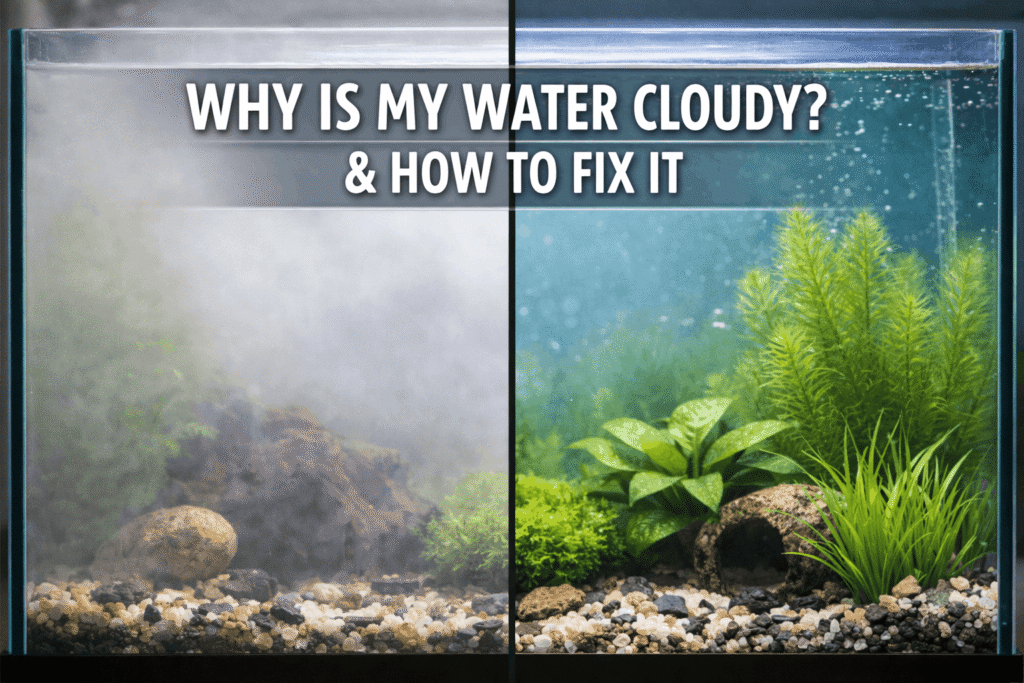
To prevent heterotrophic bacterial blooms and opportunistic pathogens such as Ichthyophthirius multifiliis, Epistylis, and Flavobacterium columnare, filtration hardware should turn over the total aquarium volume five to eight times per hour while maintaining gentle surface agitation for continuous atmospheric gas exchange. Weekly partial water changes of twenty-five to thirty-five percent using temperature-matched, dechlorinated water export accumulated nitrates, replenish depleted trace minerals, and keep dissolved organic compounds minimal.
4. Planted Tank Substrate Cation Exchange, PAR Lighting, and Carbon Balance
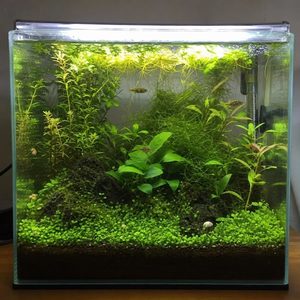
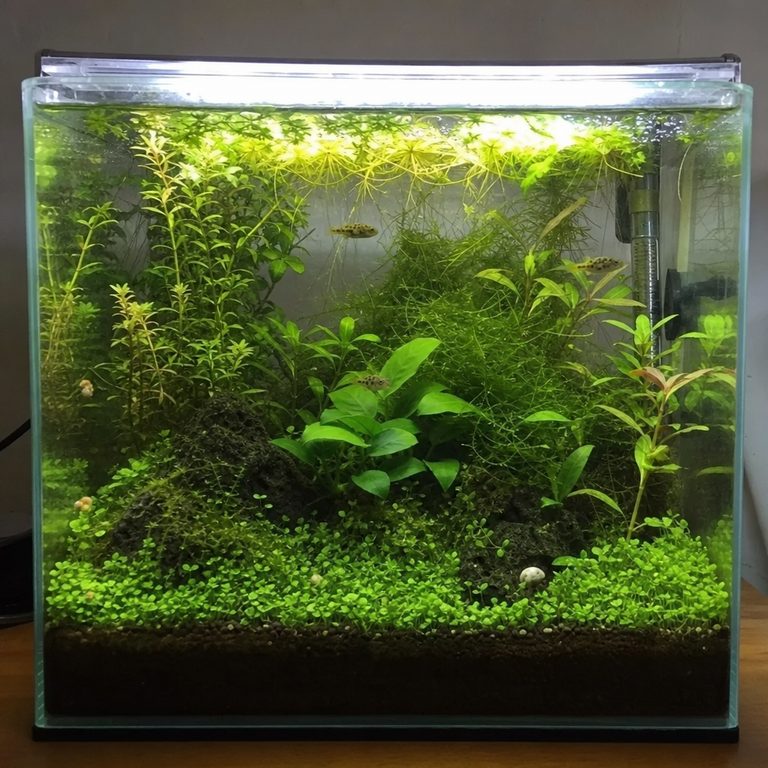
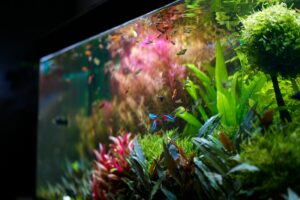
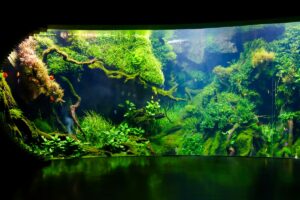
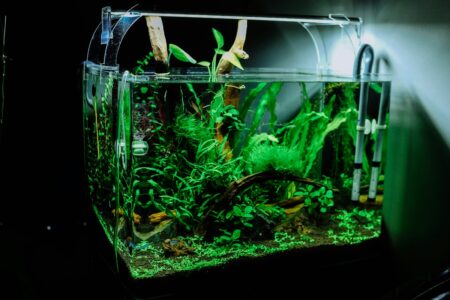
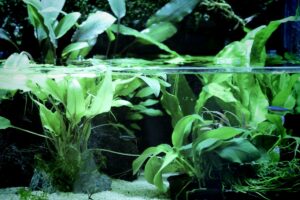
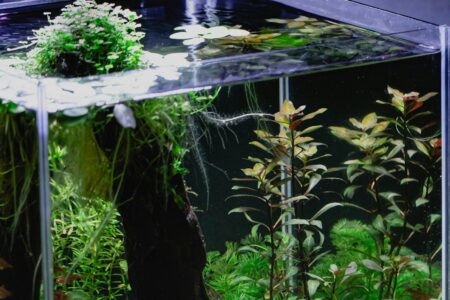
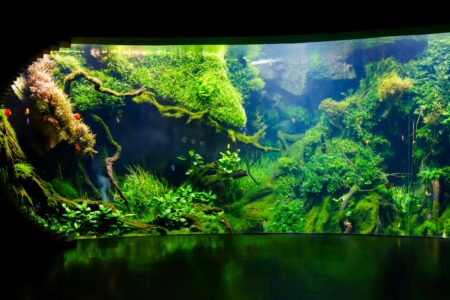
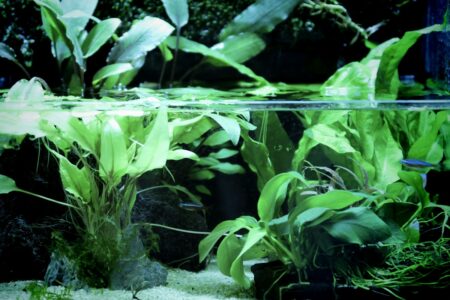
In planted freshwater aquascapes, rooted vascular hydrophytes such as Echinodorus, Cryptocoryne, and Vallisneria absorb iron, potassium, and phosphorus primarily through active root hair transport, requiring nutrient-rich or high-CEC (Cation Exchange Capacity) substrates such as calcined clay, volcanic aquasoil, or mineralized topsoil capped with inert quartz sand. Epiphytic rheophytes including Anubias barteri, Microsorum pteropus (Java fern), and Bucephalandra absorb nutrients directly from the water column via exposed rhizomes anchored to driftwood or rockwork. Balancing Photosynthetically Active Radiation (PAR between 30 and 80 micromoles per square meter per second), dissolved carbon dioxide (15 to 30 ppm in high-energy setups), and comprehensive macronutrient and micronutrient dosing ensures vigorous pearling growth that naturally outcompetes nuisance green dust, staghorn, and black brush algae.
5. Quarantine Biosecurity, Stress Reduction, and Ethical Biotope Stocking
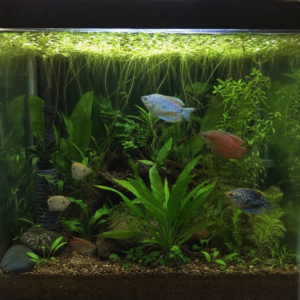
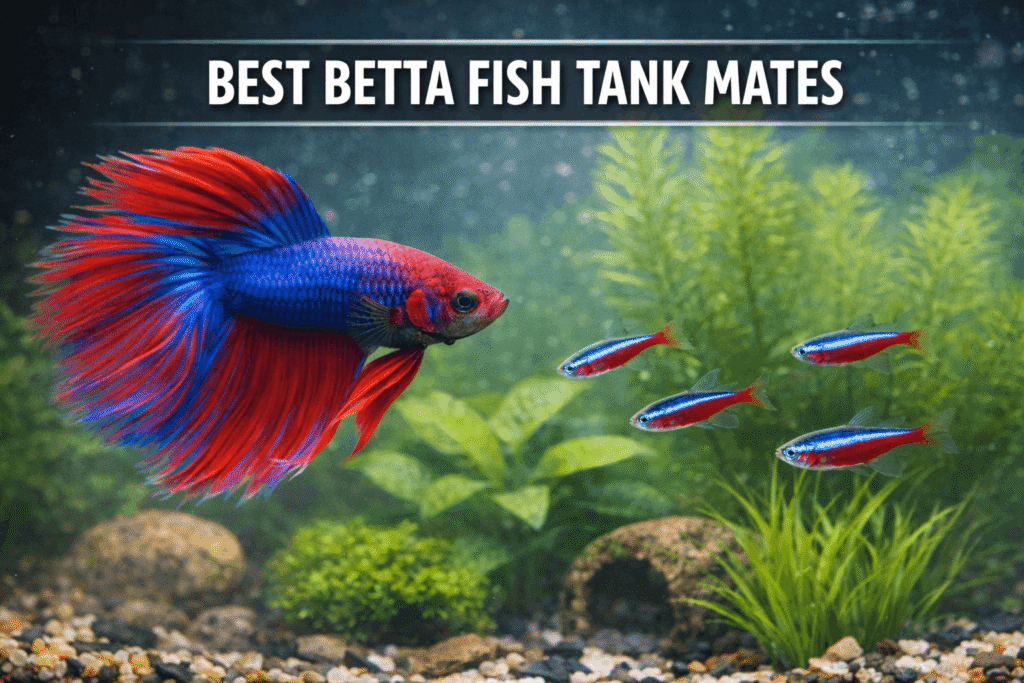
Responsible fishkeeping prioritizes preventive biosecurity over reactive medication. Every newly acquired specimen should undergo a minimum twenty-one to twenty-eight day observation period in a dedicated, cycled hospital or quarantine tank before entering an established community display. During quarantine, maintaining stable thermal parameters, dim ambient lighting, PVC or botanical hiding refuges, and high-protein probiotic diets allows the mucosal slime coat and innate immune system of the fish to recover from transport stress. When designing community stocking lists, always group obligate schooling species (such as tetras, corydoras catfishes, and danios) in conspecific shoals of eight to twelve individuals or more, match swimming-zone occupancy (surface, midwater, and benthic strata), and verify adult territorial footprints so every inhabitant exhibits natural foraging and courtship behaviors.
6. Nutritional Biochemistry, Trophic Guilds, and Water Quality Preservation
Matching daily rations to the evolved gastrointestinal morphology of your livestock prevents hepatic lipidosis, swim bladder disorders, and internal hexamitiasis. Obligate herbivores and aufwuchs grazers possess elongated intestinal tracts designed to process spirulina, blanched organic vegetables, and botanical detritus, whereas insectivores and micro-predators require marine proteins, astaxanthin-rich crustaceans, and cultured live or frozen bloodworms, daphnia, and brine shrimp. Feed only the quantity consumed within ninety to one hundred twenty seconds, remove uneaten organic matter promptly, and store dry pellets in airtight containers to preserve heat-sensitive vitamins C and E.
7. Freshwater Biotope Water Parameter Directory and Community Stocking Benchmarks
To assist hobbyists in matching compatible freshwater species with their municipal tap water or remineralized Reverse Osmosis (RO/DI) water supply, our editorial team maintains standardized water chemistry targets across the six core aquarium biotopes covered on Aquadolf:
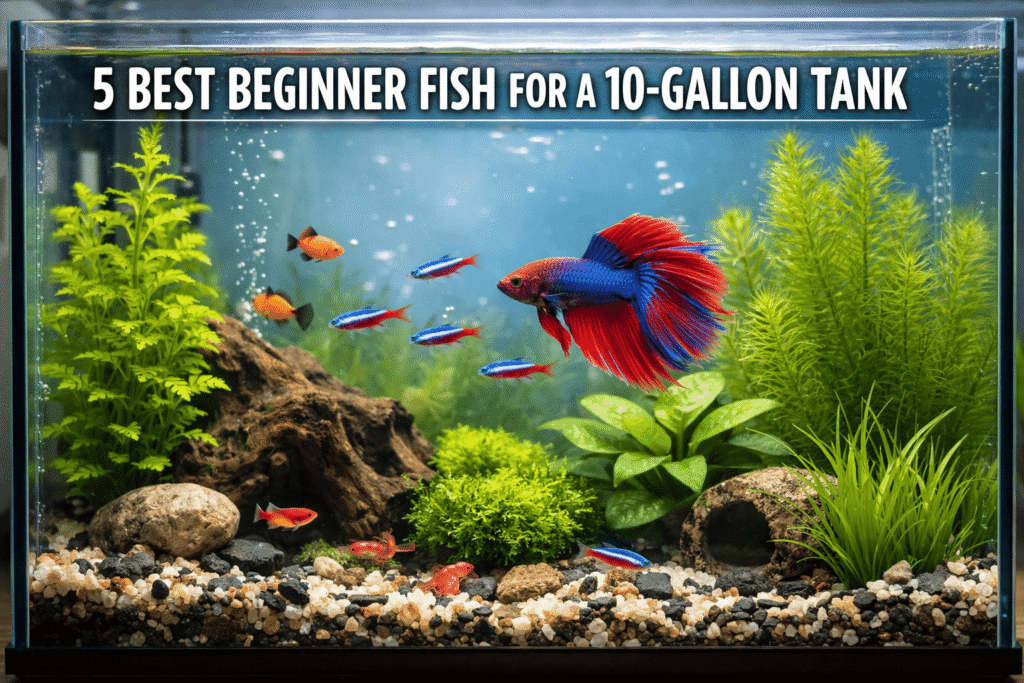
- Amazonian Blackwater and Acidic Softwater Biotopes: Target temperature 76 to 82 degrees Fahrenheit (24.5 to 28.0 degrees Celsius), pH 5.5 to 6.8, Carbonate Hardness 0.5 to 3.0 dKH, General Hardness 1.0 to 5.0 dGH, and Total Dissolved Solids 40 to 120 ppm. Ideal for Cardinal Tetras (Paracheirodon axelrodi), Rummy Nose Tetras (Hemigrammus rhodostomus), German Blue Rams (Mikrogeophagus ramirezi), Apistogramma dwarf cichlids, Otocinclus catfishes, Corydoras sterbai, and Symphysodon Discus. Enrich with Indian Almond Leaves (Terminalia catappa), alder cones, and inert quartz sand substrates.
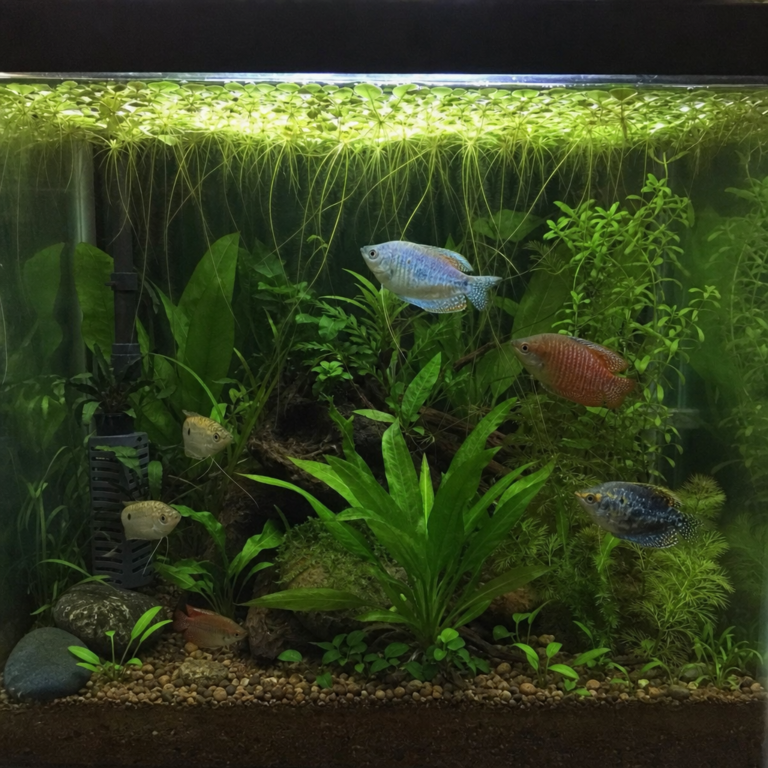
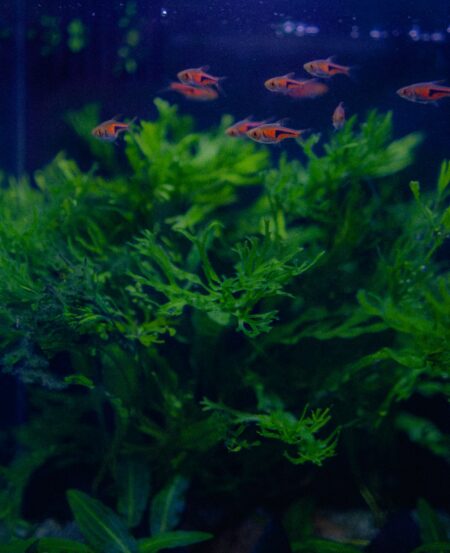
- Planted Nature Aquarium and Dutch High-Tech Biotopes: Target temperature 72 to 77 degrees Fahrenheit (22.0 to 25.0 degrees Celsius), pH 6.4 to 7.0, Carbonate Hardness 2.0 to 5.0 dKH, General Hardness 4.0 to 8.0 dGH, pressurized carbon dioxide injection at 25 to 30 ppm, and broadband LED lighting delivering 50 to 90 micromoles PAR at the substrate plane. Ideal for Caridina japonica (Amano shrimp), Harlequin Rasboras, Celestial Pearl Danios, Chili Rasboras, and Boesemani Rainbowfish alongside stem plants, epiphytes, and carpeting flora.
- Central American and Hardwater Livebearer Systems: Target temperature 74 to 79 degrees Fahrenheit (23.5 to 26.0 degrees Celsius), pH 7.2 to 8.2, Carbonate Hardness 6.0 to 12.0 dKH, and General Hardness 10.0 to 18.0 dGH. Essential for Fancy Guppies (Poecilia reticulata), Endlers, Mollies, Platies, Swordtails, and Florida Flagfish, which require abundant divalent calcium and magnesium ions for osmoregulation and healthy fry gestation.
- East African Rift Valley Cichlid Biotopes (Lake Malawi and Lake Tanganyika): Target temperature 76 to 80 degrees Fahrenheit (24.5 to 26.5 degrees Celsius), alkaline pH 7.8 to 8.6, Carbonate Hardness 10.0 to 16.0 dKH, and General Hardness 12.0 to 20.0 dGH buffered with aragonite sand, crushed coral, or limestone rockwork. Designed for Mbuna, Peacock cichlids (Aulonocara), Cyphotilapia frontosa, and shell-dwelling Tanganyikan cichlids.
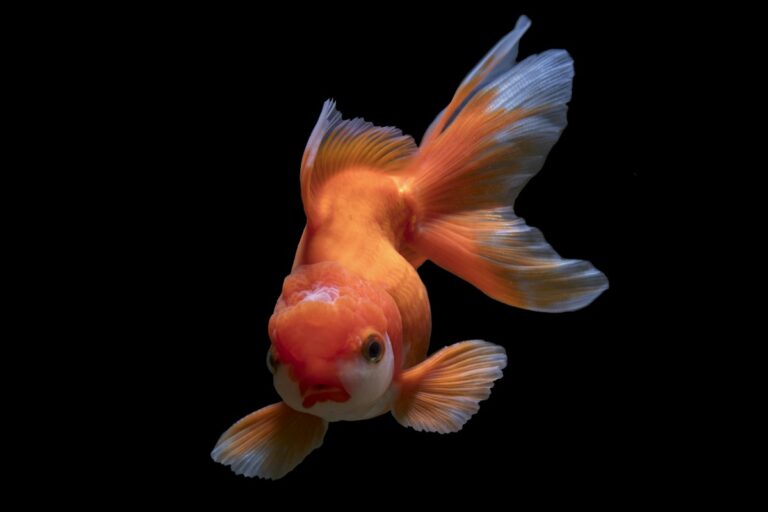
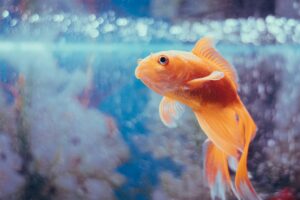
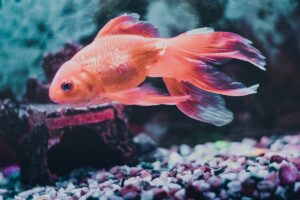
- Temperate and Subtropical Coldwater Aquariums: Target temperature 64 to 72 degrees Fahrenheit (18.0 to 22.0 degrees Celsius), pH 7.0 to 7.8, Carbonate Hardness 4.0 to 8.0 dKH, and high dissolved oxygen saturation (>7.5 mg/L) supported by oversized canister and sponge filtration. Suitable for Fancy Goldfish (Oranda, Ranchu, Ryukin), White Cloud Mountain Minnows, Hillstream Loaches, and Medaka Ricefish.
- Nano Invertebrate and Botanical Shrimp Sanctuaries: Target temperature 68 to 74 degrees Fahrenheit (20.0 to 23.5 degrees Celsius), zero copper toxicity, sponge-protected filter intakes, and matured biofilm surfaces. Neocaridina davidi (Cherry shrimp) thrive at pH 6.8 to 7.6, 3.0 to 6.0 dKH, and 6.0 to 10.0 dGH, whereas Taiwan Bee and Crystal Red Caridina cantonenis require active buffering soil at pH 5.8 to 6.4, 0.0 to 1.0 dKH, and 4.0 to 6.0 dGH.
Use the category navigation links at the top of this page or explore our latest peer-reviewed guides above to access detailed equipment checklists, step-by-step nitrogen cycling schedules, and species-specific veterinary care manuals.