


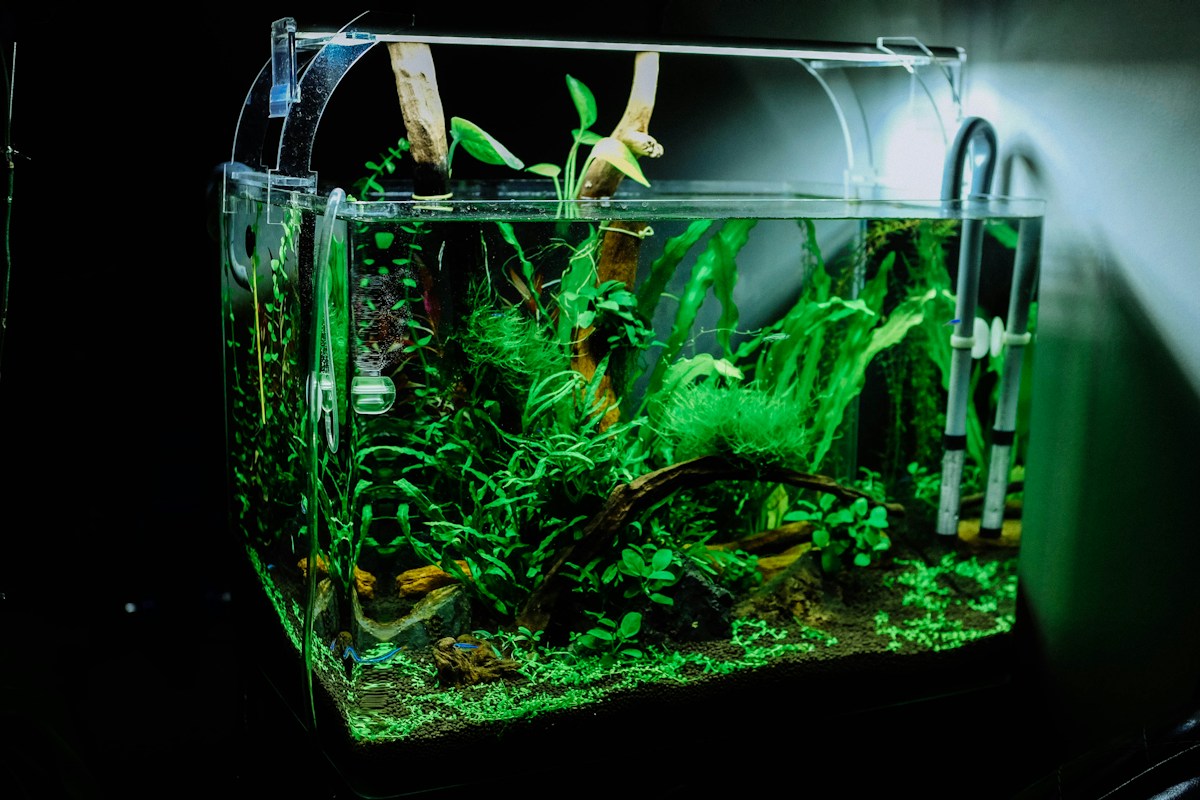
Water is exceptionally dense, exerting 8.34 pounds of physical mass per gallon against the interior vertical walls and base seams of an aquarium. In large display vessels holding fifty, one hundred, or three hundred gallons, the cumulative hydrostatic pressure exerted on structural glass panels and silicone bonding matrices measures in hundreds to thousands of pounds. A structural failure is not merely a hobby setback; it represents an instantaneous catastrophic flood capable of destroying residential flooring, sub-structures, and livestock.
Modern aquascaping trends have popularized frameless, rimless aquariums crafted from ultra-clear low-iron glass. While aesthetically stunning, rimless designs eliminate traditional plastic top rims, structural center braces, and bottom corner frames that historically reinforced aquariums against catastrophic panel deflection and catastrophic seam shear forces.
Ensuring absolute structural integrity requires an engineering approach to glass panel thickness calculations, hydrostatic shear stress, silicone tensile strength ratings, and foundational stand leveling physics. Aquarists who compromise on glass safety factors or assemble tanks upon uneven surfaces invite catastrophic seam blowouts.
By mastering the engineering principles behind glass deflection limits, premium structural acetic-cure silicone adhesives, elastic leveling foam mats, and multi-point weight distribution stands, fishkeepers can construct and operate magnificent display aquariums with complete structural confidence.
Hydrostatic Fluid Pressure and Glass Deflection Physics
Hydrostatic pressure exerted at any point within an aquarium depends exclusively on fluid density and water column height, completely independent of the total tank length or width. The pressure at the bottom of an 18-inch tall tank is identical whether the aquarium holds twenty gallons or two hundred gallons.
However, total bending moment (deflection stress) on a vertical glass panel increases exponentially with both height and unsupported span length. When an aquarium is filled, the interior water pressure pushes outward, causing the center of the vertical front and rear glass panes to bow slightly. In framed aquariums, rigid upper plastic braces physically restrain this outward bowing. In rimless tanks, the glass pane itself must resist the entire bending load through pure material thickness and rigidity.
Engineering standards developed by structural glazing authorities dictate that aquariums must incorporate a minimum safety factor of 2.5 to 3.8. The safety factor represents the ratio of ultimate glass tensile strength to maximum operating hydrostatic stress. Rimless aquariums require significantly thicker glass (e.g., 10 mm to 15 mm) compared to braced tanks of identical dimensions (which might safely utilize 6 mm to 8 mm glass) to guarantee that pane deflection remains within microscopic elastic thresholds.
Standard Soda-Lime Float vs Low-Iron Optiwhite Glass
Standard architectural float glass contains natural iron oxide impurities that produce a distinct greenish tint visible when looking through the panel edge or through thick water columns. Low-iron glass (often marketed as Optiwhite, Starphire, or Diamant) undergoes chemical purification during the float melt to strip iron content down to negligible levels.
Low-iron glass delivers unmatched optical clarity and ninety-nine percent color fidelity, allowing the true colors of fish, plants, and hardscape to shine through without greenish color cast. However, hobbyists must note that low-iron glass possesses identical structural tensile strength to standard float glass, but has a slightly lower surface hardness, rendering it somewhat more susceptible to accidental scratches from substrate sand grains during algae scraping.
Structural Silicone Chemistry: Tensile Strength and Acetoxy Curing
The entire structural integrity of a rimless aquarium rests upon four vertical and four bottom silicone joints. Aquarium silicone is not a simple sealant; it is a high-performance structural elastomeric adhesive formulated to withstand perpetual immersion, dynamic shear stress, and water-column vibrations.
Aquarium construction demands 100 percent pure silicone containing zero antimicrobial fungicides, mold inhibitors, or petroleum distillates (which are fatal to fish and invertebrates). Industrial structural silicones, such as Momentive RTV108 or Dow Corning 999A, feature high tensile modulus ratings exceeding 300 to 400 PSI and elongation limits over 400 percent.
During the curing process, acetoxy-cure silicones absorb moisture from atmospheric air, releasing acetic acid vapor (giving off a pungent vinegar aroma) while cross-linking into a resilient, rubbery silicone-oxygen (-O$) polymer backbone. Full structural cure requires a minimum of seven to fourteen days depending on bead thickness and ambient humidity. Moving or water-testing an aquarium before silicone reaches maximum cross-linking tensile strength permanently weakens the joint, guaranteeing future seam failure.
Stand Engineering and Foundational Leveling Physics
The most common cause of spontaneous glass cracking is not manufacturing defect, but torsional stress induced by an unlevel or flexing aquarium stand. When an aquarium stand possesses even a 1/16th inch twist across its top perimeter, the rigid glass box cannot conform to the warped surface.
Instead, the entire weight of the water column concentrates onto two diagonal corner points rather than distributing evenly across the perimeter. This localized torsional shear stress generates microscopic tension fractures that propagate through the glass pane over weeks or months until catastrophic failure occurs.
Aquarium stands must be built using heavy-gauge welded steel tubing or rigid dimensional lumber reinforced with structural corner gussets and thick plywood decking. The top surface must be verified using a precision machinist spirit level along all four axes before the aquarium is placed.
The Critical Role of High-Density Leveling Mats
Frameless rimless aquariums must never be placed directly onto hard wooden, metal, or stone surfaces. Any microscopic imperfection, such as a rogue sand grain, screw head, or wood knot, creates an intense pressure focal point directly against the bottom glass pane, creating a stress riser that will crack the base pane under water weight.
Rimless tanks must always be installed atop a 5 mm to 8 mm high-density closed-cell ethylene-vinyl acetate (EVA) or neoprene foam leveling mat. Under water load, the elastic foam compresses slightly, absorbing minor surface micro-imperfections and establishing an even, distributed pressure plane across the entire bottom pane.
Conversely, commercially framed aquariums featuring bottom plastic perimeter rims should never use foam leveling mats. Framed tanks are engineered to support their load entirely along the plastic perimeter rim, with the bottom glass floating safely above the stand. Placing foam under a framed tank pushes upward against the floating glass pane, risking catastrophic bottom blowout.
Calculating proper glass thickness and structural reinforcement ensures safe aquarium operation. The matrix below outlines safety parameters across common aquarium dimensions.
Aquarium Structural Engineering and Glass Thickness Matrix
| Tank Dimensions (L x W x H) | Volume | Rimless Glass Thickness | Framed Glass Thickness | Structural Safety Factor |
|---|---|---|---|---|
| 24″ x 12″ x 14″ (Standard 20G) | 20 Gallons | 6 mm Low-Iron | 5 mm Float Glass | 3.8 (Ultra Safe) |
| 36″ x 18″ x 18″ (Standard 50G) | 50 Gallons | 10 mm Low-Iron | 6 mm Float with Rim | 3.2 (Optimal) |
| 48″ x 18″ x 21″ (Standard 75G) | 75 Gallons | 12 mm Low-Iron | 8 mm with Center Brace | 2.9 (Engineered Standard) |
| 48″ x 24″ x 24″ (Standard 120G) | 120 Gallons | 15 mm Low-Iron | 10 mm with Dual Braces | 2.8 (High Load Certified) |
| 72″ x 24″ x 25″ (Standard 180G) | 180 Gallons | 19 mm Low-Iron (Euro-Braced) | 12 mm with Euro-Braces | 2.7 (Commercial Spec) |
Implementing proper structural specifications guarantees peaceful fishkeeping free of water leakage hazards. Review the essential operational inquiries below.
Frequently Asked Questions About Aquarium Structural Safety and Silicone
Why do rimless aquariums require significantly thicker glass than framed tanks?
Framed aquariums have top plastic rims and center braces that physically hold the top glass edges together. Rimless aquariums have no upper support, meaning the glass pane itself must be much thicker to resist bowing and deflection under hydrostatic water pressure.
Can bathroom or kitchen silicone be used to reseal an aquarium?
Never. Bathroom and kitchen silicones contain chemical fungicides, mold inhibitors, and anti-mildew additives that leach toxic compounds into the water, rapidly poisoning fish and aquatic invertebrates.
What is the minimum curing time for structural aquarium silicone?
Aquarium silicone requires a minimum of seven to ten days to reach full cross-linking and tensile strength. For thick glass joints over 12 mm or large vessels, curing should extend to 14 full days before water testing.
Why should you use a foam leveling mat under rimless tanks?
Rimless tanks have flat glass bottoms resting directly on the stand. A high-density foam mat absorbs minute imperfections, rough spots, or debris on the stand surface, preventing severe pressure focal points that crack glass panes.
Should you put a foam mat under a standard plastic-rimmed framed aquarium?
No. Plastic-rimmed tanks are engineered to rest solely on their outer plastic perimeter frame while the bottom glass panel floats suspended. Adding foam pushes upward against the floating bottom glass, creating dangerous upward stress.
How can you tell if an aquarium silicone seam is beginning to fail?
Warning signs include cloudy discoloration in the clear silicone bead, visible air bubbles or delamination creep between the glass-to-glass contact zone, and peeling inner fillet edges.
What causes spontaneous glass breakage in aquariums?
Spontaneous breakage almost always stems from torsional twisting caused by an unlevel stand. If the stand is twisted, the weight of the water creates intense shear stress across diagonal corners until the glass fractures.
Can new silicone bond to cured old silicone?
No. New silicone will not chemically bond to cured old silicone. When repairing a leaky seam, all old silicone must be completely scraped away down to bare glass with razor blades and wiped clean with pure acetone before applying new silicone.
Is low-iron Optiwhite glass weaker than standard green float glass?
No, low-iron glass has the exact same structural tensile strength and flexibility as standard float glass. The only physical difference is higher optical clarity and a slightly softer surface that is slightly more prone to abrasive scratching.
Strategic Conclusion and Structural Integrity Principles
Long-term peace of mind in fishkeeping begins with structural integrity. Whether cultivating a delicate 20-gallon aquascape or maintaining a monolithic 180-gallon display biotope, understanding glass deflection thresholds, silicone elastomeric chemistry, and precise stand leveling protects your investment and aquatic life. Investing in correct glass thickness and unyielding foundation engineering guarantees that your aquatic sanctuary remains structurally secure for decades to come.
For more detailed engineering data on aquatic construction and structural standards, consult academic publications from the Food and Agriculture Organization Aquaculture Division, biotope guidelines from the Aquatic Gardeners Association, and limnological resources at the University of Florida IFAS.