


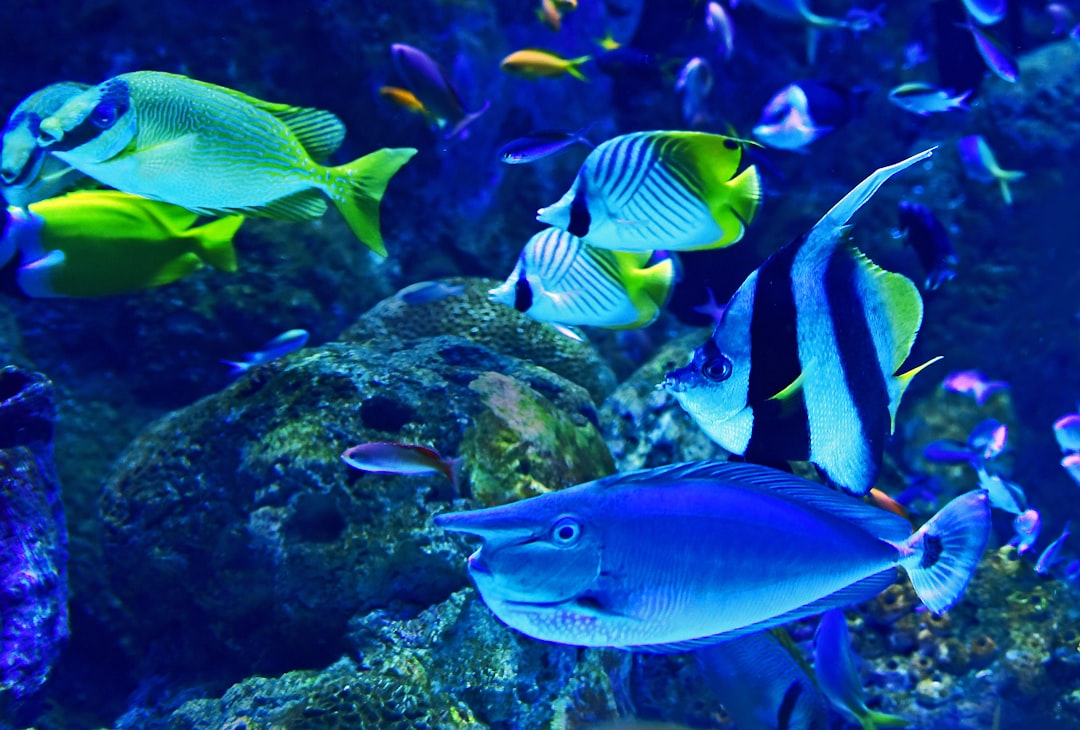
The vibrant ecosystem of a home aquarium relies heavily on daily maintenance routines, with nutritional management standing out as the single most critical factor for long-term aquatic health. Managing a thriving aquatic habitat requires a deep understanding of nutritional science, biological filtration capacities, and species-specific dietary requirements. Developing an effective aquarium feeding guide for healthy fish ensures that every inhabitant—from top-dwelling surface feeders to bottom-dwelling scavengers—receives the precise balance of proteins, lipids, vitamins, and minerals necessary for optimal biological function. Neglecting these precise nutritional variables often leads to compromised immune systems, stunted growth, water quality degradation, and premature mortality in captive aquatic species.
Understanding Nutritional Requirements of Aquatic Species
Aquatic organisms exhibit diverse anatomical and physiological adaptations that dictate how they process nutrients. Herbivorous species, such as African cichlids from rocky lake habitats or silver dollars, possess long, coiled digestive tracts designed to break down tough plant matter and algae. Conversely, carnivorous species like freshwater angelfish, discus, and marine groupers feature short intestinal tracts optimized for rapidly digesting high-protein meals derived from insects, crustaceans, or other fish. Omnivores represent the middle ground, requiring a balanced matrix of both plant- and animal-based ingredients to sustain their biological systems.
Commercial diets must be selected based on these specific physiological traits rather than general convenience. High-quality flake foods, slow-sinking micro-pellets, and freeze-dried preparations form the baseline of modern captive nutrition. Protein concentrations should range between forty and fifty percent for active carnivores, while herbivores thrive on formulations rich in spirulina, kelp, and vegetable matter. Lipids provide essential fatty acids and concentrated energy, though excessive fat levels can lead to dangerous hepatic lipidosis, commonly known as fatty liver disease, in sedentary species.
Establishing Proper Feeding Schedules and Portion Control
Overfeeding remains the most prevalent error made by aquarium hobbyists, directly threatening water quality and fish longevity. Unlike mammals, most fish are ectothermic and lack sophisticated physiological mechanisms to regulate their metabolisms based on environmental temperature alone; therefore, their caloric requirements are significantly lower than commonly perceived. Standard industry protocol dictates feeding tropical fish no more than they can completely consume within two to three minutes, once or twice daily. Any uneaten material that settles to the substrate begins to decompose, releasing ammonia and nitrites that overwhelm biological filtration systems.
Juvenile specimens require frequent, small meals throughout the day to support rapid skeletal and muscular development. Adult fish, however, benefit from occasional fasting periods—such as skipping one day per week—which allows the digestive tract to clear and mimics natural foraging cycles in the wild where food availability fluctuates. Implementing automated digital feeders can maintain strict scheduling consistency, preventing erratic portion delivery during vacations or busy professional workweeks.
Comparative Analysis of Aquatic Diets
| Diet Type | Primary Ingredients | Target Species | Nutritional Benefits | Potential Drawbacks |
|---|---|---|---|---|
| Flake Food | Fish meal, wheat flour, vitamins | General community fish | Highly accessible, vitamin-fortified | Loses nutrients quickly upon water contact |
| Sinking Pellets | Krill meal, spirulina, fish oil | Bottom-dwellers, cichlids | Controlled dissolution, dense nutrients | Can choke smaller fish if sized incorrectly |
| Frozen Foods | Bloodworms, brine shrimp, daphnia | Carnivores, picky eaters | Exceptional palatability, high moisture | Risk of introducing pathogens if unverified |
| Live Foods | Artemia nauplii, blackworms | Breeding pairs, wild-caught species | Triggers natural predatory instincts | Potential parasite transmission vector |
The Role of Variety in Captive Diets
Relying on a single staple flake or pellet throughout an animal’s lifespan often results in micro-nutrient deficiencies, faded coloration, and lowered disease resistance. A diversified menu introduces varying textures, biochemical compounds, and trace elements that stimulate natural foraging behaviors. Incorporating freeze-dried tubifex worms, blanched vegetables like zucchini or spinach, and vitamin-soaked preparations ensures comprehensive nutritional coverage.
Vegetable matter requires careful preparation before introduction into the display tank. Boiling or blanching leafy greens softens tough cellular walls, making it easier for herbivorous fish to digest the material. Removing uneaten plant matter after a few hours prevents organic decay and subsequent bacterial blooms. Similarly, frozen foods must be thoroughly thawed and rinsed in a fine-mesh sieve before feeding to eliminate excess organic phosphates and unpalatable packing liquids that contribute to nuisance algae outbreaks.
Addressing Dietary Challenges for Special Populations
Certain aquatic environments house specialized species with unique feeding behaviors that complicate standard feeding protocols. Nocturnal bottom-dwellers, such as certain catfish species and loaches, often miss out on food distributed during daytime hours because faster surface-dwelling schooling fish consume everything before it sinks. Utilizing dense, fast-sinking sinking tablets dropped into the tank after the primary display lights have dimmed ensures that these timid bottom-feeders receive adequate nutrition without aggressive competition.
Fry, or newly hatched fish, present another distinct challenge due to their microscopic mouth gapes and high metabolic rates. Standard crushed flakes are entirely unsuitable for early-stage development. Instead, aquarists must cultivate infusoria, feed newly hatched brine shrimp nauplii, or utilize specialized liquid fry foods suspended in the water column. Gradual transitioning to larger micro-pellets occurs only as the anatomical development of the juvenile fish permits.
Frequently Asked Questions
How can I tell if my fish are being overfed?
Visible indicators of overfeeding include cloudy water, excessive accumulation of detritus on the substrate, persistent outbreaks of hair or green spot algae, and fish exhibiting sluggish behavior or abdominal bloating. Furthermore, water parameter testing will often reveal rising nitrate levels despite regular water change routines.
Is it safe to feed fish live foods from the wild?
Harvesting live organisms from local ponds or streams carries a high risk of introducing dangerous parasites, industrial pollutants, or harmful bacteria into a closed aquarium ecosystem. Culturing live foods in controlled domestic environments or purchasing commercially packaged live and frozen options provides a much safer alternative.
What should I do if a new fish refuses to eat commercial food?
Wild-caught specimens or newly imported species frequently reject manufactured pellets initially due to unfamiliarity. Encouraging feeding can be achieved by soaking preferred foods in garlic extract to stimulate olfactory senses, introducing live brine shrimp to trigger predatory responses, or dimming the aquarium lights to reduce stress.
How do I properly store fish food to preserve nutrients?
Aquarium diets degrade rapidly when exposed to heat, light, and humidity. Flake and pellet containers should be tightly sealed immediately after use and stored in a cool, dark, dry environment. Purchasing smaller container sizes that can be consumed within one to two months ensures maximum vitamin potency.
Conclusion
Mastering the dietary management of an aquatic ecosystem is an ongoing discipline that directly dictates the health, coloration, and vitality of captive aquatic life. By aligning nutritional strategies with the specific biological and physiological profiles of individual species, aquarists can replicate natural conditions within a controlled glass enclosure. Avoiding common pitfalls such as overfeeding, relying on monotonous staple diets, and failing to account for nocturnal or specialized feeders safeguards both water quality and biological longevity. Through careful portion control, dietary diversification, and rigorous observation, maintaining a thriving, balanced aquatic environment remains an achievable objective for dedicated enthusiasts and professional aquarists alike.
Featured Image Credit: Generated/Sourced via Unsplash.
Disclaimer: This article is AI-generated for informational and educational purposes. While we strive to provide high-quality context and authority, the content should not be used as professional advice. The author/website assumes no liability for external links or factual omissions.