




Caring for Your Pygmy Puffer Fish
A pygmy puffer fish is small, alert, and full of personality, but it is not a “drop it in any nano tank” kind of pet. Good pygmy puffer care depends on stable freshwater conditions, a heavily planted layout, a carnivorous diet, and realistic expectations about aggression. If you set up the tank around the fish’s needs rather than trying to squeeze it into a peaceful community, you are far more likely to enjoy its curious behavior and long-term health.
What does a pygmy puffer need to thrive?
A pygmy puffer needs a clean, mature freshwater aquarium with stable water parameters, dense cover, gentle but effective filtration, and a diet built around small meaty foods. These fish are intelligent, territorial, and active hunters, so their environment should give them places to explore, break line of sight, and feed naturally. The best approach to pygmy puffer fish care is to think less like a decorator and more like a habitat designer.
Pygmy puffers are often called dwarf puffers or pea puffers, and their tiny size can be misleading. A single fish may be small enough for a modest aquarium, but its behavior can be bold, bossy, and surprisingly demanding. They notice movement, investigate surfaces, stalk food, and may claim areas of the tank as their own.
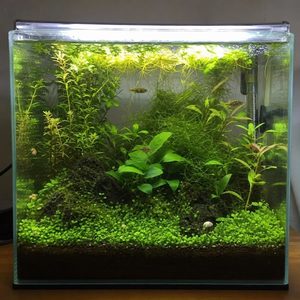
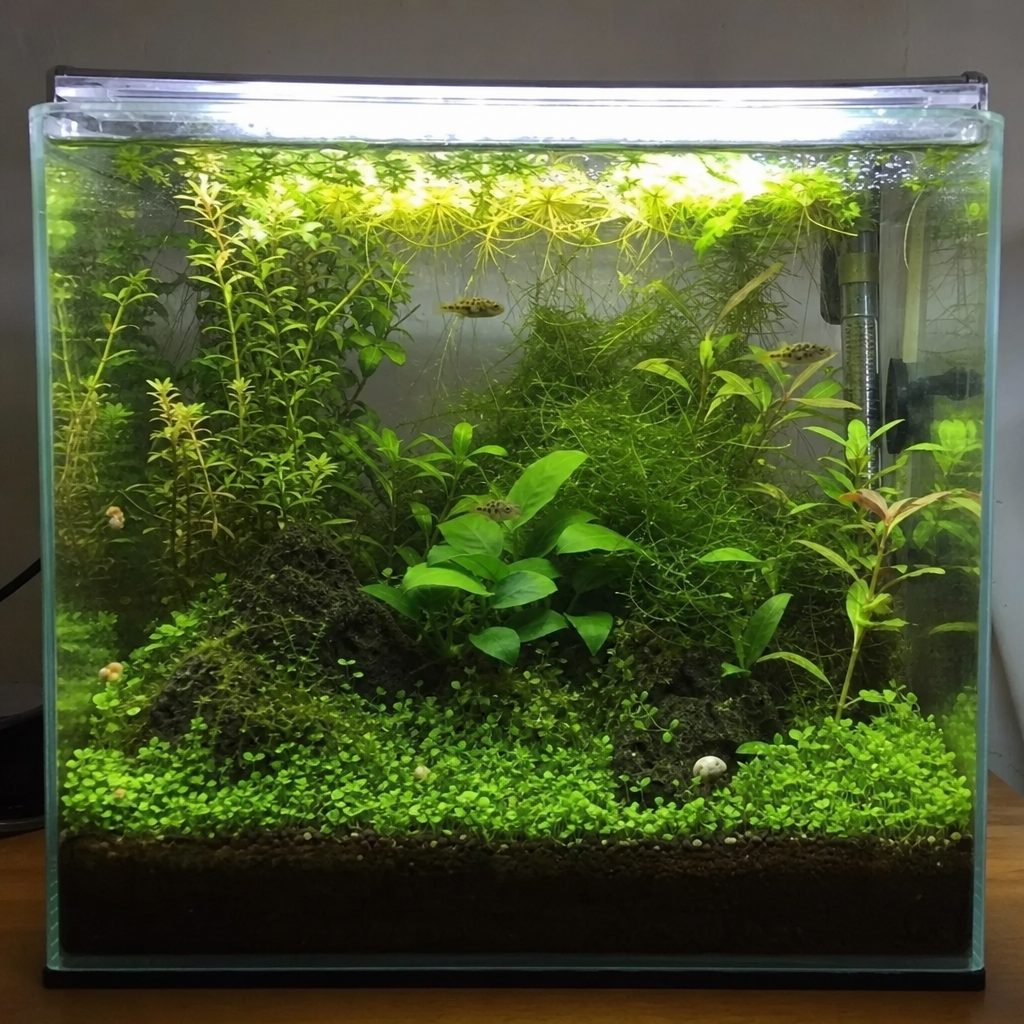
A good setup balances swimming space with cover. Open areas let the fish hunt and display natural movement, while plants, roots, moss, and caves help reduce constant visual contact. That matters because pygmy puffers do not always tolerate each other peacefully, especially when the tank is bare or cramped.
Tank size, layout, and water conditions matter
For one pygmy puffer, many keepers start with a minimum range of about 5 to 10 gallons, while small groups are better suited to larger aquariums in the 10 to 30+ gallon range. More water volume gives you two major benefits: better stability and more room to create separate territories. In practice, a larger planted tank is often easier to manage than a tiny one because small changes in waste, temperature, or feeding can affect a nano aquarium quickly.
Aim for a mature, cycled tank before adding a pygmy puffer fish. These fish do best when ammonia and nitrite are not present and nitrate is controlled through maintenance, plants, and sensible feeding. Because they eat protein-rich foods, waste can build quickly if uneaten food is ignored.
A practical setup includes:
- Dense live or silk plants: Java moss, floating plants, stem plants, and broad-leaf plants all help create shelter and visual barriers.
- Hardscape with purpose: Driftwood, smooth stones, coconut hides, and small caves can divide the tank into zones.
- Gentle filtration: Use filtration strong enough to maintain water quality but not so forceful that the fish must constantly fight the current.
- A secure lid: Curious fish and startled fish can jump, especially during maintenance.
- Low-stress lighting: Bright lighting can work in planted tanks, but shaded areas help puffers feel secure.
Common water targets for pygmy puffer care are a temperature range of about 72–82°F, pH around 6.0–7.5, and soft to moderately hard water. The exact number matters less than consistency, provided the water stays within a suitable range. Sudden swings are more stressful than a stable tank that is slightly imperfect.
Weekly water changes are usually a smart habit, especially in smaller aquariums. Test the water regularly, remove uneaten food, and rinse filter media only in dechlorinated aquarium water so you do not damage beneficial bacteria. Clean water will not solve every behavior problem, but poor water quality can make aggression, appetite issues, and illness worse.
Feeding pygmy puffers the right way
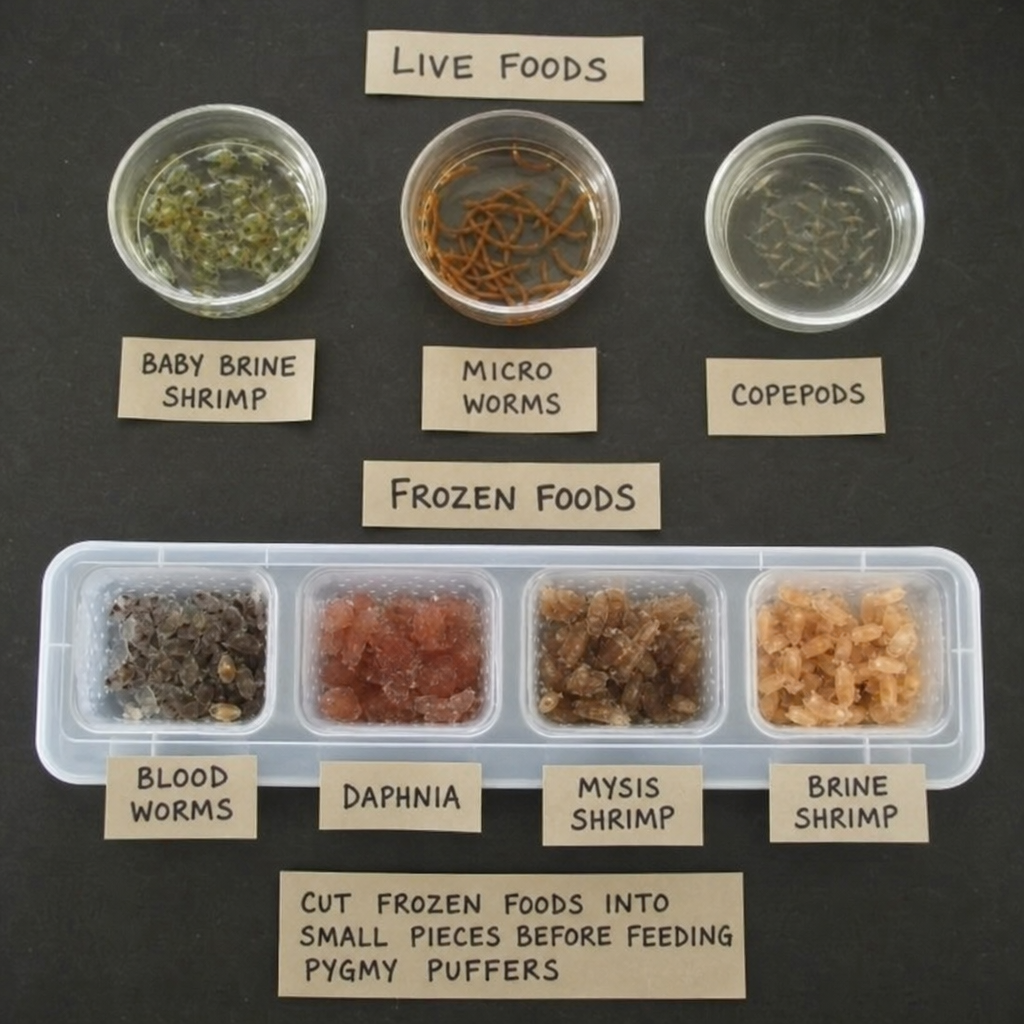
Pygmy puffers are carnivores, and pygmy puffer food should be small, protein-rich, and varied. Many individuals ignore flakes and pellets, so live and frozen foods are usually the foundation of a healthy feeding routine. Suitable options include daphnia, moina, bloodworms, scuds, blackworms where available, and small snails.
Snails deserve special attention. Puffers have beak-like dental plates that benefit from natural wear, and small snails encourage hunting while helping keep those mouthparts in use. However, snails should be appropriately sized; a puffer should be able to attack and eat them without struggling with a shell that is too large.
A varied diet helps reduce nutritional gaps and keeps the fish engaged. Feeding the same rich food every day can lead to poor balance or messy water, while rotating foods encourages more natural behavior. If using frozen foods, thaw a small amount first and offer only what the fish will eat within a short feeding window.
A simple feeding rhythm can look like this:
- Offer small portions once or twice daily, depending on the fish’s condition and the tank’s water quality.
- Rotate foods through the week, mixing live or frozen prey such as daphnia, bloodworms, and small crustaceans.
- Add small snails regularly, especially if your puffer accepts them readily.
- Watch the belly, not just the clock, because a gently rounded belly after feeding is normal, while constant bloating is not.
- Remove leftovers, since meaty foods can foul the water quickly.
New puffers sometimes refuse unfamiliar foods. If that happens, start with moving foods such as live daphnia or small snails, then gradually introduce frozen foods using feeding tongs or a pipette. Movement often triggers their hunting response. Patience is important; forcing dry foods as the main diet usually leads to frustration for the keeper and poor results for the fish.
Can pygmy puffers live with tank mates?
Pygmy puffers can sometimes live with carefully chosen tank mates, but a species-only setup is usually the safest recommendation. Their territorial nature, sharp bite, and tendency to nip fins make many common community fish poor companions. When people search for pygmy puffer tank mates or pygmy puffer fish tankmates, the honest answer is that compatibility depends on tank size, layout, individual temperament, and your willingness to intervene.
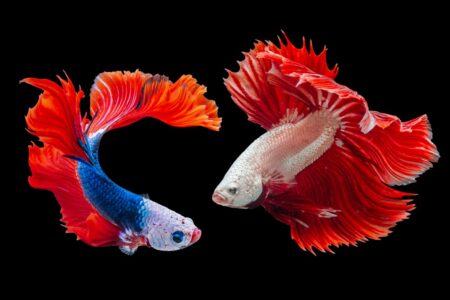
Avoid slow-moving fish, long-finned fish, and delicate species that cannot escape attention. Bettas, fancy guppies, and other flowing-finned fish are risky choices because they may be harassed or nipped. Shrimp are also unsafe in many cases; even if adults survive for a while, smaller shrimp and shrimplets may become food.
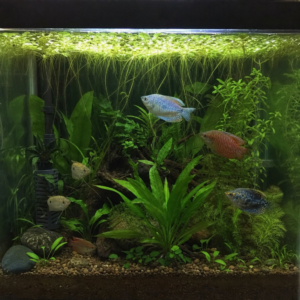
Some keepers have limited success with fast, small, peaceful fish in larger planted aquariums, but this should be treated as a cautious experiment rather than a guarantee. The tank must provide hiding places, separate zones, and enough space for every animal to avoid constant contact. Even then, a pygmy puffer that behaves well for weeks may become aggressive later.
If you want the best odds, plan the aquarium around puffers first. That means accepting that the “tank mate” may be plants, snails intended as food, and other pygmy puffers only when the setup supports a group. A species-only tank is not boring; these fish are active enough to carry the display on their own.
Managing aggression in groups
Keeping more than one pygmy puffer can be rewarding, but it requires planning. Males may fight, especially in confined tanks or layouts without enough cover. Groups often work better when there are more females than males, because this can reduce pressure on individual fish and lower the chance of repeated conflict.
Sexing can be difficult when fish are young, so avoid buying a group for a tiny tank and hoping they sort it out. A larger aquarium gives you more flexibility if one fish becomes dominant. Dense planting, moss clumps, driftwood branches, and visual breaks help each puffer disappear from view when it wants space.
Watch for these warning signs:
- Repeated chasing that does not stop after feeding or exploration
- One fish hiding constantly or staying near the surface
- Torn fins, bite marks, or missing scales
- A puffer that cannot reach food because others drive it away
- Dark stress coloration, clamped fins, or unusual stillness
If aggression becomes serious, rearrange the hardscape to break established territories. Add more cover, feed in multiple spots, and monitor whether the weaker fish recovers confidence. In some cases, separation is the only responsible solution.
Enrichment can also help. Pygmy puffers are curious, and a plain tank gives them fewer outlets for natural behavior. Rotate leaf litter, add new mossy areas, use feeding dishes, or release live foods in different parts of the aquarium so the fish must search rather than simply wait at the front glass.
Daily and weekly care routines keep problems small
Good pygmy puffer fish care is built on observation. These fish are expressive, and small changes in appetite, posture, or behavior often tell you when something is off. A puffer that rushes to the front, hunts actively, and explores the tank is usually giving you useful reassurance.
Daily care does not have to be complicated. Check that the filter is running, the temperature is steady, and every fish appears alert. During feeding, make sure each puffer gets food, especially in a group where a dominant fish may control the best feeding area.
Weekly care should be more deliberate. Test water when the tank is new, after changes, or any time behavior seems unusual. Perform regular partial water changes, trim plants if they block all swimming space, and gently remove debris from areas where frozen food tends to settle.
Use this quick maintenance checklist:
- Confirm temperature and equipment are stable.
- Test ammonia, nitrite, and nitrate as needed.
- Change water before waste becomes a problem, not after fish look stressed.
- Remove uneaten food after feeding.
- Inspect fins and bodies for nips or injuries.
- Keep plants dense but not so overgrown that you cannot observe the fish.
- Maintain a small snail culture if your puffers eat snails regularly.
Because pygmy puffers are small, it is easy to overfeed them and hard to notice gradual water decline until behavior changes. The goal is steady, boring maintenance. Exciting water chemistry is rarely good news.
Common pygmy puffer problems and practical fixes
Many care issues come from three sources: poor water stability, unsuitable feeding, or social stress. When something seems wrong, look at those areas first before reaching for complicated explanations. A simple, careful review often reveals the cause.
If your puffer refuses food, try live prey, smaller portions, or a different feeding location. Newly added fish may need time to settle, especially if the tank is bright or exposed. Keep the environment calm, avoid constant hands-in-tank adjustments, and offer foods with movement.
If fins are damaged, assume aggression is possible unless there is clear evidence of another cause. Observe the tank quietly from a distance, because fish sometimes behave differently when a person is nearby. Add cover, feed in separate zones, and be prepared to separate the victim or bully.
If the fish looks thin despite eating, review food variety and competition. One puffer may appear to eat but still lose out to faster or more dominant fish. Target feeding with a pipette can help you confirm that the weaker fish is actually getting enough.
If the tank smells bad, looks cloudy, or shows rising nitrate, reduce feeding volume and increase maintenance. Protein-heavy diets demand clean habits. A beautiful planted tank still needs water changes, especially when housing carnivorous fish.
Sourcing healthy pygmy puffers
When possible, ask whether the fish are captive-bred or wild-caught, what they have been eating, and how long they have been settled at the shop. Captive-bred fish may adapt more readily to aquarium life, while wild-caught fish may need extra patience with feeding and quarantine. Either way, choose alert individuals with clear eyes, full but not bloated bellies, and no obvious injuries.
Quarantine is a wise step before adding any new fish to an established aquarium. It gives you time to observe appetite, treat issues if necessary, and avoid introducing problems to the main tank. This is especially useful with puffers because they may arrive stressed or picky about food.
Do not buy the smallest or weakest fish out of sympathy unless you are prepared for extra care. A healthy pygmy puffer should show curiosity and respond to food or movement. Strong selection at the beginning makes the entire care process easier.
Breeding is possible but not beginner-proof
Pygmy puffers can breed in aquariums, but it is not something to rely on without preparation. Stable water, mature planting, mossy cover, and compatible adults are important. The adults may scatter eggs in fine plants or moss, and the tiny fry need very small live foods once they begin feeding.
If breeding is your goal, a species-only setup is the better foundation. It allows you to control feeding, reduce predation risk, and monitor behavior more closely. You may still need a separate grow-out plan because fry are delicate and can be outcompeted or eaten.
For most hobbyists, breeding is a bonus rather than the main reason to keep the species. Focus first on consistent care, a strong diet, and a peaceful layout. Healthy adults are the starting point for any future breeding success.
A simple care plan for success
The best pygmy puffer care plan is practical: choose an appropriately sized tank, plant it heavily, cycle it fully, feed varied meaty foods, and avoid risky community combinations. If you want more than one pygmy puffer, give the group enough space and cover to avoid constant confrontation. If you want tank mates, proceed cautiously and accept that a species-only aquarium may be the kinder choice.
These fish reward attentive keepers. They learn routines, inspect their surroundings, and bring a lot of character to a small freshwater setup. With the right pygmy puffer food, stable water, and thoughtful aquascaping, a tiny fish can become the most interesting animal in the room.
In the end, caring for a pygmy puffer fish is about respecting its nature. It is small, but it is still a predator with opinions, territory, and specific needs. Build the aquarium around those facts, and you will have a healthier fish and a far more enjoyable tank.
Frequently Asked Questions (FAQ)
1. How can I manage aggression in pygmy puffer groups?
Keeping more females than males and providing ample hiding spots and visual barriers can help manage aggression. Monitor the tank regularly for signs of stress or territorial disputes.
2. What water conditions do pygmy puffers need?
Pygmy puffers prefer water temperatures between 72–82°F, a pH of 6.0–7.5, and stable water quality. Regular testing and maintenance are essential to prevent stress and illness.
3. How often should I perform water changes?
Weekly partial water changes are recommended, especially in smaller tanks, to maintain water quality and remove uneaten food and waste.
4. Are pygmy puffers difficult to breed?
Breeding pygmy puffers is possible but not straightforward. It requires stable water conditions, a suitable environment, and careful management of the fry once hatched.
5. What should I do if my pygmy puffer is not eating?
If your pygmy puffer refuses food, try offering live prey or smaller portions and monitor its behavior closely to identify any stressors in the environment.
Feel free to modify any of the answers or add more questions based on common concerns or queries you anticipate from your readers!