


Exploring the Colorful World of Tang Fish
Tang fish are some of the most recognizable saltwater aquarium fish, loved for their bright colors, active swimming, and constant algae-grazing behavior. This guide explains what tangs are, how popular tang fish species differ, what blue tangs need in captivity, and how to think about pairing blue tang fish and clownfish
in a reef tank. You’ll also find practical care and buying tips to help you choose responsibly before searching for tang fish for sale.
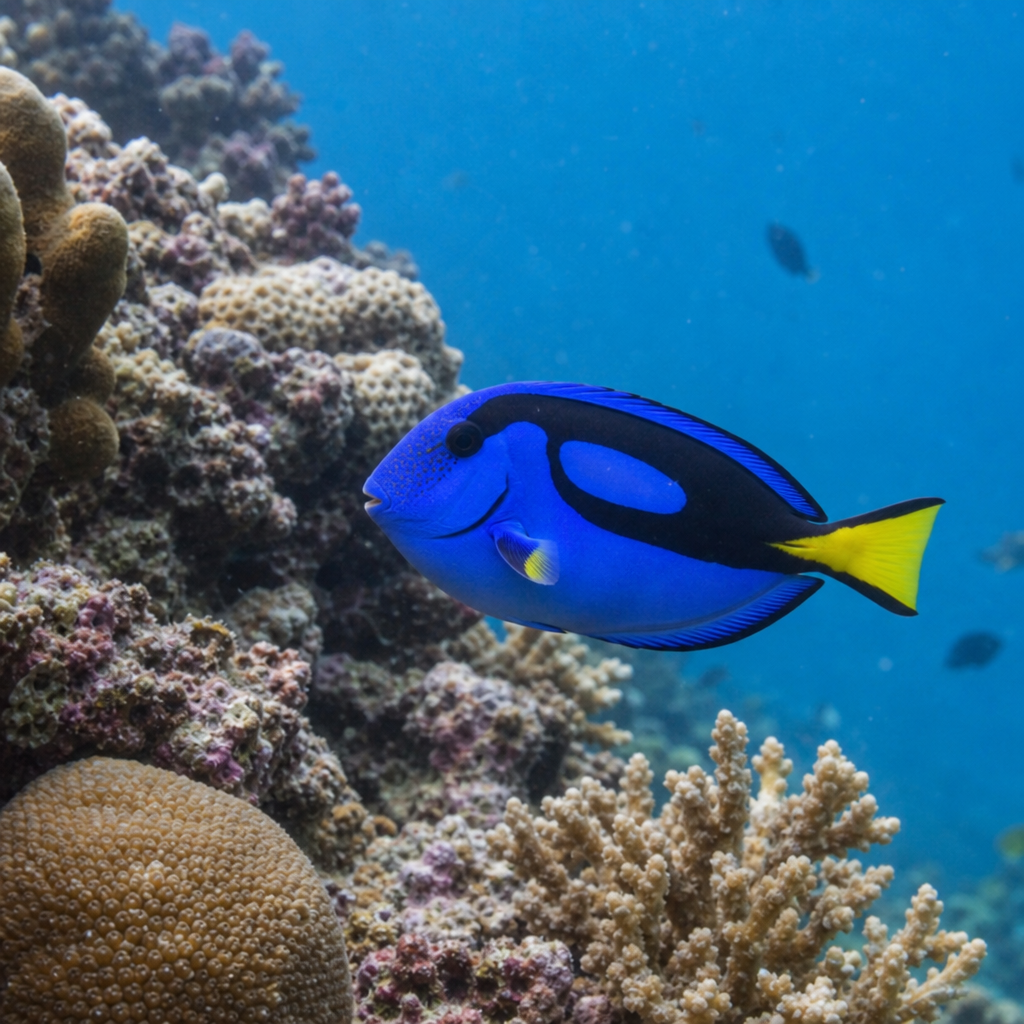
Is tang a type of fish?
Yes, tang is a type of fish, but it is also a common name for a broader group of marine fish in the family Acanthuridae. This family includes surgeonfish, tangs, unicornfish, and related reef grazers known for laterally compressed bodies, strong swimming ability, and sharp defensive spines near the tail. Those spines are one reason tangs are sometimes called surgeonfish, and they are worth respecting during handling or transport.
In the wild, tang fish spend much of their day moving across coral reefs and rocky areas, picking at algae and helping keep reef surfaces from becoming overgrown. That natural behavior explains a lot about their aquarium needs: they require swimming space, oxygen-rich water, hiding places, and frequent access to algae-based foods. A tang may look like a decorative showpiece, but it behaves like a busy reef grazer with a strong sense of territory.
The remarkable variety of tang fish species
There are many tang fish species, and they vary widely in adult size, temperament, color, and suitability for home aquariums. Some remain manageable for experienced hobbyists with large tanks, while others grow too large or become too assertive for many typical reef setups. Before choosing any tang, it helps to look beyond color and ask how the fish will live once fully grown.
Common groups include:
- Blue tangs, including the famous blue tang, Paracanthurus hepatus, known for its electric blue body and yellow tail.
- Zebrasoma tangs, such as yellow tangs and sailfin tangs, often recognized by their disc-like body shape and grazing behavior.
- Acanthurus tangs, including species such as powder blue, Achilles, and convict tangs, many of which are active, beautiful, and demanding.
- Naso tangs, or unicornfish, which can become large, powerful swimmers and are best suited to very spacious systems.
If you have seen the phrase tap tap fish convict tang, it may refer to the convict tang as it appears in a game or search result, but the real fish is a living reef species with care needs that cannot be simplified into a collectible label. Convict tangs are attractive, active grazers, and like other tangs, they require stability, space, and a suitable diet rather than impulse purchasing.
What do tang fish need in a home aquarium?
Tang fish need a mature, stable saltwater aquarium with enough length for swimming, strong filtration, high water quality, and a steady supply of algae-based nutrition. Their care is not just about meeting a minimum tank number; it is about creating an environment that supports constant movement, grazing, oxygen exchange, and low stress. A tang kept in cramped or unstable conditions is more likely to become aggressive, stop eating well, or develop health problems.
A good tang setup usually includes:
- A properly sized tank: Smaller tang species may be kept in large home aquariums, while bigger species can require very large systems. Research the adult size of the exact species, not just its size at the store.
- Stable saltwater parameters: Warm tropical temperatures, reef-appropriate pH, consistent salinity, and low waste levels matter more than chasing perfect numbers.
- Strong water movement: Tangs are active swimmers and benefit from oxygen-rich water and steady circulation.
- Live rock or reef structure: Rockwork gives tangs grazing surfaces, shelter, and visual boundaries that can reduce stress.
- A vegetable-forward diet: Offer marine algae, nori, herbivore pellets, and varied foods rather than relying only on meaty blends.
Feeding is especially important. Tangs are often described as herbivores, although some species will also take small animal-based foods. In aquariums, they do best when they can graze frequently and receive regular plant-based meals. Underfeeding greens can lead to weight loss, poor color, and increased competition with tank mates.
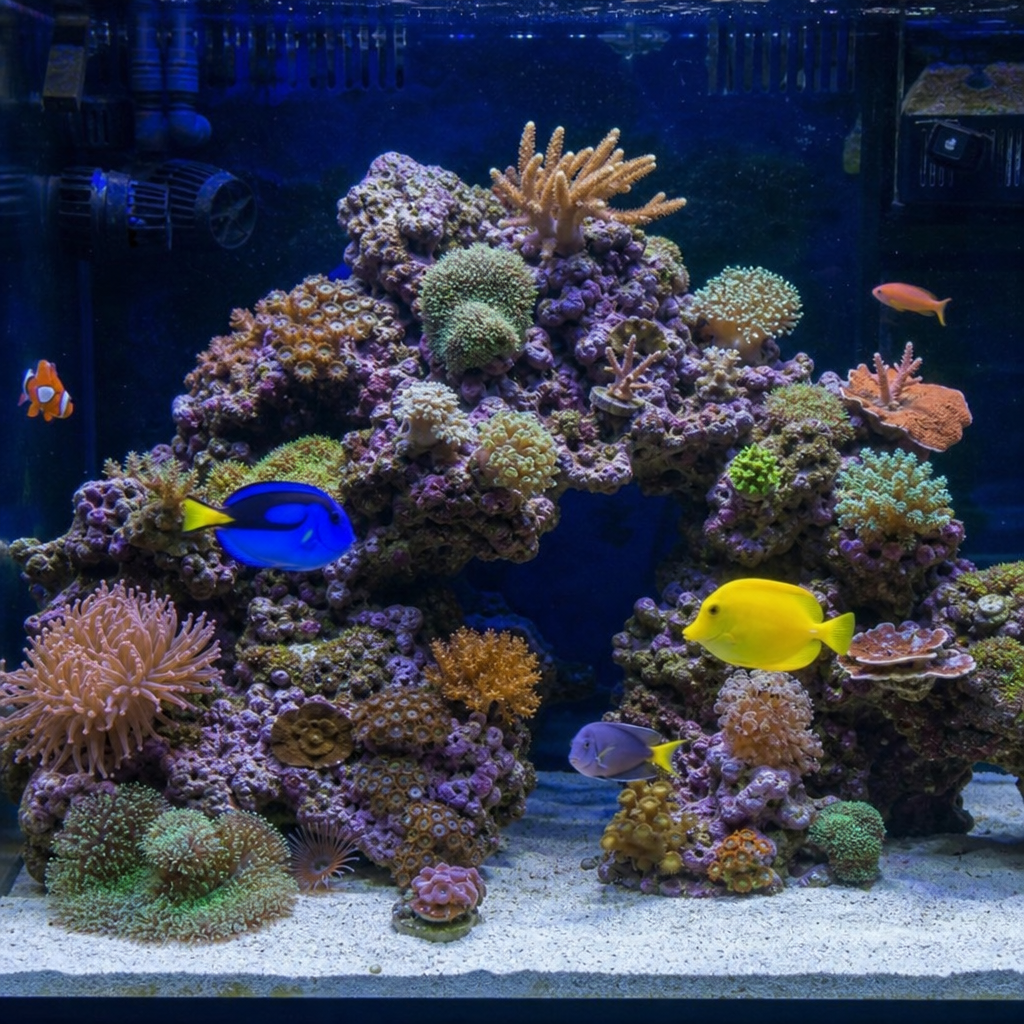
Blue tang and clown fish in the same tank
The blue tang and clown fish are not close relatives, even though they are often associated with colorful reef aquariums. Blue tangs belong to the tang/surgeonfish family, while clownfish belong to the damselfish family, Pomacentridae. That difference matters because they have different body shapes, swimming patterns, diets, territories, and social behaviors.
The phrase blue tang fish and clownfish often brings to mind a peaceful reef scene, and in many well-planned aquariums these fish can coexist. A clownfish usually claims a smaller territory around a host coral, anemone, or corner of the tank, while a tang patrols a much larger swimming area. Because they use the tank differently, they may ignore each other if the aquarium is spacious and stable.
Still, compatibility is never automatic. A cramped tank can make a tang feel boxed in, while a defensive clownfish may harass fish that come too close to its chosen area. The best approach is to plan aquascape, stocking order, and feeding routines before mixing them.
Helpful compatibility tips include:
- Choose tank size for the tang first. Clownfish can fit many reef systems, but tangs set the space requirement.
- Break up sightlines with rockwork. This helps fish retreat and reduces constant face-to-face tension.
- Feed in more than one area. Spreading food can prevent one fish from guarding all meals.
- Avoid overcrowding similar grazers. Tangs may become more territorial around fish with similar shapes or feeding habits.
- Watch behavior after introduction. Short chases may settle, but constant pursuit, hiding, or torn fins are warning signs.
When people compare blue tang and clown fish, the simplest takeaway is this: clownfish are generally smaller, more site-attached, and more tolerant of modest swimming space, while blue tangs are larger, roaming grazers that need a bigger, more carefully managed environment.
Choosing the right tang for your aquarium
A beautiful fish is not always the right fish. The best tang for your aquarium depends on adult size, temperament, diet, and how much swimming space your system provides. Choosing carefully at the start prevents many of the problems hobbyists later try to solve with rearranged rockwork, emergency rehoming, or medication.
Use this quick decision checklist before buying:
- Can your tank support the adult fish, not just the juvenile? Many tangs are sold young and grow substantially.
- Is your aquarium already stable? New tanks are often too unstable for sensitive grazers.
- Do you have a feeding plan for algae and greens? Tangs should not have to survive only on leftover community food.
- Are current tank mates peaceful enough? Aggressive fish can stress a new tang, while a bold tang can intimidate quieter species.
- Can you quarantine or observe safely before introduction? This reduces the risk of bringing disease into a display tank.
For mixed communities, temperament matters as much as appearance. Some tangs are relatively manageable when given space, while others are known for being intense competitors. Fish with similar body shapes, colors, or grazing niches may clash, especially if introduced into a tank without enough room or structure.
Smart steps before looking for tang fish for sale
Searching for tang fish for sale should come after research, not before it. A healthy purchase starts with knowing which species fits your system, what a good specimen looks like, and how you will acclimate it. Buying the wrong tang because it is small, colorful, or temporarily available can create long-term stress for both the fish and the aquarist.
When evaluating a tang, look for alert swimming, clear eyes, smooth breathing, intact fins, and a body that does not look pinched or sunken. A fish that is grazing or taking prepared food is usually a better candidate than one that ignores everything offered. Avoid fish showing visible spots, cloudy patches, frayed fins, rapid breathing, or repeated scraping against surfaces.
Responsible buying also includes asking practical questions. Has the fish been eating? How long has it been at the store or supplier? Was it quarantined or treated preventively? No single answer guarantees success, but transparent information helps you make a calmer, more informed decision.
Acclimation should be slow and low-stress. Match temperature carefully, avoid exposing the fish to air if unnecessary, and move it into a prepared environment with hiding places and subdued lighting. If possible, quarantine first so you can observe feeding, breathing, and skin condition before the tang joins a display reef.
Health challenges and prevention
Tang fish can be vulnerable to common marine aquarium problems when stressed. Issues such as marine ich, velvet, fin damage, and head and lateral line erosion are often linked to poor water quality, nutritional gaps, aggression, or inadequate quarantine. Treatment can be difficult in reef displays, so prevention is far better than reacting after symptoms appear.
A prevention-focused routine includes:
- Quarantining new arrivals when possible.
- Maintaining stable salinity, temperature, and filtration.
- Offering a varied diet with plenty of marine algae.
- Reducing aggression through space, aquascape, and stocking choices.
- Observing daily for appetite, breathing rate, spots, scratching, or hiding.
The goal is not to make the aquarium sterile or overmanaged. It is to keep the fish strong enough that normal challenges do not become emergencies. Tangs are active, expressive fish, so changes in behavior often appear before a problem becomes severe.
Sustainable appreciation of tangs
Tang fish are more than colorful aquarium additions. In reef ecosystems, their grazing helps shape the balance between algae and coral surfaces, which makes them important participants in their natural habitats. That ecological role is one reason hobbyists should think carefully about sourcing, long-term care, and whether they can truly house the species they admire.
Whenever possible, choose suppliers that emphasize healthy handling, responsible collection, captive-bred options where available, and honest species guidance. A sustainably minded aquarist does not simply ask, “Can I buy this fish?” The better question is, “Can I give this fish a suitable life for years to come?”
Final takeaway
Tang fish bring movement, color, and reef-grazing behavior into a saltwater aquarium, but they reward preparation more than impulse. Whether you are drawn to the famous blue tang, curious about convict tangs, or comparing a blue tang and clown fish community, focus first on adult size, swimming room, diet, health, and compatibility. With patient planning, the colorful world of tangs becomes easier to enjoy- and much better for the fish themselves.