


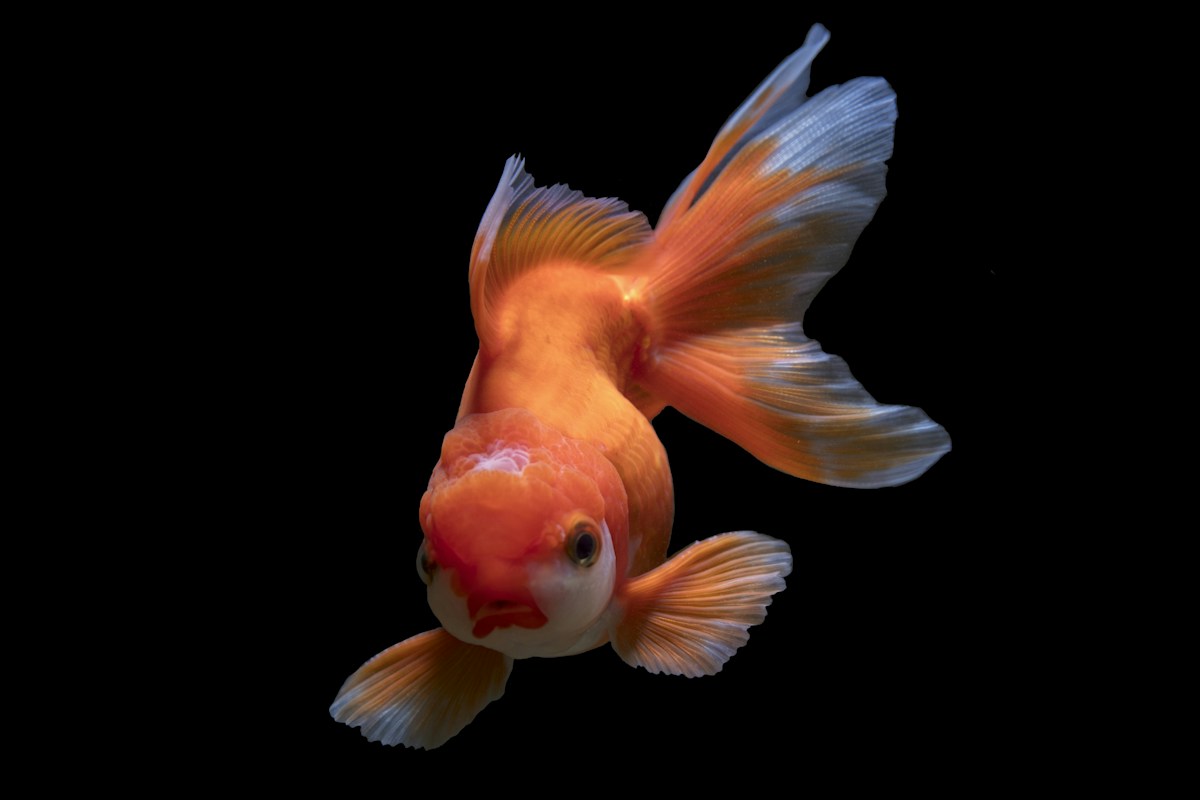
Glistening like miniature living rubies amidst submerged botanical shadows, the *Chili Rasbora* (*Boraras brigittae*, also known as the Mosquito Rasbora) stands among the most diminutive and breathtaking vertebrate species cultivated in modern aquatics. Reaching a maximum mature length of barely 0.6 to 0.7 inches (15 to 18 millimeters), this exquisite Indonesian cyprinid has become the quintessential icon of authentic blackwater nano-aquascaping and biotope design.
Yet, the very attributes that make *Boraras brigittae* so mesmerizing – its microscopic physical scale and delicate physiological makeup – render it highly susceptible to inappropriate aquarium conditions. Kept in bright, hard-water community tanks alongside boisterous, fast-swimming species, Chili Rasboras fade to a washed-out translucent orange, experience continuous immunosuppressive stress, and rapidly succumb to starvation or osmotic shock.
In their native peat swamp forest streams of southwestern Borneo, Chili Rasboras navigate extreme hydrological conditions defined by ultra-soft, strongly acidic water stained deep tea-brown by decomposing organic humic botanicals. Replicating this tranquil, tannin-drenched environment is not merely an aesthetic choice; it is a physiological necessity for the expression of their fiery crimson plumage and natural schooling vitality.
Mastering the care of *Boraras brigittae* requires orchestrating pristine softwater chemistry, designing shadow-rich botanical layouts, culturing species-appropriate micro-live feeds, and maintaining tight social schools that unlock their captivating natural behavior.
The Peat Swamp Biotope: Extreme Hydrology of Southwestern Borneo
The natural habitat of *Boraras brigittae* is confined to the vanishing peat swamp forests of South Kalimantan, Indonesia. In these ancient alluvial wetlands, centuries of accumulated leaf litter, tree roots, and fallen forest canopies decay under waterlogged conditions, creating thick beds of submerged peat.
Limnological data published by the FishBase Information System records astonishing water parameters within these native blackwater streams: pH values routinely plummet between 4.0 and 5.5, while General Hardness ($) and Carbonate Hardness ($) register near unmeasurable levels (<1 dGH). Total Dissolved Solids ($) often measure below 30 ppm.
In these ultra-soft, acidic waters, microbial pathogen pressures are naturally suppressed by heavy concentrations of dissolved humic, fulvic, and tannic acids. When aquarists place Chili Rasboras into alkaline municipal tap water (pH > 7.5, GH > 12), the excessive mineral concentration exerts severe osmotic pressure across their delicate gill membranes, leading to lethargy, chronic vulnerability to bacterial infections, and complete suppression of carotenoid pigmentation.
Achieving True Blackwater Chemistry at Home
Cultivating thriving Chili Rasboras begins with pure Reverse Osmosis (RO) water remineralized sparingly to a target TDS of 40 to 70 ppm and a GH of 2 to 4 dGH, maintaining zero carbonate hardness ($ dKH) to permit organic acid buffering.
To establish natural blackwater conditions, the aquarist introduces botanical amendments including Indian almond leaves (*Terminalia cappa*), alder cones (*Alnus glutinosa*), and rooibos botanicals. As these botanicals soak, they release polyphenols and tannins that tint the water column a warm golden-amber, naturally softening light penetration and providing powerful antifungal and antibacterial protection.
Aquascape Architecture: Shadow Play and Floating Plant Curtains
Chili Rasboras possess large, highly sensitive eyes adapted to the dim twilight of dense rainforest canopies. Bright, unshaded high-tech aquascaping lights trigger acute flight reactions, causing the fish to seek shelter permanently beneath filter pipes or along substrate corners.
Designing a dedicated *Boraras* sanctuary requires establishing multiple canopy layers. Surface-covering floating macrophytes, such as *Salvinia minima*, *Limnobium laevigatum*, and *Phyllanthus fluitans*, provide floating root curtains that diffuse intense light into shimmering, gentle rays. The sub-canopy should feature shade-tolerant aquatic flora including *Cryptocoryne parva*, Java moss, and *Microsorum pteropus* anchored to twisting spider wood or Malaysian bogwood roots.
Schooling Mechanics and Colony Scale
Due to their minute physical mass, keeping Chili Rasboras in small numbers (such as five or six individuals) is a critical error. In small groups, the fish feel completely exposed to potential avian and fish predators, triggering chronic stress that dampens appetite and color.
Chili Rasboras must be maintained in cohesive schools of at least 12 to 20 specimens. In larger groups, their social confidence skyrockets: they school tightly in synchronized formations through the midwater zones, swimming rhythmically against gentle filter flows and establishing peaceful courtship territories among submerged branches.
Dominant males develop breathtaking neon-ruby coloration accentuated by a jet-black lateral stripe and crimson spots on the dorsal and anal fins. Males engage in playful, lightning-fast display runs, asserting visual dominance without inflicting injury.
Micro-Nutrition: Sizing Diets for a 15mm Fish
Feeding *Boraras brigittae* requires recognizing the physical limitations of a 15-millimeter fish. Their mouth aperture measures less than 0.5 millimeters, meaning standard community flakes or micro-wafers are far too large for ingestion.
Providing live cultured micro-foods is essential for conditioning. Freshly hatched Baby Brine Shrimp (harvested within 12 hours of hatching before the nauplii grow too large), live paramecia cultures, vinegar eels, and banana worms form the cornerstone of optimal nutrition. High-grade pulverized micro-powders (100 to 200 microns) rich in natural spirulina and krill meal provide daily carotenoid precursors that fuel their fiery red hue.
Replicating native blackwater biotope conditions ensures optimal coloration and natural schooling behavior in *Boraras brigittae*. Review the critical specifications below.
Chili Rasbora (Boraras brigittae) Biotope Matrix
| Ecological Parameter | Biotope Standard | Physiological Function | Unacceptable Extremes |
|---|---|---|---|
| Water Acidity (pH) | 4.5 – 6.5 (Optimal: 5.5) | Replicates acidic peat swamp streams | pH > 7.4 causes osmotic stress and color loss |
| General Hardness / TDS | GH 1 – 4 dGH | TDS 30 – 70 ppm | Low ionic load for softwater gill membranes | Hard tap water (>150 ppm) suppresses immune health |
| Water Tannin Density | Light to Deep Tea Staining | Antimicrobial humic acids; light filtration | Sterile, clear, unshaded water triggers skittishness |
| Minimum School Size | 12 – 20+ Specimens | Security in numbers; tight synchronized schooling | Groups <8 hide constantly in corners |
| Flow Velocity | Very Gentle / Low Current | Prevents physical exhaustion of 15mm bodies | Powerheads pin tiny fish against glass |
Adhering to these micro-biotope principles guarantees extraordinary coloration and natural vitality. Review the crucial care inquiries below.
Frequently Asked Questions About Chili Rasbora Care
How can you tell Boraras brigittae apart from Boraras maculatus or urophthalmoides?
*Boraras brigittae* features a continuous, solid black lateral stripe bordered by intense glowing red markings that encompass the entire body. *B. maculatus* displays distinct large round spots, while *B. urophthalmoides* has a thinner, iridescent golden-bordered stripe.
Can Chili Rasboras be kept with Caridina crystal red shrimp?
Yes, Chili Rasboras and Caridina shrimp are the ultimate blackwater pairing. They share the exact same soft, acidic water requirements (pH 5.5 to 6.5, low TDS), and Chili Rasboras have mouths too tiny to harm baby shrimp.
Why are my Chili Rasboras pale orange instead of bright red?
Pale coloration indicates high water hardness, alkaline pH, lack of tannins, overly bright unshaded lighting, or low-quality dry food. Adding Indian almond leaves, floating plants, and live baby brine shrimp restores vivid crimson color.
What is the minimum tank size for a school of Chili Rasboras?
A 5-gallon tank can house 10 to 12 Chili Rasboras, but an 8 to 10-gallon long aquarium is ideal. The additional horizontal swimming length allows them to form natural schooling ribbons.
Do Chili Rasboras jump out of aquariums?
Yes, like many small surface-oriented cyprinids, startled Chili Rasboras can jump through tiny gaps when frightened. Always maintain a secure glass lid on the aquarium.
What is the best filter for a Chili Rasbora tank?
A gentle air-driven sponge filter or an external canister filter equipped with a fine stainless-steel mesh intake guard and a lily pipe outflow. High-current powerheads exhaust and trap these tiny fish.
Can Chili Rasboras eat standard fish flakes?
Standard flakes are far too large and thick. If feeding dry food, it must be crushed into a fine micro-powder between your fingers or purchased as dedicated nano micro-granules (under 0.3 mm).
How long do Chili Rasboras live in home aquariums?
In well-maintained blackwater aquariums with clean, soft water and live food, *Boraras brigittae* live between three and five years, retaining vivid coloration throughout adulthood.
What is the ideal temperature for Chili Rasboras?
They thrive in tropical temperatures between 74 and 82 degrees Fahrenheit (23 to 28 degrees Celsius). They appreciate warm, stable conditions mirroring Southeast Asian peat forests.
Strategic Conclusion and Blackwater Artistry
Cultivating a school of *Boraras brigittae* represents one of the pinnacle achievements in micro-aquatics. In an era dominated by oversized community displays, the understated elegance of twenty ruby-red micro-fish gliding through amber-tinted waters surrounded by floating roots captures the essence of wild tropical streams. By honoring their evolutionary need for soft, acidic hydrology, subdued illumination, and living micro-nutrition, the aquarist builds an enchanting living jewel box.
For more academic data on Bornean peat swamp limnology and cyprinid ecology, consult research databases at the FishBase Consortium, habitat conservation reports from the Food and Agriculture Organization, and biotope design manuals at the Aquatic Gardeners Association.