


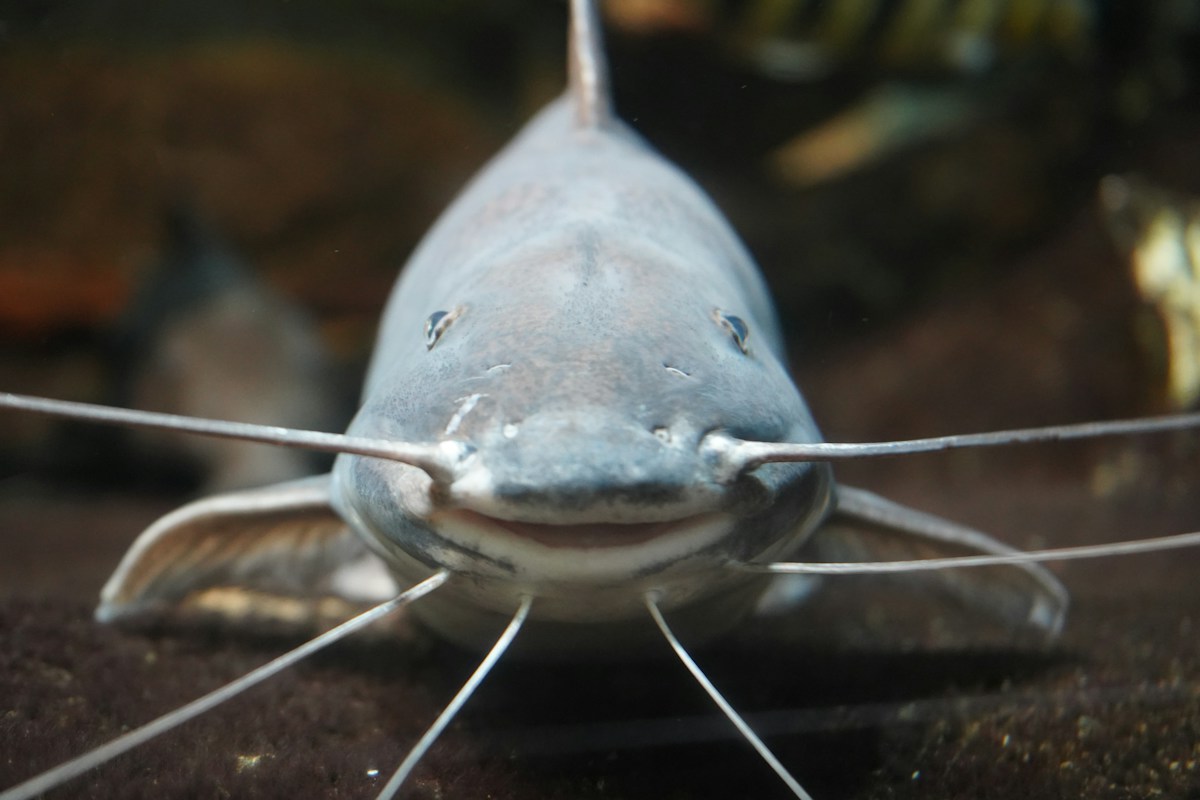
With their slender, serpentine silhouettes, rich chocolate-and-gold tiger banding, and comical burrowing antics, *Kuhli Loaches* (*Pangio semicincta*, commonly misidentified as *Pangio kuhlii*) have delighted freshwater aquarists for generations. Native to the sluggish, leaf-carpeted forest streams and peat tributaries of Southeast Asia, these peaceful benthic cobitids provide invaluable cleanup utility while adding unique evolutionary morphology to community aquariums.
Despite their popularity, Kuhli Loaches are routinely subjected to environmental conditions that severely compromise their physical health and behavioral expression. Kept on coarse gravel substrates, housed in solitary confinement, or thrust into high-light, bare aquariums, Kuhli Loaches vanish into permanent hiding or suffer catastrophic mechanical injuries to their delicate sensory barbels and scaleless bellies.
Thriving Kuhli Loach husbandry is deeply rooted in evolutionary biology. In nature, these nocturnal foragers navigate soft alluvial mud beds, sifting silt through their gills to unearth burrowing insect larvae and micro-crustaceans. Providing an ultra-fine sand substrate is not an optional aesthetic luxury; it is the absolute foundation of their dermatological health and natural foraging mechanics.
By understanding their intricate schooling social structure, nocturnal foraging routines, specialized dietary requirements, and physical tank safety hazards, aquarists can transform shy, hidden loaches into active, confident social groups that explore the aquarium day and night.
The Substrate Mandate: Fine Silica Sand vs Barbel Erosion
The single most critical factor in Kuhli Loach longevity is substrate selection. Kuhli Loaches possess specialized, sensitive rostral barbels packed with chemoreceptors used to detect subterranean prey hidden beneath sediment layers.
When kept on conventional gravel substrates – even smooth pea gravel or polished river pebbles – two severe physiological complications arise. First, the loaches cannot perform their natural behavior of burrowing beneath the substrate to rest and escape perceived threats. Second, as they attempt to force their snouts between hard, abrasive gravel grains, the delicate barbels suffer severe mechanical friction, wearing down to the dermis.
Barbel erosion quickly exposes open tissue to opportunistic fungal and bacterial pathogens (*Aeromonas* and *Flavobacterium*), leading to systemic infection. Furthermore, rough gravel edges cause painful lacerations across their soft, virtually scaleless ventral bellies.
Aquarists must provide a minimum of 1.5 to 2.0 inches of soft, inert silica sand (such as cosmetic pool filter sand or fine aquarium quartz sand, grain size 0.2 to 0.8 mm). On soft sand, Kuhli Loaches engage in their signature behavioral joy: diving headfirst into the sand, completely submerging their bodies with only their inquisitive eyes and barbels protruding, or scooping sand into their mouths and expelling clean grains out through their gill opercula.
Social Psychology: The Critical Group Size Threshold
A widespread complaint among novice keepers is: ‘I bought two Kuhli Loaches and I have never seen them since.’ Solitary Kuhli Loaches, or pairs kept in small tanks, experience intense agoraphobia and predation terror, remaining permanently wedged beneath decorations.
In nature, *Pangio* loaches live in vast communal colonies comprising hundreds of individuals. In the aquarium, keepers must house a minimum of six to ten loaches together. When kept in robust social groups, their psychology transforms completely. Confident in the biological safety of their peers, they form ‘loach puddles’ – resting together in tangled, peaceful heaps beneath driftwood arches – and emerge boldly during feeding times.
Nocturnal Feeding Ecology and Benthic Nutrition
While Kuhli Loaches are often marketed as indiscriminate scavengers that consume leftover waste, treating them as garbage collectors leads to slow malnutrition. While they happily clean up uneaten flakes that reach the bottom, their natural diet is that of a specialized benthic carnivore.
Wild loaches feed extensively on aquatic oligochaete worms, chironomid midge larvae (bloodworms), micro-mollusks, and detrital benthic organisms. In captivity, their diet must center upon sinking, high-protein carnivore pellets, spirulina tablets, and frozen foods.
Live or frozen blackworms, bloodworms, and daphnia should be fed in the evening shortly after aquarium lights extinguish. Dropping sinking pellets into dark corners ensures that fast-swimming midwater tetras and barbs do not consume the food before the nocturnal loaches have an opportunity to feed peacefully.
Aquarium Escape Prevention and Filter Safety
Kuhli Loaches possess an astonishing anatomical capacity to navigate microscopic fissures, driven by their evolutionary instinct to seek damp subterranean root channels during seasonal dry cycles. In the home aquarium, this instinct translates into a notorious reputation as escape artists.
Every aquarium housing *Pangio* species must feature a 100 percent gap-free canopy or glass lid. Any small opening around filter tubes, heater cords, or airline tubing will inevitably be discovered by an exploratory loach, resulting in fatal desiccation on the floor.
Furthermore, internal filter intakes and powerhead suction grates present lethal hazards. Driven by their desire to explore dark, high-flow crevices, loaches frequently squeeze through filter intake slots, becoming trapped inside external canister filters or shredded by spinning motorized impellers. All filter intakes must be permanently secured with pre-filter sponges or fine stainless-steel mesh guards.
Fulfilling the biological needs of *Pangio semicincta* ensures confident behavior and decades of benthic activity. Review the essential care matrix below.
Kuhli Loach (Pangio semicincta) Husbandry Matrix
| Husbandry Dimension | Target Standard | Biological Necessity | Fatal Configuration Hazard |
|---|---|---|---|
| Substrate Texture | Ultra-fine soft silica sand (<0.8 mm) | Allows burrowing and gill sand sifting | Coarse gravel erodes sensory barbels |
| Colony Density | 6 – 10+ Specimens Minimum | Communal security; prevents permanent hiding | Solitary loaches experience chronic terror |
| Filter Intake Protection | Dense pre-filter sponge cover | Blocks entry into motorized impeller chambers | Uncovered intakes suck loaches into impellers |
| Dietary Protocol | Sinking carnivore pellets, live blackworms | Obligate nocturnal benthic micro-predation | Assuming they survive purely on fish waste |
| Water Parameters | pH 6.0 – 7.2 | GH 3 – 8 dGH | 75°-82°F | Warm, soft, slightly acidic forest streams | Cold water (<70°F) induces metabolic shock |
Adhering to these benthic guidelines ensures active, healthy loach colonies. Review the essential operational inquiries below.
Frequently Asked Questions About Kuhli Loach Care
Why do Kuhli Loaches suddenly swim in frantic circles against the glass?
Kuhli Loaches possess highly sensitive barometric pressure receptors. When weather storm fronts approach and atmospheric barometric pressure drops sharply, loaches routinely engage in rapid, ecstatic glass-surfing dances.
Can Kuhli Loaches be kept on coarse gravel?
No. Coarse or sharp gravel abrades their delicate sensory barbels, leading to painful infections, and prevents natural burrowing behavior. They must be housed on smooth, soft silica sand.
How long do Kuhli Loaches live in captivity?
With soft sand, clean water, and proper nutrition, Kuhli Loaches are exceptionally long-lived, routinely reaching 10 to 14 years of age in home aquariums.
Do Kuhli Loaches eat snails?
Unlike larger *Botia* or *Chromobotia* loaches, Kuhli Loaches have small, delicate mouths and cannot crush adult snails. They may occasionally consume tiny newly hatched pest snail eggs or micro-snails, but they are not reliable snail eradicators.
Why are my Kuhli Loaches hiding all the time?
Excessive hiding stems from keeping too few individuals (under 6), bright unshaded lighting, aggressive tankmates, or a lack of physical hiding caves such as coconut shells, driftwood, and slate crevices.
Can Kuhli Loaches jump out of the aquarium?
Yes, Kuhli Loaches are notorious escape artists capable of slithering through minute gaps around filter pipes and lids. A tight-fitting glass lid with zero gaps is mandatory.
Are Kuhli Loaches safe with dwarf shrimp?
Yes, adult Neocaridina and Amano shrimp are completely safe with Kuhli Loaches. While loaches might opportunistically consume tiny, helpless newly hatched shrimplets, established shrimp colonies reproduce steadily alongside them.
What should you feed Kuhli Loaches?
Feed sinking carnivore wafers, spirulina tablets, and frozen bloodworms or live blackworms in the evening after aquarium lights turn off so the nocturnal loaches can eat without competition.
Do Kuhli Loaches need warm water?
Yes, Kuhli Loaches are tropical fish that require warm water between 75 and 82 degrees Fahrenheit (24 to 28 degrees Celsius). They become lethargic and immunocompromised in cool water.
Strategic Conclusion and Benthic Husbandry Blueprint
The Kuhli Loach is an endearing testament to the specialized beauty of benthic freshwater ecology. Transitioning from common retail misunderstandings to scientific husbandry – providing expansive sand playgrounds, establishing reassuring social colonies, and offering targeted nocturnal feeds – unlocks the full charm of these gentle serpentine cobitids. Treated with thoughtful care, a community of *Pangio semicincta* will provide endless fascination, weaving through aquatic plant roots and sand dunes for well over a decade.
For more taxonomic research and geographic distribution maps of *Pangio*, consult records at the FishBase Database, ecological surveys from the Food and Agriculture Organization, and biotope design manuals at the Aquatic Gardeners Association.