


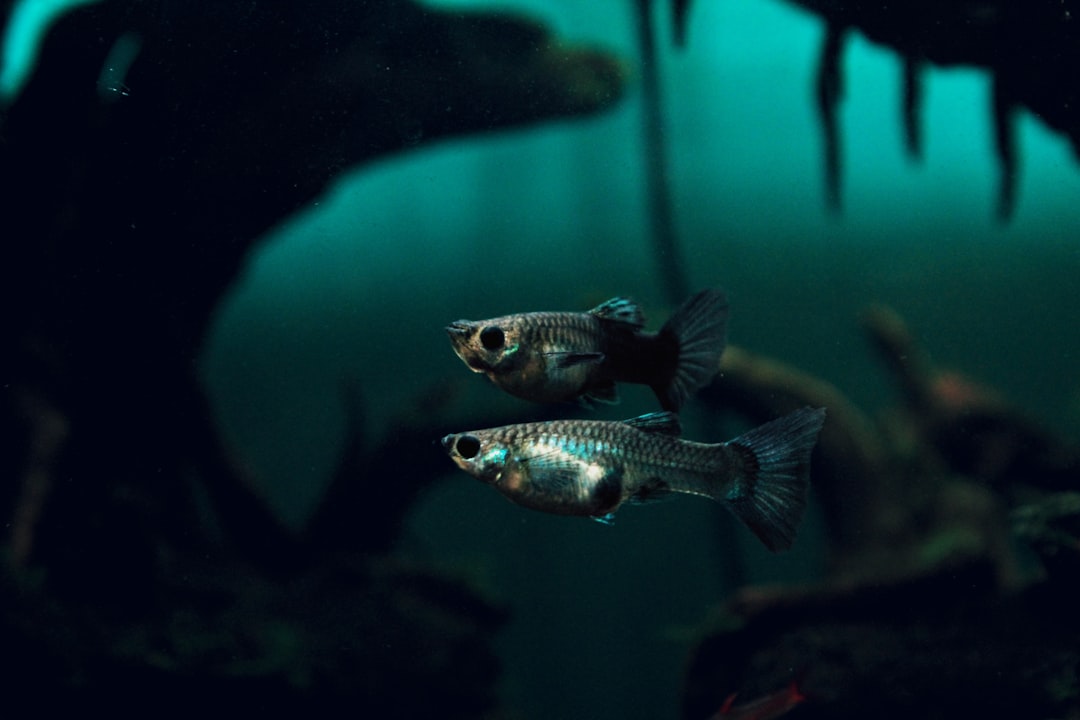
Aquarium hobbyists frequently encounter one of the most vibrant and adaptable freshwater species available when exploring community tanks. Popularly known by scientific classifications within the Poecilia genus, these livebearing fish originate from the warm, nutrient-rich freshwaters of northeastern South America and surrounding islands. Managing a thriving aquatic environment for these colorful swimmers requires a nuanced understanding of environmental chemistry, nutritional science, and population dynamics. Implementing a structured approach to complete guppy fish care and breeding ensures long-term colony vitality, vibrant coloration, and disease-free longevity within home aquaria setups.
Understanding Water Chemistry and Environmental Requirements
Maintaining optimal water conditions serves as the primary foundation for successful tropical fish husbandry. Native habitats typically feature mineral-rich, hard water environments, which directly dictate the chemical parameters required in captivity.
- Temperature Range: Maintain stable thermal conditions between 72°F and 82°F (22°C to 28°C) using reliable glass heaters equipped with external thermostats.
- pH Levels: Keep alkalinity balanced within a moderately hard to hard range, specifically targeting a pH between 7.0 and 8.4.
- Total Hardness: Ensure general hardness (GH) remains between 8 and 12 dGH to support proper skeletal development and physiological regulation.
- Ammonia and Nitrites: Strictly maintain zero levels of toxic nitrogen compounds through established biological filtration cycles.
Sudden environmental fluctuations frequently induce physiological stress, making consistent water change routines mandatory. Aquarists routinely perform weekly partial water changes of 20 to 30 percent, treating replacement water with high-grade conditioners to neutralize municipal chlorine and chloramines before introduction into the main display system.
Designing the Ideal Habitat and Tank Setup
Creating a naturalistic enclosure involves replicating slow-moving streams, drainage ditches, and vegetated floodplains. Tank volume significantly influences population stability; while a pair or trio can survive in smaller volumes, an established colony requires a minimum of a 10-gallon capacity to dilute waste products effectively and provide adequate swimming space.
Heavy planting utilizing species such as Java Fern, Anubias, and floating hornwort provides essential refuge for vulnerable community members. Dense vegetation dampens aggressive chasing behaviors and supplies microscopic infusoria for newborn fry to graze upon. Filtration systems must feature adjustable flow rates or sponge pre-filters to prevent delicate, flowing fins from being trapped against intake grates while maintaining high dissolved oxygen levels through surface agitation.
Nutritional Strategies for Optimal Growth and Coloration
Dietary management directly dictates metabolic efficiency, immune system resilience, and pigment expression. As opportunistic omnivores, these aquatic organisms require a diverse diet incorporating both high-protein animal matter and nutrient-dense plant derivatives.
| Dietary Category | Primary Components | Frequency & Purpose |
|---|---|---|
| High-Grade Flakes | Spirulina, krill meal, fish meal | Daily staple for balanced nutrition |
| Frozen Live Foods | Bloodworms, daphnia, brine shrimp | 2–3 times weekly for a protein boost |
| Plant Matter | Blanched zucchini, spinach, algae | Occasional supplementation for fiber |
Managing Reproductive Cycles and Colony Expansion
Natural reproductive behaviors occur continuously in mixed-gender populations due to internal fertilization and specialized male reproductive organs known as gonopodia. Females store sperm packets, allowing multiple broods to develop from a single successful mating event over several months. Gestation typically spans between 21 and 30 days, heavily influenced by ambient water temperatures.
Recognizing impending parturition involves monitoring physical indicators such as a distinct darkening of the gravitational patch near the anal fin and a markedly squared-off abdominal profile. Because adults display strong predatory instincts toward their offspring, proactive isolation strategies are required to maximize survival rates. Moving gravid females into heavily planted breeding boxes or dedicated nursery tanks moments before birth prevents mass predation. Alternatively, supplying dense clusters of floating plants provides sufficient natural hiding spots within community setups for fry to evade adult swimmers successfully.
Early Development and Fry Care Protocols
Newly hatched offspring possess significant yolk sacs that sustain their nutritional needs for the first 24 to 48 hours post-birth. Free-swimming juveniles demand specialized feeding regimens due to their diminutive physical size. Microscopic food sources, including freshly hatched baby brine shrimp, commercial liquid fry food, and finely pulverized flake powder, satisfy their rapid metabolic demands.
Water quality standards in nursery enclosures must remain immaculate, necessitating daily micro-water changes using water siphoned carefully from the primary aquarium to avoid osmotic shock. Rapid growth occurs over the first two months, after which juvenile fish begin exhibiting distinct sexual dimorphism, allowing hobbyists to separate males and females before unplanned reproduction occurs.
Health Maintenance and Disease Prevention
Proactive biosecurity protocols minimize the incidence of common freshwater pathogens, including protozoan parasites causing white spot disease (Ichthyophthirius multifiliis) and bacterial fin rot. Quarantining all newly acquired specimens in a separate observation tank for a minimum of two weeks prevents the introduction of transmissible diseases into established display systems. Maintaining pristine water quality, balanced nutrition, and low stocking densities naturally bolsters the epidermal slime coat, serving as the first line of defense against opportunistic pathogens.
Frequently Asked Questions
How many fish can safely inhabit a ten-gallon aquarium?
A general guideline suggests stocking one inch of fish per gallon of water, though accounting for adult size and biological load is essential. A stable setup typically supports a small starting colony of four to six individuals before reproduction increases the bioload.
Why do adult fish chase each other persistently?
Chasing behaviors generally indicate male courtship displays directed toward females, or mild territorial dominance disputes. Maintaining a proper gender ratio of at least two or three females per male disperses aggression and prevents exhaustion in individual specimens.
Can different color strains be kept together safely?
Different color morphs and tail variations belong to the same biological species and school together peacefully. However, mixing strains will result in cross-breeding and unpredictable, multicolored offspring generations.
What is the average lifespan of these freshwater species?
Under optimized environmental parameters, high-grade nutrition, and consistent care routines, healthy specimens typically live between two and three years.
Establishing a thriving aquatic display relies heavily on meticulous attention to water chemistry, balanced nutrition, and structured colony management. Implementing these established husbandry practices guarantees vibrant, active populations that bring dynamic color and engaging behavior to freshwater setups for years to come.
Featured Image Credit: Generated/Sourced via Unsplash.
Disclaimer: This article is AI-generated for informational and educational purposes. While we strive to provide high-quality context and authority, the content should not be used as professional advice. The author/website assumes no liability for external links or factual omissions.