


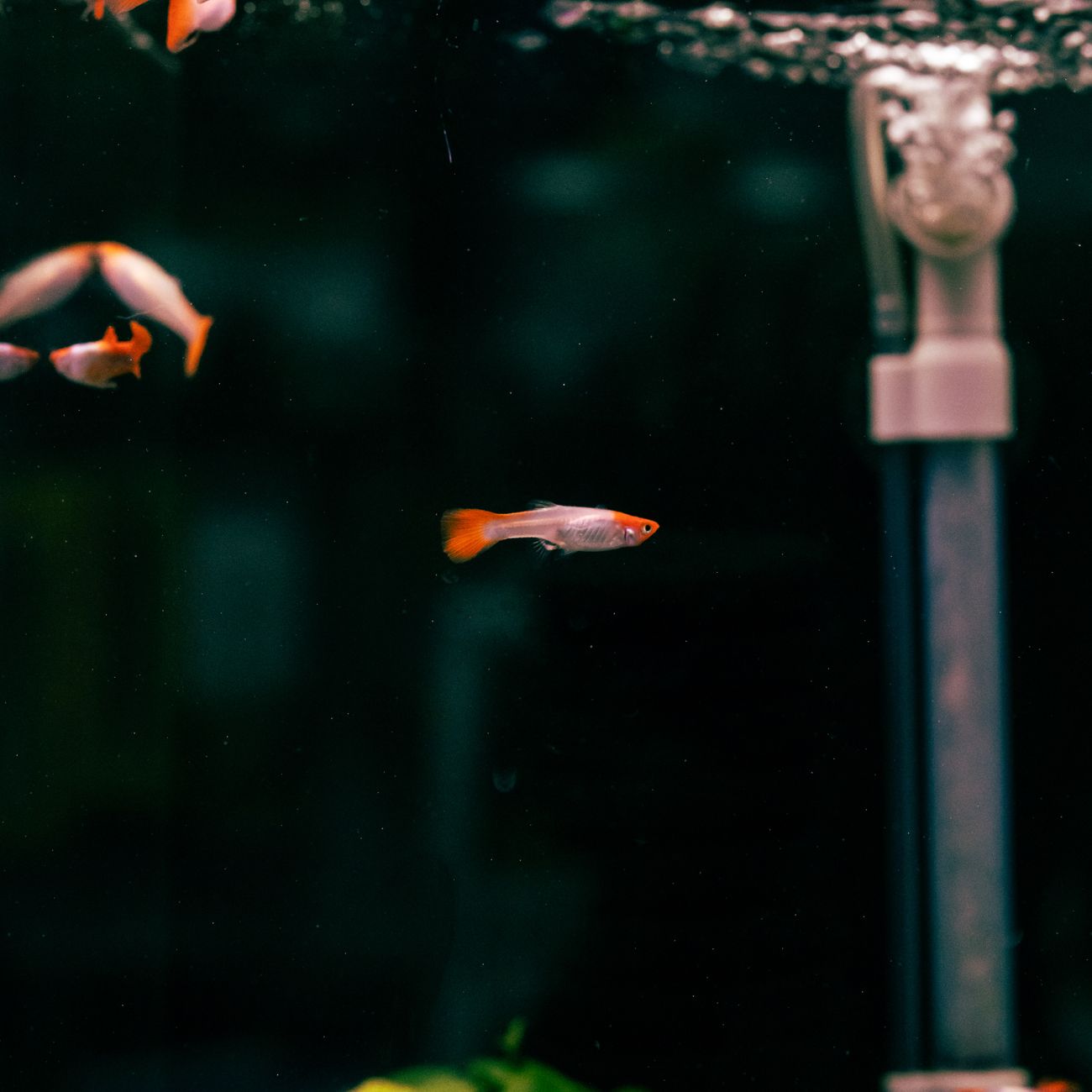
Why Are My Fish Swimming at the Top of the Tank? Causes and Solutions
Aquarium keeping relies heavily on observing subtle behavioral changes in aquatic life. When fish abruptly shift their swimming patterns and begin congregating near the water surface, it signals an underlying environmental stressor. Understanding why are my fish swimming at the top of the tank requires a systematic evaluation of water quality, biological filtration, and aquatic biology. Healthy fish typically utilize all levels of the water column depending on their species-specific traits, but abnormal surface gathering almost always points to a physiological need that the current tank conditions fail to meet.
Low Dissolved Oxygen Levels in the Aquarium
The most prevalent reason for surface-gasping behavior involves insufficient dissolved oxygen within the water column. Fish extract oxygen through their gills, passing water continuously across delicate filaments to absorb the gas into their bloodstream. When oxygen saturation drops due to high water temperatures, overcrowding, or inadequate surface agitation, fish move to the uppermost layer of water. The air-water interface at the top of the tank holds the highest concentration of dissolved oxygen through atmospheric diffusion.
Common triggers for oxygen depletion include:
- Overstocking the aquarium beyond the biological carrying capacity
- Failing to maintain adequate filter output or failing to use an air pump with an airstone
- Excessive organic waste decay, which consumes available oxygen through bacterial respiration
- Elevated water temperatures that decrease the physical capacity of water to hold dissolved gases
Ammonia and Nitrite Toxicity Poisoning
Water chemistry imbalances frequently drive fish upward as they attempt to escape toxic compounds accumulating lower in the tank. Ammonia and nitrite are highly toxic byproducts of fish waste, uneaten food, and decaying plant matter. When the nitrogen cycle fails or remains unestablished in new aquariums, these toxins burn the gill tissues of aquatic inhabitants.
Damaged gills lose their functional capacity to process oxygen efficiently, forcing fish to the surface where water theoretically contains less concentrated waste. Testing water parameters regularly using a liquid test kit helps identify ammonia or nitrite spikes before lethal damage occurs. Immediate large water changes and the addition of chemical neutralizers represent standard corrective measures when toxicity causes surface crowding.
Carbon Dioxide Buildup and pH Fluctuations
Aquatic plants, fish, and beneficial bacteria constantly alter the chemical balance of aquarium water through respiration and metabolic processes. When carbon dioxide levels rise excessively—often occurring overnight when plants stop photosynthesizing and consume oxygen instead—fish experience respiratory distress. This condition mirrors oxygen starvation because high carbon dioxide concentrations hinder the blood’s ability to carry oxygen.
Furthermore, rapid shifts in pH levels stress biological systems. Hard water and soft water species react poorly to sudden chemical swings. When water parameters shift drastically, fish exhibit erratic swimming behaviors, gasping at the surface, or flashing against substrate surfaces. Establishing stable buffering capacities through routine maintenance prevents these dangerous environmental shocks.
Physical Gill Damage and Disease Pathogens
Internal parasites, bacterial infections, and fungal attacks frequently target the respiratory organs of aquarium fish. Gill flukes, microscopic parasites that attach to gill filaments, destroy tissue integrity and restrict breathing capability. Affected fish display rapid gill movement, clamped fins, and persistent surface hovering despite optimal oxygen levels and pristine water parameters.
Treating pathogen-induced respiratory distress requires accurate diagnosis and targeted medication rather than simple water adjustments. Quarantine tanks prevent contagious diseases from spreading through established community setups. Observing quarantine protocols for new livestock drastically reduces the introduction of gill-damaging parasites.
Comparison of Surface-Swimming Causes and Indicators
| Cause of Surface Swimming | Primary Water Test Results | Accompanying Physical Symptoms | Immediate Corrective Action |
|---|---|---|---|
| Oxygen Depletion | Normal ammonia, normal nitrite, low dissolved oxygen | Rapid operculum movement, grouping near filter outflow | Increase surface agitation, add air stones |
| Ammonia Toxicity | Elevated ammonia (>0 ppm) | Red or inflamed gills, lethargy, loss of appetite | Perform 50% water change, dose detoxifier |
| Nitrite Poisoning | Zero ammonia, elevated nitrite (>0 ppm) | Brownish gills, hanging near the surface, gasping | Perform water change, add aquarium salt |
| Gill Parasites | Normal parameters, fluctuating pH | Flashing against decor, excess mucus production | Apply specialized parasitic medication |
| High Temperature | Normal chemical parameters, elevated thermometer reading | Hyperactivity followed by exhaustion | Adjust heater, float ice packs safely |
Temperature Fluctuations and Thermal Stress
Water temperature dictates the metabolic rate of ectothermic animals like fish. As temperatures rise, metabolism accelerates, requiring higher oxygen consumption while simultaneously reducing the water’s ability to retain oxygen. Heaters malfunctioning in the “on” position create lethal thermal spikes. Conversely, unheated tanks experiencing sudden room temperature drops induce cold shock, forcing fish into compromised physiological states where they hover sluggishly near the surface or warmer equipment zones. Monitoring dual digital thermometers ensures stable thermal environments across all seasons.
Improper Feeding Habits and Digestive Blockages
Overfeeding introduces surplus organic matter that decomposes rapidly, stripping oxygen from the water and spiking nutrient loads. Furthermore, specific dry floating foods consumed in excess cause buoyancy issues in certain species, such as goldfish and labyrinth fish. When fish ingest air while feeding at the surface, swim bladder dysfunction may develop. This malfunction prevents proper vertical movement control, causing affected specimens to float helplessly near the top despite normal water parameters and adequate oxygenation. Offering sinking pellets and pre-soaking dry flakes minimizes air ingestion and supports healthy digestion.
Frequently Asked Questions
Why do fish stay at the top of the tank only at night?
Nighttime surface gathering typically stems from plant respiration. During daylight hours, live aquarium plants produce oxygen via photosynthesis. When lights turn off, plants consume oxygen and release carbon dioxide, temporarily depleting available oxygen levels by morning.
How can I increase oxygen in my fish tank without an air pump?
Positioning filter return nozzles above the water surface creates ripples that enhance atmospheric gas exchange. Directing powerheads toward the surface or reducing stocking densities also improves oxygen diffusion naturally without specialized aeration equipment.
Are certain fish species naturally inclined to swim at the surface?
Yes, top-dwelling species like hatchetfish and certain killifish possess specialized body shapes adapted for feeding primarily at the water surface. However, if bottom-dwelling species such as corydoras catfish or loaches congregate at the surface, it indicates a severe environmental emergency.
How long can fish survive while gasping at the surface?
Survival duration depends on the severity of the stressor and water conditions. Acute oxygen deprivation or high ammonia toxicity can prove fatal within hours if corrective interventions are not implemented immediately.
Conclusion
Addressing why are my fish swimming at the top of the tank demands careful observation and methodical troubleshooting. Whether the trigger involves dissolved oxygen depletion, toxic chemical accumulation, parasitic infection, or thermal stress, restoring a healthy aquatic habitat safeguards livestock longevity. Routine water testing, proper filtration maintenance, balanced feeding practices, and stable temperature controls form the foundation of successful fishkeeping. By responding promptly to surface-swimming behaviors with targeted solutions, aquarium keepers ensure thriving, resilient aquatic ecosystems for years to come.
Featured Image Credit: Generated/Sourced via Unsplash.
Disclaimer: This article is AI-generated for informational and educational purposes. While we strive to provide high-quality context and authority, the content should not be used as professional advice. The author/website assumes no liability for external links or factual omissions.