


Beginner Aquascaping Layout Ideas for Freshwater Tanks
Entering the world of planted aquariums often begins with a fascination for underwater landscapes that mimic natural ecosystems. Designing a living ecosystem inside a glass box requires both artistic vision and an understanding of aquatic horticulture. For newcomers, the sheer variety of hardscape materials, aquatic flora, and technical equipment can feel overwhelming. Selecting the right foundational design style simplifies the process, providing a clear roadmap for plant placement, hardscape positioning, and long-term tank maintenance.
Mastering foundational layout styles removes the guesswork from aquarium design. Whether the goal is to replicate a rugged mountain range or a peaceful riverbank, structured composition rules ensure aesthetic balance. This comprehensive guide explores approachable design frameworks, practical setup methodologies, and essential plant selections tailored specifically for newcomers entering the hobby.
Understanding the Fundamentals of Aquascape Composition
Every successful underwater garden relies on core artistic principles adapted from traditional landscape architecture and painting. Composition in a glass enclosure is fundamentally about guiding the human eye through the display, creating a sense of depth, and establishing focal points. Without deliberate structural planning, tanks often look cluttered or chaotic over time as plants mature and fill the available space.
The rule of thirds serves as one of the most reliable tools for arrangement. By dividing the viewing pane into a grid of nine equal rectangles using two vertical and two horizontal lines, aquascapers position primary hardscape features—such as a large piece of driftwood or a prominent cluster of stones—along these intersections. Placing the main focal point dead center frequently results in a static, unengaging visual experience. Shifting the focal weight slightly to the left or right creates dynamic tension and natural balance.
Creating a compelling sense of depth remains another critical objective during the initial setup phase. Because front-to-back distances in standard aquariums are often quite limited, visual tricks are necessary to simulate vastness. Sloping the substrate upward from the front viewing glass toward the back panel immediately increases perceived distance. Furthermore, pairing large-leaved foreground plants with fine-textured background stems enhances this optical illusion, making even compact nano setups feel expansive.
The Iwagumi Style: Simplicity and Natural Harmony
Originating from traditional Japanese gardening philosophies, the Iwagumi layout focuses exclusively on stones and carpeting plants. This minimalist approach strips away extraneous decorations, relying entirely on the arrangement of rocks to evoke a serene, mountain-like topography. For newcomers, this style offers a streamlined hardscape process, though it demands strict adherence to biological balance to prevent algae outbreaks during the initial cycling period.
Stones used in this setup—such as Seiryu stone, Ohko dragon stone, or Ryukoh stone—must share the same texture, color, and grain to maintain realism. Selecting an odd number of stones, typically three or five, follows classic design aesthetics. The largest rock, known as the Oyaishi, acts as the primary focal point, positioned slightly off-center. Secondary stones, called Fukuishi and Soeishi, support the main structure, mimicking the way geological formations weather naturally over time.
Plant selection for this design is intentionally restricted to maintain the minimalist aesthetic. Foreground carpeting species such as Eleocharis parvula (dwarf hairgrass) or Glossostigma elatinoides form a vibrant green lawn across the substrate. Because these species require moderate to high lighting and consistent nutrient dosing, investing in a pressurized carbon dioxide injection system significantly increases the likelihood of a lush, successful carpet.
The Dutch Style: Botanical Order and Plant Diversity
In stark contrast to minimalist rock arrangements, the Dutch style emphasizes lush vegetation, vibrant color contrasts, and strict botanical organization. Developed in the Netherlands during the mid-twentieth century, this approach treats the freshwater aquarium as a terrestrial garden underwater. Hardscape materials play a minimal role, often acting merely as anchors for stem plants rather than visual centerpieces.
Designing a Dutch-style setup involves creating distinct “streets” or terraces of plants with varying leaf shapes, textures, and colorations. Red-leafed species like Alternanthera reineckii or Ludwigia palustris stand out vividly against bright green carpeting plants such as Micranthemum tweediei. Arranging these plant groups in diagonal rows sloping from front to back amplifies the perception of depth within the rectangular confines of the glass tank.
Maintenance in a Dutch setup is notoriously hands-on. Regular trimming, pruning, and propagation are mandatory to keep individual plant species from encroaching on neighboring zones. Success relies heavily on a strict fertilizer dosing routine, ensuring that iron, nitrogen, phosphorus, and potassium remain at optimal levels to support rapid plant growth. For dedicated hobbyists who enjoy horticultural upkeep, this style offers a deeply rewarding, highly colorful underwater display.
Nature Aquarium Style: Capturing Wild Landscapes
Popularized by Takashi Amano, the Nature Aquarium style seeks to recreate miniature terrestrial landscapes, such as lush forests, flowing rivers, or rugged mountain valleys, entirely underwater. This layout philosophy marries hardscape elements like driftwood and boulders with delicate aquatic plants, striking a harmonious balance between organic chaos and structured design.
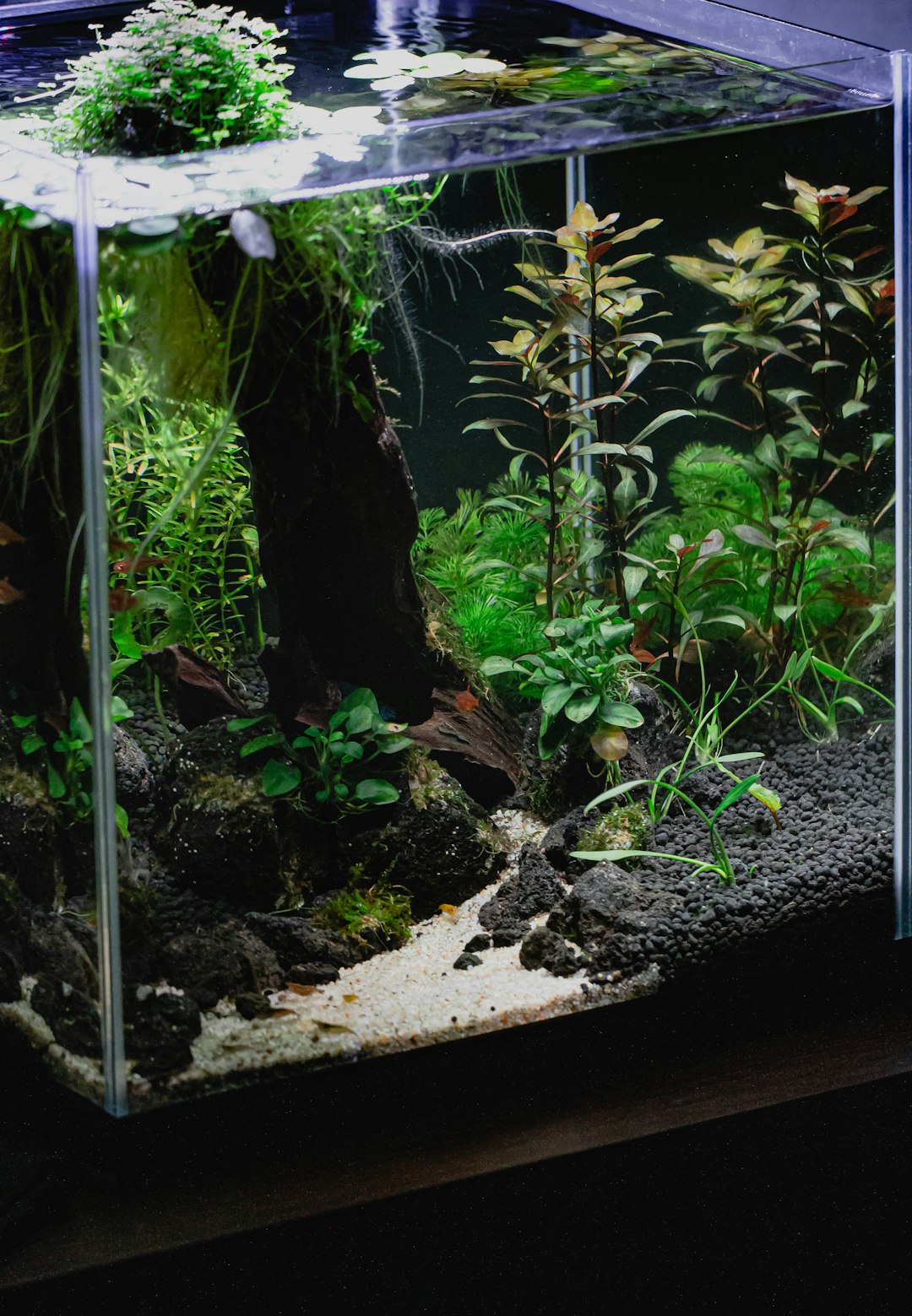
Driftwood pieces—such as spider wood, manzanita, or red moor root—form the structural skeleton of a Nature Aquarium layout. These branches are often arranged to mimic fallen trees or exposed root systems along a riverbank. Epiphytic plants, including Java fern (Microsorum pteropus), Anubias species, and various Bucephalandra, are attached directly to the wood using cotton thread or specialized aquarium-safe glue. Over weeks and months, their roots naturally anchor into the wood grains, creating an established, aged appearance.
Background areas in this layout style typically feature dense groupings of stem plants, such as Rotala indica or Hygrophila polysperma, which sway gently in the current generated by the filter outflow. Foreground areas feature a mix of sand paths and low-growing cryptocorynes. This style forgives minor compositional asymmetries because natural landscapes in the wild rarely feature rigid geometry, making it an exceptionally welcoming choice for those designing their first planted tank.
Comparison of Popular Beginner Aquascaping Styles
| Layout Style | Primary Hardscape | Main Plant Types | Maintenance Level | Recommended Equipment |
|---|---|---|---|---|
| Iwagumi | Stones (Odd numbers) | Carpeting plants | Moderate to High | Strong lighting, CO2 system |
| Dutch Style | Minimal wood/stone | Stem plants, colorful flora | High | Comprehensive fertilizers, high light |
| Nature Aquarium | Driftwood and Rocks | Epiphytes, mosses, stems | Moderate | Balanced lighting, filtration flow |
| Jungle Style | Heavy driftwood/stones | Fast-growing robust plants | Low | Basic lighting, root tabs |
Essential Hardscape Selection and Preparation
Choosing the right materials for the physical structure of the layout dictates both the aesthetic outcome and the water chemistry of the freshwater system. Rocks and wood interact directly with the water column, meaning careless selection can lead to unexpected hardness shifts or pH fluctuations that stress future inhabitants like tetras, shrimp, or snails.
When selecting stones, performing a simple acid test using household vinegar helps identify calcium carbonate content. If the vinegar sizzles or fizzes upon contact with the rock surface, the stone will leach minerals into the water, raising general hardness and pH levels over time. While this suits hard-water species like African cichlids, softer-water community fish prefer inert stones such as lava rock or dragon stone.
Driftwood preparation requires patience to prevent floating issues and excessive water discoloration from natural tannins. Boiling smaller branches for an hour sterilizes the wood and releases trapped air, while larger pieces benefit from prolonged soaking in a designated container for several days or weeks until they sink naturally. Tannins released by wood lower pH slightly and impart an amber tint to the water column, which many hobbyists appreciate for creating a natural, river-like biotope aesthetic.
Substrate Choices and Nutrient Management
Selecting the correct foundation layer beneath the hardscape determines long-term plant health. Aquatic plants absorb nutrients through both their leaves from the water column and their root systems from the substrate. Relying solely on inert gravel or sand often results in stunted plant growth unless supplemented heavily with root tablets and liquid fertilizers.
Nutrient-rich aqusoil serves as the gold standard for planted tanks. These specialized soils are manufactured from baked organic earth and clay, providing a natural reservoir of nitrogen, phosphorus, and trace minerals. Furthermore, active aqua soils naturally buffer the water by lowering pH and carbonate hardness, creating an ideal environment for soft-water flora and fauna.
For hobbyists preferring an inert substrate like aquarium sand or fine gravel, layering a nutrient-rich base beneath the inert sand creates a reliable hybrid system. Placing a layer of organic potting soil or commercial mineral substrate at the very bottom of the tank, capped with a two-inch layer of sand, prevents muddy water while providing essential nourishment for root-feeding species.
Plant Selection Guide for First-Time Designers
Choosing resilient flora minimizes frustration during the initial stabilization phase of a freshwater setup. Fast-growing stem plants and hardy epiphytes consume excess nutrients quickly, outcompeting nuisance algae for resources while the tank establishes its biological filtration cycle.
- Anubias Barteri / Nana: Extremely hardy epiphytes requiring minimal light. Their thick leaves resist herbivory by snails and fish, making them ideal for attaching to driftwood.
Java Fern (Microsorum pteropus*): A classic, resilient plant that thrives without high-intensity lighting or CO2 injection. Never bury its horizontal rhizome in the substrate, or the plant will rot.
- Cryptocoryne Wendtii: A robust rosette plant featuring textured bronze or green leaves. It adapts well to various lighting conditions and benefits greatly from nutrient-rich root tabs.
Amazon Sword (Echinodorus grisebachii*): A striking background centerpiece with broad, expansive leaves. These heavy root-feeders thrive in deep nutrient-rich substrates.
Step-by-Step Setup Process for a Beginner Layout
- Planning and Sketching: Outline the hardscape layout on paper, noting the placement of rocks, wood, and major plant groupings before touching the tank.
- Substrate Layering: Pour nutrient-rich soil or base fertilizers into the empty tank, sloping it gently upward toward the back wall to maximize perceived depth.
- Hardscape Positioning: Place primary stones and driftwood securely onto the bottom glass or base support before adding the rest of the substrate to prevent landslides.
- Mist and Plant: Lightly mist the dry substrate and plants with water to keep them moist while planting foreground carpets and epiphytes using aquascaping tweezers.
- Filling the Tank: Cover the planted area with a plastic bag or paper towel and pour water slowly onto the barrier to prevent dislodging delicate stems and disturbing the substrate slope.
- Cycling and Maintenance: Install the filtration and lighting systems, initiating a standard nitrogen cycle while monitoring water parameters daily and performing frequent water changes.
Frequently Asked Questions About Beginner Aquascaping
Do I need a CO2 injection system for a beginner planted tank?
Pressurized carbon dioxide systems are not mandatory for a successful beginner layout. Many resilient plants, such as Anubias, Java fern, Cryptocorynes, and floating species, thrive under low-to-moderate lighting without added CO2. Selecting undemanding flora eliminates the need for expensive gas cylinders and regulators during the initial learning phase.
How do I prevent algae growth in a new freshwater tank?
Algae blooms commonly occur during the first month of a new aquarium setup due to nutrient imbalances and unstable lighting schedules. Maintaining a consistent six-to-eight-hour photoperiod, performing twice-weekly water changes of fifty percent, and introducing fast-growing stem plants or algae-eating livestock like Nerite snails or Amano shrimp helps control unwanted growth naturally.
Can I use regular garden soil for my aquarium substrate?
Using untreated organic topsoil is a popular method known as the dirted tank technique. However, it requires a meticulous mineralizing process and a thick inert sand cap to prevent excessive nutrient leaching that causes severe water cloudiness and massive algae outbreaks. For beginners, commercial aquasoil provides a safer, more predictable alternative.
How often should I trim my aquarium plants?
Trimming frequency depends heavily on the plant species and the layout style. Fast-growing stem plants typically require pruning every two to three weeks to encourage dense, bushy lateral growth rather than tall, leggy stalks. Epiphytes and slow-growing rosette plants require only occasional removal of dead or yellowing outer leaves during regular water maintenance sessions.
Conclusion
Embarking on the journey of designing a planted freshwater aquarium opens the door to a rewarding, meditative hobby that combines artistic expression with aquatic biology. By carefully selecting a foundational design style—whether it is the minimalist structure of an Iwagumi layout, the vibrant botanical organization of a Dutch setup, or the natural equilibrium of a Nature Aquarium—newcomers can establish a clear direction for their underwater environments.
Success ultimately stems from patience, consistent observation, and adherence to basic biological principles. Taking time to properly prepare hardscape materials, choose resilient plant species suited to local water parameters, and establish a reliable maintenance routine ensures a thriving ecosystem. As the flora matures and roots anchor firmly into the substrate, the glass enclosure transforms into a living, breathing landscape that brings a serene slice of nature directly into the home.
Featured Image Credit: Generated/Sourced via Unsplash.
Disclaimer: This article is AI-generated for informational and educational purposes. While we strive to provide high-quality context and authority, the content should not be used as professional advice. The author/website assumes no liability for external links or factual omissions.