


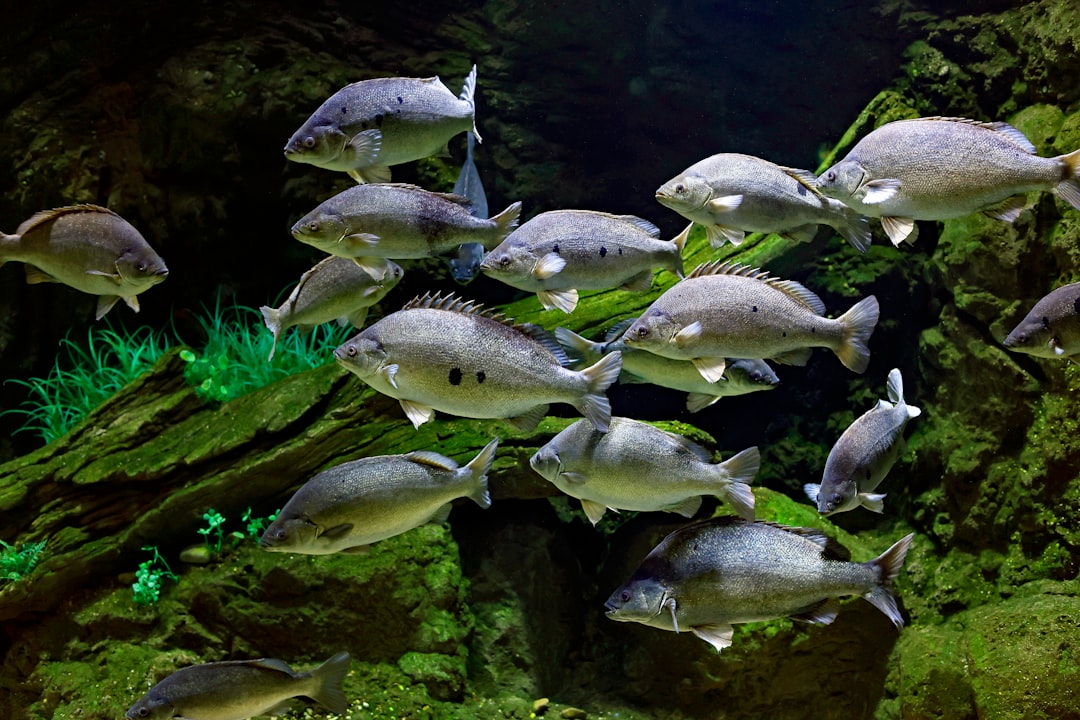
Transforming a compact glass container into a vibrant, living ecosystem is a rewarding endeavor that requires careful planning, particularly when selecting aquatic inhabitants. Small aquariums, typically ranging from five to ten gallons, present unique biological challenges that differ significantly from larger setups. Maintaining stable water parameters in restricted volumes demands a thoughtful stocking strategy, as fluctuations in temperature and chemistry occur much faster. Identifying the best peaceful freshwater fish for small tanks ensures that the livestock remains stress-free while allowing aquarists to build harmonious communities without overcrowding.
Understanding Nano Aquariums and Biological Limits
A common misconception among beginner hobbyists is that smaller water volumes mean less maintenance. In reality, nano aquariums require diligent observation because waste accumulates rapidly in restricted spaces. According to guidelines established by the Official Handbook of Aquarium Biology, the total bioload must remain strictly controlled to prevent ammonia spikes. Biological filtration relies on beneficial bacteria colonies that convert toxic waste into safer compounds, but these systems have strict capacity limits in compact setups.
When evaluating potential species, size is only one factor; swimming behavior and territorial instincts dictate compatibility. Active swimmers that require long stretches for continuous movement will experience stress in confined environments, regardless of their diminutive adult length. Therefore, research into specific species profiles prevents behavioral issues and promotes longevity. Experienced aquascapers often utilize dense planting and driftwood arrangements to break line-of-sight boundaries, which naturally reduces aggression among cautious species.
Top Contenders for Community Nano Tanks
Populating a compact aquatic environment successfully requires selecting species that tolerate close quarters without displaying predatory or territorial behavior. Several exceptional options stand out for their calm demeanor and adaptability to community settings.
Neon Tetras and Cardinal Tetras
Renowned for their striking iridescent blue and red coloration, these schooling species bring visual brilliance to compact setups. They thrive best in groups of six or more, which requires a minimum volume of ten gallons to accommodate their schooling needs. Maintaining slightly acidic water conditions mirrors their natural South American habitats, promoting vibrant coloration and robust immune function. While peaceful toward other species, keeping them in adequate numbers prevents fin-nipping behaviors directed at slower tank mates.
Endlers Livebearers and Guppies
Distinguished by their energetic yet non-aggressive swimming patterns, these colorful fish add constant motion to the middle and upper water columns. Endlers are particularly well-suited for compact enclosures due to their smaller adult size compared to traditional fancy guppies. Providing floating vegetation allows timid females to escape persistent males, ensuring a balanced and peaceful community structure within the biotope.
Corydoras Catfish (Pygmy and Habrosus Varieties)
Bottom dwellers play a critical role in cleaning up leftover foodstuffs, and miniature corydoras species excel in this capacity without disturbing other inhabitants. Unlike larger catfish, pygmy varieties rarely exceed an inch in length and spend their days foraging peacefully across the substrate. Fine sand or smooth-grained gravel protects their sensitive barbels from abrasion, a foundational husbandry requirement highlighted by the Aquatic Veterinary Medical Association.
Selecting the Right Invertebrate Tank Mates
Enhancing biodiversity within a restricted aquatic volume often involves introducing invertebrates that consume algae and detritus without adding significant bioload.
Cherry Shrimp
Cherry shrimp display brilliant red hues that contrast sharply against green aquatic plants. These crustaceans are entirely peaceful and spend their entire day grazing on biofilm, microalgae, and decaying plant matter. Because they lack aggressive defense mechanisms, they require tank mates that cannot fit them into their mouths, making micro-species ideal companions.
Nerite Snails
Nerite snails serve as exceptional algae control agents, consuming stubborn green spot and diatom films from glass panels and hardscape elements. Unlike other freshwater snails, nerites cannot reproduce in freshwater environments, preventing unexpected population booms that could destabilize water chemistry. Their peaceful nature makes them completely harmless to both fish and live plants.
Comprehensive Comparison of Small Tank Species
| Species Name | Minimum Tank Size | Temperament | Primary Water Region | Diet Requirements |
|---|---|---|---|---|
| Neon Tetra | 10 Gallons | Peaceful / Schooling | Mid-Water | Omnivore / Flakes & Micro-Pellets |
| Pygmy Corydoras | 5 Gallons | Peaceful / Shoaling | Bottom | Sinking Wafers / Live Foods |
| Endler Livebearer | 5 Gallons | Peaceful / Active | Upper to Mid-Water | Omnivore / Spirulina-based Foods |
| Cherry Shrimp | 3 Gallons | Peaceful / Invertebrate | Bottom / Surfaces | Biofilm / Algae Wafers |
| Betta Splendens (Single) | 5 Gallons | Solitary / Territorial | All Levels | High-Protein Pellets / Frozen Foods |
Maintaining Water Quality and Biological Stability
The foundation of a thriving aquatic ecosystem rests upon consistent maintenance routines and rigorous water testing protocols. In compact systems, evaporation concentrates dissolved minerals, making top-offs with dechlorinated reverse osmosis or distilled water essential for preventing salinity and hardness spikes. Regular partial water changes—typically twenty to thirty percent weekly—remove accumulated nitrates and replenish essential trace elements required by both flora and fauna.
Filtration choices also dictate success. Hang-on-back filters or small sponge filters provide adequate mechanical and biological filtration without generating excessive current that could exhaust smaller, delicate swimmers. Water flow should remain gentle to simulate the slow-moving streams and flooded forest floors where many nano species originate. Additionally, monitoring temperature fluctuations via a reliable aquarium thermometer prevents thermal shock during seasonal shifts.
Frequently Asked Questions
Can multiple male livebearers be kept together in a five-gallon tank?
Keeping multiple males without females in a very small enclosure often leads to relentless chasing and stress. It is generally recommended to maintain a single male or a balanced ratio if space permits, though a ten-gallon minimum is safer for managing social dynamics.
How many fish can safely inhabit a five-gallon setup?
Due to biological limitations, stocking should remain conservative. A single solitary specimen like a betta, or a small group of three to five dwarf shrimp and micro-rasboras, represents the upper limit for maintaining stable water parameters without risking sudden ammonia accumulation.
What is the best way to introduce new species to an established enclosure?
Acclimation should occur gradually using the drip method over the course of an hour to adjust the livestock to pH, temperature, and hardness differences. This minimizes osmotic shock and supports a smooth transition into the community.
Conclusion
Creating a thriving aquatic display in a restricted volume relies on balancing biological limits with appropriate species selection. By prioritizing peaceful temperaments, adequate group sizes, and rigorous maintenance routines, aquarists can enjoy a vibrant and stable ecosystem. Careful attention to water parameters and thoughtful aquascaping ensures that the inhabitants live long, healthy lives while providing endless visual enjoyment for observers. Future steps involve researching specialized plant species that assist with nutrient export, further solidifying the health and balance of the miniature biotope.
Featured Image Credit: Generated/Sourced via Unsplash.
Disclaimer: This article is AI-generated for informational and educational purposes. While we strive to provide high-quality context and authority, the content should not be used as professional advice. The author/website assumes no liability for external links or factual omissions.