


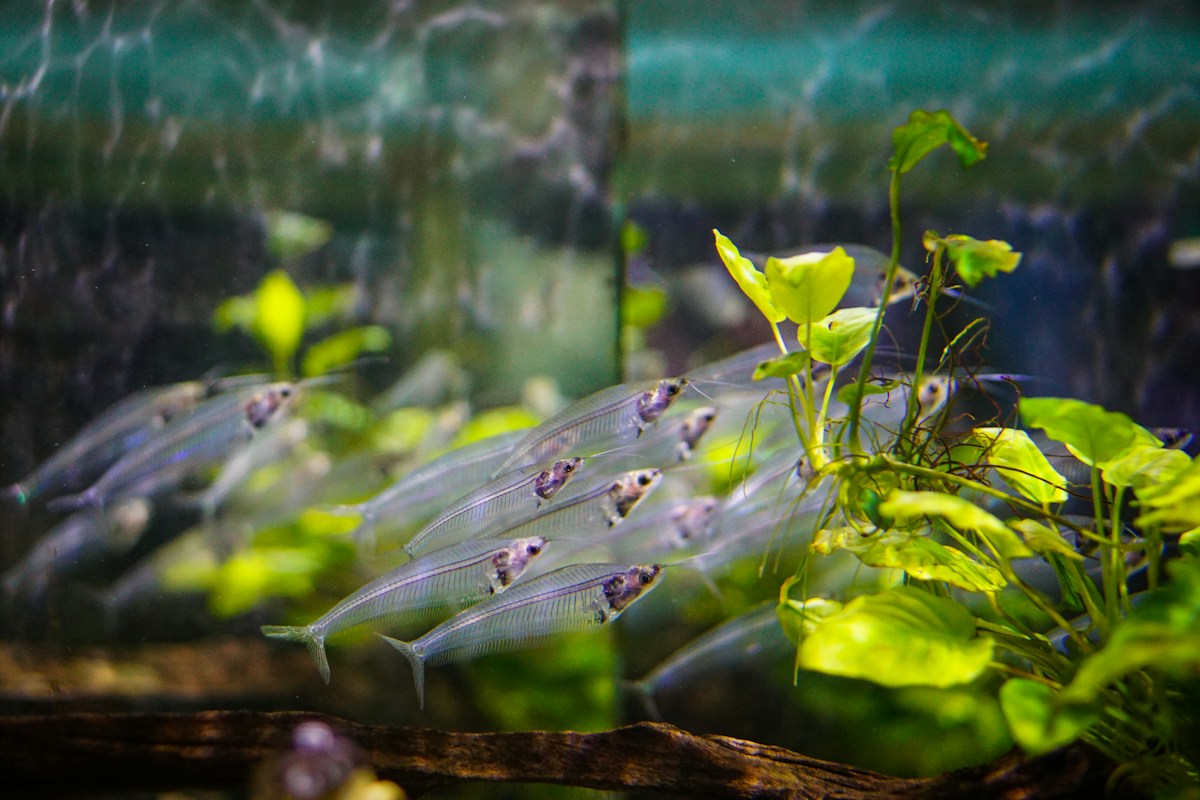
Dwarf suckermouth catfish of the genus *Otocinclus* (predominantly *Otocinclus vittatus*, *O. macrospilus*, and *O. vestitus*) are widely celebrated as the ultimate living algae cleaner in the planted aquarium hobby. Unlike heavy plecostomus species that outgrow standard aquariums and uproot delicate aquascapes, diminutive Otos remain under two inches in length, peacefully grazing microscopic bio-films and diatom coatings without damaging tender aquatic plant leaves.
Beneath their gentle utility lies a heartbreaking reality: *Otocinclus* catfish suffer from notoriously high mortality rates during the first two to three weeks following commercial retail purchase. Novice keepers routinely watch newly acquired specimens waste away and perish despite having tanks visibly coated in algae. This pervasive failure does not stem from environmental fragility, but from systemic physiological starvation experienced during global collection and supply chain transport.
Wild-caught from the tributaries of the Amazon, Orinoco, and Paraná river basins, *Otocinclus* depend on an unbroken intake of specialized periphyton, diatoms, and microscopic biofilm to support an intricate gut microbiome. When starved during prolonged transit holding facilities, this essential intestinal flora collapses, rendering the catfish unable to digest food even if algae is subsequently provided.
Successfully keeping *Otocinclus* requires a rigorous husbandry protocol incorporating established mature tank ecosystems, targeted drip acclimation, specialized supplemental biofilm pastes, and proactive starvation rehabilitation techniques.
The Anatomy of Starvation: Gut Microbiome Collapse
To understand why newly purchased Otos perish in seemingly pristine aquariums, one must examine their unique digestive physiology. As dedicated aufwuchs grazers, *Otocinclus* possess an elongated, highly coiled digestive tract optimized for continuous nutrient extraction from nutrient-poor bio-films, unicellular green algae, and siliceous diatoms.
Digesting this fibrous, mineralized biofilm requires symbiotic anaerobic bacteria resident within the catfish intestines. During commercial wild harvesting in South America, wild specimens are held in bare sorting vats without food for days to prevent water fouling during export flights. In this prolonged fasting state, their intestinal bacterial cultures starve and die off.
When an aquarist purchases an Oto exhibiting a sunken, concave belly (often described as a razor-thin profile), the fish is suffering from irreversible digestive atrophy. Even if placed into an aquarium with green surfaces, the fish lacks the internal bacterial enzymes to metabolize nutrients, leading to starvation-induced organ failure within days. The cardinal rule of acquiring *Otocinclus* is selecting only specimens displaying visibly rounded, plump white bellies resembling a small polished marble.
Water Chemistry and Physiological Oxygen Demands
Wild *Otocinclus* inhabit shallow, slow-moving river margins and flooded forest tangles choked with submerged wood and floating vegetation. While they tolerate a wide pH range (6.0 to 7.5) and soft to moderate hardness ($ 4 to 10 dGH), they are exceptionally intolerant of nitrogenous waste compounds.
Ammonia and nitrite concentrations must be maintained at absolute zero (.0$ ppm). Furthermore, their high metabolic oxygen demand requires clean, highly oxygenated water columns. Deploying gentle surface agitation via canister filter spray bars or sponge filters maintains dissolved oxygen saturation near 100 percent without creating violent currents that exhaust these miniature swimmers.
Establishing the Biofilm Reservoir: Tank Maturity Mandate
An *Otocinclus* catfish must never be introduced into a newly established aquarium. Tanks under three to four months of age lack the mature microbial film layer (aufwuchs) essential for their baseline survival.
While aquarists often purchase Otos to clean up unsightly brown diatom blooms (*Bacillariophyta*) common in new tanks, diatoms alone are insufficient to sustain a social group over months. A mature aquarium features dense populations of unicellular algae, rotifers, protozoans, and bacterial slime matrices adhering to plant leaves, driftwood, and rocks.
Keepers should maintain groups of at least six specimens. In nature, *Otocinclus* shoal in massive loose schools comprising thousands of individuals. Kept singly or in pairs, they experience chronic glucocorticoid stress, refusing to venture onto exposed plant leaves to graze.
Targeted Dietary Supplementation: Beyond Aquarium Algae
Aquarium algae blooms are finite. A healthy group of six Otos will completely strip visible diatoms and soft green algae from a 30-gallon tank in less than two weeks. Aquarists must proactively transition their fish onto commercially prepared and natural vegetable supplements.
The most successful supplemental food is blanched organic zucchini and English cucumber. Slicing fresh zucchini, boiling it for two minutes to break down tough plant cell walls, and securing the slice to the substrate with an aquarium lead weight or stainless steel fork provides an irresistible food station. The zucchini should remain in the tank for 24 hours before removal to prevent water fouling.
Additionally, high-protein and spirulina gel foods (such as Repashy Soil Genter or Super Green) smeared onto smooth river stones and allowed to dry create artificial biofilm stones. Placing these prepared stones into the aquarium stimulates natural grazing instincts and delivers vital lipids, vitamins, and minerals directly to the catfish digestive tract.
Drip Acclimation and Quarantine Protocols
Due to their compromised physiological state upon retail arrival, rapid acclimation methods (such as floating a sealed bag and dumping fish within 15 minutes) cause fatal osmotic shock. Their damaged cellular membranes cannot adjust rapidly to sudden swings in Total Dissolved Solids ($) or pH.
All newly acquired *Otocinclus* must undergo slow drip acclimation over a minimum of 90 to 120 minutes. Siphoning aquarium water through an airline tube regulated with a plastic control valve at two to three drops per second gradually doubles the bag water volume, equilibrating osmotic pressure safely.
During the initial quarantine period, avoid aggressive prophylactic chemical treatments (such as copper-based parasitic medications or harsh formalin dips). *Otocinclus* are scaleless catfish possessing high epidermal permeability; chemical medications irritate gill tissues and further devastate remaining gut bacteria. Prioritize clean water, blanched vegetables, and calm observation.
Maintaining long-term vitality in *Otocinclus* catfish requires strict adherence to dietary, chemical, and physical parameters. The table below outlines core husbandry specifications.
Otocinclus Catfish Care and Nutritional Matrix
| Husbandry Factor | Target Parameter | Nutritional / Ecological Goal | Critical Warning Signs |
|---|---|---|---|
| Abdominal Profile | Plump, rounded white belly | Healthy gut flora and food reserves | Sunken or concave belly indicates fatal starvation |
| Minimum Group Size | 6 – 8 Specimens | Reduces predation anxiety; natural shoaling | Solitary individuals hide and refuse grazing |
| Water Parameters | pH 6.2 – 7.4 | GH 4 – 10 dGH | Replicates Amazonian headwater streams | High nitrates (>20 ppm) cause rapid death |
| Supplemental Feeding | Blanched zucchini, Repashy gel, Bacter AE | Prevents starvation once algae is depleted | Relying purely on tank algae leads to slow death |
| Tank Environment | Mature (3+ months) with live plants | Abundant natural aufwuchs and broad leaves | Sterile new tanks cannot sustain gut flora |
Implementing these clinical feeding and water maintenance steps guarantees long-term survival for your cleaning crew. Review the essential operational inquiries below.
Frequently Asked Questions About Otocinclus Catfish Care
Do Otocinclus catfish eat Black Beard Algae (BBA)?
No, Otos do not eat Black Beard Algae, staghorn algae, or coarse green hair algae. Their delicate rasping mouthparts are adapted exclusively for soft brown diatoms, green dust algae, and microscopic bacterial biofilm.
Why do Otocinclus often die during the first two weeks in a new tank?
Most wild-caught Otos experience severe starvation during export transit, destroying their internal digestive bacteria. In a newly established tank lacking abundant biofilm, they cannot metabolize food and perish from organ failure.
How can you tell if an Otocinclus is healthy at the fish store?
Inspect the underside of the fish when it clings to the glass. A healthy Oto has a plump, rounded white belly resembling a small pearl. Avoid any fish with flat or sunken bellies, as their gut flora is severely compromised.
How many Otocinclus should be kept together?
Keep a minimum group of six specimens. Otos are intensely social shoaling fish that thrive in groups; keeping fewer than six causes chronic stress and skittish hiding behavior.
How do you blanch zucchini for Otocinclus?
Slice fresh zucchini into quarter-inch rounds, place in boiling water for two minutes, and immediately cool in cold water. Weigh the slice down with an aquarium-safe weight and remove after 24 hours.
Can Otocinclus live with aggressive fish?
No, Otos are completely peaceful, defenseless dwarf catfish. They should only be kept with peaceful community species such as small tetras, rasboras, Corydoras, and dwarf shrimp.
Do Otocinclus eat aquarium plants?
No, Otos never eat or damage live aquarium plants. When you see them grazing on leaves, they are meticulously rasping microscopic algae films off the plant cuticle without harming the tissue.
What water temperature is best for Otocinclus?
They thrive in temperatures between 72 and 78 degrees Fahrenheit (22 to 26 degrees Celsius). Water temperatures above 80 degrees reduce dissolved oxygen levels, causing respiratory stress.
Do Otocinclus need driftwood in the aquarium?
While they do not eat raw wood fibers like larger *Panaque* plecos, driftwood surfaces cultivate rich layers of beneficial biofilm and microscopic aufwuchs that Otos graze upon continuously.
Strategic Conclusion and Husbandry Summary
The *Otocinclus* catfish remains an irreplaceable ally in the planted aquarium, delivering unrivaled algae control while exhibiting captivating, gentle shoaling behavior. Overcoming their initial fragility requires understanding their unique nutritional biology, avoiding premature introductions into brand-new tanks, and providing dedicated vegetable supplementation. With conscientious acclimation and mature ecosystems, these miniature marvels thrive for four to six years, maintaining spotless aquatic foliage with quiet devotion.
For additional peer-reviewed anatomical and ecological data on *Otocinclus*, explore resources at the FishBase Taxonomy Database, aquaculture management standards from the Food and Agriculture Organization, and plant care insights at the Aquatic Gardeners Association.