
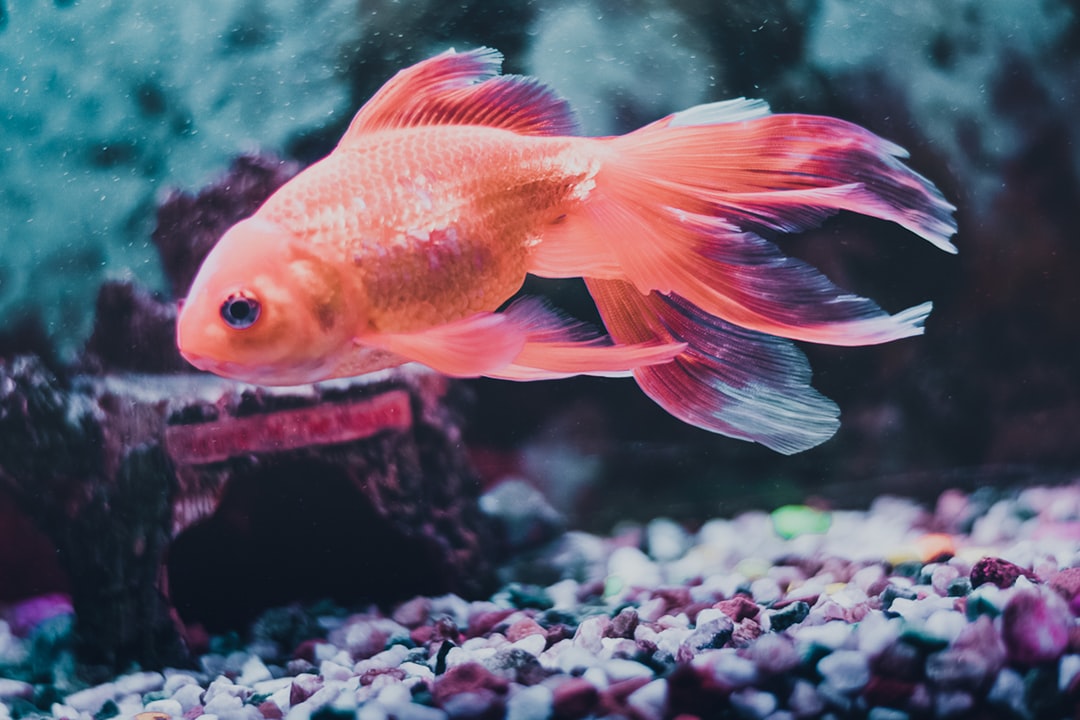
Aquariumkeeping remains one of the most rewarding hobbies available, offering a living piece of aquatic art right in the living room. However, setting up an ecosystem requires precise scientific balance, and beginner mistakes to avoid in a new fish tank can spell the difference between a thriving underwater world and a frustrating experience. Many newcomers enter the hobby with enthusiasm, purchasing a glass enclosure, decorative gravel, and colorful aquatic species on the same afternoon. Unfortunately, rushing the process often leads to high mortality rates, cloudy water, and immense frustration. Understanding the underlying chemistry of water management and animal biology transforms a challenging endeavor into a manageable, highly scientific, and deeply satisfying hobby.
Understanding the Nitrogen Cycle and Biological Filtration
The single most critical concept in aquatic husbandry is the nitrogen cycle, yet it is frequently misunderstood by newcomers. When fish consume food and produce waste, they excrete ammonia, a chemical compound that is highly toxic even in minuscule concentrations. In a natural ecosystem, beneficial bacteria colonize surfaces and convert this toxic ammonia into nitrite, which is also dangerous. A second colony of bacteria then converts nitrite into nitrate, a much safer compound that can be removed through routine water changes.
Rushing this biological process is one of the most detrimental beginner mistakes to avoid in a new fish tank. Adding aquatic life before these bacterial colonies establish leads to “new tank syndrome,” a dangerous chemical spike that causes severe stress or mortality. Establishing this biological filter requires patience, often taking anywhere from four to six weeks. Aquarists can accelerate this timeline using bottled bacterial supplements or by sourcing filter media from an already established, disease-free system. Monitoring water parameters using reliable liquid test kits ensures that ammonia and nitrite levels drop to zero before introducing any livestock.
Choosing the Wrong Tank Size and Equipment
A common misconception among newcomers is that smaller aquariums are easier to maintain. In reality, smaller volumes of water experience rapid chemical and thermal fluctuations. A minor imbalance in a small enclosure can quickly become catastrophic, whereas a larger volume of water provides a natural buffer against sudden parameter swings. Selecting an appropriately sized enclosure, such as a twenty-gallon system or larger, offers a much more stable environment for both fish and plants.
Beyond the glass enclosure, improper filtration and heating choices frequently compromise water quality. Filters must be rated appropriately for the total water volume, ensuring adequate mechanical, chemical, and biological filtration. Furthermore, selecting an unreliable heater can result in dangerous temperature drops or overheating, both of which weaken the immune systems of aquatic life. Investing in quality hardware from the beginning prevents equipment failure and reduces long-term maintenance headaches.
Overstocking and Incompatible Species Selection
The visual appeal of vibrant aquatic species often leads to overstocking, where too many animals are placed into a limited volume of water. Each fish species has specific biological waste loads and spatial requirements. Exceeding the biological capacity of the filtration system results in chronic poor water quality, disease outbreaks, and aggressive territorial behavior. Researching the adult size and social structure of every chosen species before purchase prevents overcrowding and ensures a peaceful community.
Species incompatibility is another frequent pitfall. Combining aggressive predators with docile, slow-moving species creates an environment of constant stress. Additionally, mixing species with vastly different water chemistry requirements—such as keeping soft-water tetras in hard, alkaline water—shortens their lifespans. Careful planning regarding temperament, adult dimensions, and water parameter overlap is essential for a harmonious community enclosure.
Feeding Habits and Overfeeding Issues
Feeding aquatic life seems straightforward, yet improper nutrition management is a primary cause of poor water quality. New aquarists often feed their fish far too much, assuming that constant feeding equals attentive care. Fish generally require only a minute amount of food—an amount they can consume entirely within two minutes.
Uneaten food sinks to the bottom, decomposes, and releases excess nutrients like ammonia and phosphates into the water column. This decaying organic matter acts as fertilizer for unwanted algae blooms and fouls the water chemistry. Establishing a consistent feeding schedule and removing uneaten portions promptly preserves water clarity and protects the biological equilibrium of the system.
Neglecting Routine Maintenance and Water Changes
A common myth is that closed aquatic systems are self-cleaning and require no intervention beyond topping off evaporated water. In reality, evaporation leaves behind minerals and salts, concentrating impurities over time. Neglecting scheduled water changes allows nitrates and organic waste to accumulate to toxic levels.
A standard maintenance routine involves replacing twenty to thirty percent of the water volume every one to two weeks, combined with gentle gravel vacuuming to remove accumulated waste. Skipping these intervals forces fish to live in degraded water conditions, making them highly susceptible to parasites, bacterial infections, and fungal diseases. Consistency in maintenance is the bedrock of long-term aquatic health.
| Mistake Type | Common Consequence | Preventive Action |
|---|---|---|
| Rushing the Nitrogen Cycle | Toxic ammonia and nitrite spikes | Wait 4-6 weeks or use bottled bacteria |
| Overstocking | Poor water quality and aggression | Research adult sizes and bioload limits |
| Overfeeding | Algae blooms and high nitrate levels | Feed only what is consumed in two minutes |
| Skipping Water Changes | Accumulation of toxins and disease | Perform weekly 25% water replacements |
Frequently Asked Questions
How long should a new enclosure run before adding fish?
An enclosure should cycle for approximately four to six weeks to allow beneficial bacterial colonies to establish. Testing the water for zero ammonia, zero nitrite, and detectable nitrate confirms that the biological filter is fully operational.
Why is the water turning green or cloudy?
Cloudy water in a new setup is usually a bacterial bloom, which resolves naturally as the system stabilizes. Green water indicates an algae bloom, typically caused by excessive lighting, overfeeding, or high nutrient levels. Reducing lighting duration and performing water changes helps clear the water.
How often should water changes be performed?
Performing a twenty to thirty percent water change every one to two weeks is standard practice for maintaining optimal water chemistry and removing accumulated organic waste.
Conclusion
Mastering the fundamentals of aquatic husbandry requires patience, scientific awareness, and consistent effort. Recognizing and avoiding early pitfalls ensures a stable environment where aquatic life can thrive for years. By respecting the nitrogen cycle, selecting compatible species, maintaining proper feeding habits, and committing to routine water changes, aquarists build a resilient, beautiful underwater ecosystem. Diligent preparation and ongoing observation remain the most effective tools for achieving long-term success in the fascinating world of fishkeeping.
Featured Image Credit: Generated/Sourced via Unsplash.
Disclaimer: This article is AI-generated for informational and educational purposes. While we strive to provide high-quality context and authority, the content should not be used as professional advice. The author/website assumes no liability for external links or factual omissions.