


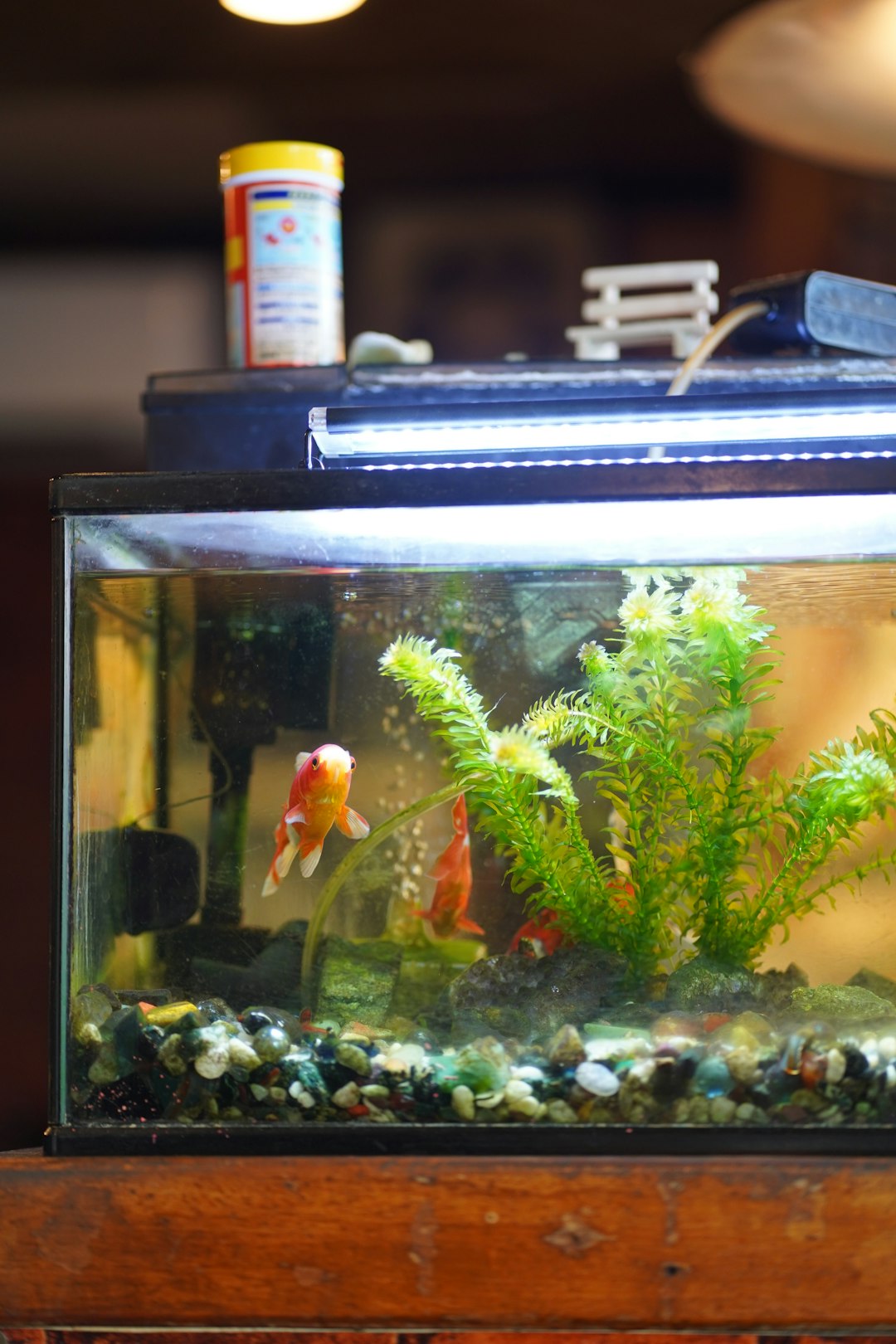
Essential Aquarium Equipment for Beginners: A Complete Setup Guide
Stepping into the hobby of fishkeeping begins with understanding the core hardware required to maintain a thriving aquatic ecosystem. While a glass box filled with water and swimming creatures appears deceptively simple on the surface, keeping that environment stable demands specific mechanical, thermal, and biological support systems. New hobbyists often face an overwhelming array of choices at pet supply stores, making it easy to purchase unnecessary gadgets or, worse, overlook critical safety devices. Building a successful aquatic habitat starts with selecting the right fundamental hardware designed to replicate natural environments while keeping maintenance manageable for newcomers.
Understanding Tank Selection and Sizing
The journey begins with choosing the correct container, where physics and biology intersect. Common misconceptions dictate that smaller tanks require less effort, but aquatic science proves the exact opposite. Larger volumes of water dilute waste products more effectively and provide a buffer against sudden temperature fluctuations or chemical imbalances. A ten-gallon tank represents a practical starting threshold for most freshwater setups, offering enough space for small schooling species without demanding excessive floor space or structural reinforcement from household furniture.
Material choice also requires careful consideration between glass and acrylic. Glass remains the traditional favorite due to its scratch resistance and longevity, though it carries more weight. Acrylic alternatives offer lighter portability and high impact resistance, yet their surfaces scratch easily during routine algae scrubbing. Positioning the enclosure away from direct sunlight prevents unchecked algae blooms driven by natural ultraviolet radiation, while sturdy, level surfaces ensure the structural integrity of the seams under hundreds of pounds of water weight.
Filtration Systems: The Heart of the Ecosystem
Maintaining water clarity and chemical safety relies entirely on a dependable filtration setup. Filtration operates through three distinct mechanisms: mechanical, chemical, and biological. Mechanical filtration traps floating debris, uneaten food, and fish waste through porous filter floss or sponges. Chemical filtration utilizes media like activated carbon to remove discoloration and dissolved odors from the water column. Biological filtration serves as the most critical component, relying on beneficial bacteria that colonize porous surfaces to convert toxic ammonia into less harmful nitrates through the nitrogen cycle.
Several filtration styles cater to different tank designs and user preferences:
- Hang-on-Back (HOB) Filters: Mounted externally on the rear rim of the tank, these units draw water upward, pass it through various media chambers, and return it via a gentle waterfall effect that aids surface oxygenation.
- Sponge Filters: Driven by an external air pump, these simple devices utilize foam blocks that capture debris while providing massive surface areas for beneficial bacteria colonization, making them ideal for fry-rearing or shrimp habitats.
- Canister Filters: Operating as closed pressurized systems hidden beneath the tank cabinet, these heavy-duty units deliver exceptional filtration capacity for larger setups and densely stocked environments.
Water Temperature Control and Heating Mechanics
Most popular freshwater fish originate from tropical regions where ambient temperatures remain consistently warm throughout the year. Sudden drops in water temperature compromise the immune systems of aquatic pets, making them susceptible to common ailments like white spot disease. Reliable glass or titanium heaters equipped with built-in thermostats prevent these thermal shocks by automatically regulating heat output based on real-time water readings.
Selecting the proper wattage depends directly on the volume of water and the temperature difference between the room and the desired tank baseline. A general industry standard recommends approximately five watts of heating power per gallon of water in standard indoor environments. Placing the heating element near areas of high water flow, such as the outflow of a filter, ensures even heat distribution throughout the entire enclosure rather than creating localized warm spots. Thermometers placed on the opposite side of the tank provide constant verification of thermal stability.
Illumination and Aquatic Plant Support
Lighting serves two primary functions in a freshwater setup: providing aesthetic visibility for the observer and driving photosynthesis for live aquatic plants. Modern aquarium lighting relies heavily on energy-efficient Light Emitting Diodes (LEDs) that generate minimal heat while offering customizable spectrums tailored to biological growth. Basic setups housing artificial decorations require simple illumination schedules lasting six to eight hours daily to prevent excessive algae proliferation.
When incorporating live flora, lighting requirements increase significantly. Plants absorb specific wavelengths of light to convert carbon dioxide and water into cellular energy, releasing dissolved oxygen in the process. Adjustable lighting fixtures with programmable timers allow hobbyists to simulate natural daylight cycles, preventing the stress erratic lighting schedules cause to both fish and plant life.
Comparing Essential Hardware Options
| Equipment Type | Primary Function | Maintenance Requirement | Ideal Beginner Choice |
|---|---|---|---|
| Hang-on-Back Filter | Mechanical and biological filtration | Replace cartridge or rinse media monthly | Standard 10 to 20-gallon setups |
| Submersible Heater | Regulates and maintains water temperature | Check calibration and clean glass periodically | Shatterproof glass or titanium with thermostat |
| LED Light Fixture | Illuminates livestock and supports plants | Wipe salt or mineral spray from lenses weekly | Full-spectrum LED with timer capability |
| Air Pump & Stone | Enhances surface agitation and oxygen exchange | Replace worn rubber diaphragms annually | Quiet dual-outlet diaphragm pump |
Water Conditioners and Testing Kits
Tap water treatment represents a non-negotiable step before introducing any aquatic life. Municipal water treatment facilities add chlorine and chloramines to disinfect drinking supplies, but these chemical disinfectants prove fatal to fish and destroy beneficial filter bacteria. Liquid water conditioners instantly neutralize these harmful compounds, rendering tap water safe within minutes of filling the tank.
Monitoring water chemistry requires reliable liquid reagent testing kits rather than unreliable paper test strips. These kits measure pH, ammonia, nitrite, and nitrate levels, giving hobbyists precise data regarding the maturity and stability of the biological filter. Regular water testing prevents catastrophic losses by identifying chemical spikes before they display visible symptoms in the swimming livestock.
Substrate and Decor for Biological Stability
The bottom layer of the enclosure, known as the substrate, performs far more than a purely aesthetic function. Fine aquarium gravel or specialized plant substrates anchor roots and harbor substantial populations of nitrifying bacteria. Inert gravel maintains neutral water chemistry, whereas specialized nutrient-rich soils buffer parameters to accommodate specific plant species.
Decorative elements such as driftwood, smooth rocks, and artificial caves provide essential psychological security for fish. Many species require secluded areas to establish territories, hide from perceived threats, or rest during low-activity periods. Ensuring that all decorative additions are aquarium-safe prevents toxic leaching of minerals or sharp edges that could tear delicate fins.
Frequently Asked Questions
What size fish tank is best for a complete beginner?
A tank holding ten to twenty gallons provides the ideal starting volume. This size offers enough space to maintain stable water parameters while fitting comfortably on standard household furniture without requiring specialized reinforcement.
How long must a new aquarium run before adding fish?
Tanks require a process known as cycling, which typically takes between three to six weeks. This timeframe allows beneficial bacteria colonies to establish inside the filter media and substrate, ensuring they can safely process toxic fish waste.
Do all freshwater fish require a water heater?
Tropical species native to warm climates require stable water temperatures usually ranging between 75 and 80 degrees Fahrenheit. Only coldwater species, such as specific goldfish varieties, tolerate unheated indoor room temperatures.
How often should aquarium water be partially replaced?
Routine maintenance involves replacing approximately twenty to twenty-five percent of the total water volume every one to two weeks. This practice removes accumulated nitrates and replenishes essential trace minerals.
Conclusion
Establishing a successful aquatic habitat demands careful preparation and an understanding of foundational hardware. Selecting appropriate tanks, reliable filtration units, precise thermal controls, and proper lighting creates a stable environment where aquatic life thrives. By prioritizing biological stability and utilizing accurate testing methods, newcomers avoid common pitfalls associated with early setup phases. Investing in quality equipment from the outset ensures long-term success, transforming a simple glass container into a vibrant, self-sustaining ecosystem that brings enduring fascination to any living space.
Featured Image Credit: Generated/Sourced via Unsplash.
Disclaimer: This article is AI-generated for informational and educational purposes. While we strive to provide high-quality context and authority, the content should not be used as professional advice. The author/website assumes no liability for external links or factual omissions.