


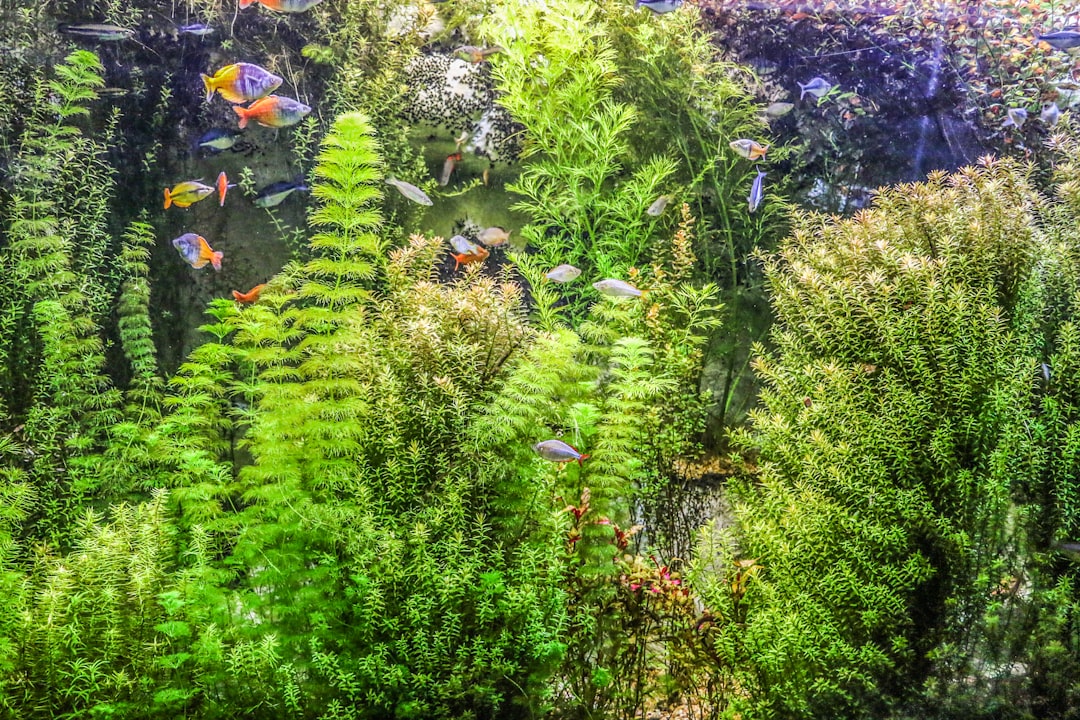
Introduction to Starting a Freshwater Aquarium
The aquatic hobby offers a unique window into complex natural ecosystems, bringing the tranquility of nature directly into a home or office environment. Learning how to start a freshwater aquarium for beginners requires a balanced understanding of biology, chemistry, and routine maintenance rather than just purchasing fish and decorative glass. When setting up a new habitat, hobbyists often underestimate the delicate balance of aquatic ecosystems, which function as miniature versions of natural lakes and rivers. Establishing a successful aquatic environment begins with careful planning, proper equipment selection, and patience during the initial stabilization phase. By approaching the project with scientific principles and structured methods, keepers can create thriving habitats that support vibrant fish populations and lush live plants for years.
Selecting the Right Tank Size and Equipment
Choosing appropriate hardware is the foundation of any successful aquatic setup, directly influencing water stability and maintenance requirements. Larger enclosures generally offer greater biological stability because fluctuations in temperature and chemical parameters occur much more slowly in larger volumes of water. Industry standards often recommend starting with a tank holding at least twenty gallons, as smaller bowls or nano systems demand rigorous monitoring to prevent parameter spikes. Essential hardware components include a reliable glass or acrylic enclosure, a properly sized power or canister filter, a submersible aquarium heater, and an efficient LED lighting fixture. Filtration systems must turn over the total water volume at least four to six times per hour to maintain adequate mechanical, biological, and chemical purification. Selecting equipment certified by independent testing organizations ensures operational safety and long-term reliability in daily operation.
Understanding the Nitrogen Cycle
Biological filtration relies on the nitrogen cycle, an invisible chemical process that transforms toxic fish waste into safer compounds through bacterial colonization. Fish produce ammonia through respiration and waste excretion, which is highly toxic even in extremely low concentrations within closed aquatic systems. Beneficial bacteria known as Nitrosomonas colonize filter media and surfaces to convert harmful ammonia into nitrite, which remains toxic to aquatic life. A second group of bacteria, known as Nitrobacter, subsequently converts nitrite into nitrate, a much less harmful compound that plants consume or hobbyists remove via routine water changes. Establishing these bacterial colonies takes anywhere from three to six weeks, a mandatory waiting period often referred to as cycling the tank. Introducing fish before this biological filter matures leads to acute toxicity, severe stress, and high mortality rates, making patience an absolute requirement for success.
Hardscape Design and Substrate Selection
Creating a functional and visually appealing underwater landscape involves selecting appropriate substrates and hardscape materials that complement intended biological populations. Substrate choices generally include inert gravel, nutrient-rich planted aqusoil, or specialized sand, depending on whether the setup features live flora or artificial decor. Aquascaping materials such as driftwood, dragon stone, or lava rock must be chemically inert unless the objective is to intentionally alter water hardness and pH levels. Hardscape placement should create natural territories, hiding spots, and visual barriers that reduce stress and aggression among territorial fish species. Rinsing substrates thoroughly before placement prevents excessive cloudiness and removes manufacturing residues that could disrupt initial water chemistry parameters. Proper arrangement of rocks and wood also secures open swimming lanes while maintaining necessary circulation patterns throughout the enclosure.
Water Chemistry and Conditioning
Tap water contains chemical disinfectants such as chlorine or chloramines, which must be neutralized using specialized commercial water conditioners before introducing any aquatic life. Monitoring water parameters requires reliable liquid test kits to measure pH, ammonia, nitrite, nitrate, and general or carbonate hardness levels accurately. Most popular freshwater species thrive in moderately soft to hard water with a stable pH range between 6.5 and 7.5, though specific biotopes require distinct parameters. Temperature stability is equally critical; most tropical freshwater species require consistent water temperatures maintained between 75 and 80 degrees Fahrenheit. Performing routine partial water changes of twenty to thirty percent weekly replenishes essential trace minerals while removing accumulated organic pollutants and dissolved waste products.
Choosing Beginner-Friendly Fish and Plants
Stocking an established ecosystem requires careful selection of hardy species that tolerate minor parameter fluctuations while coexisting peacefully within a shared community environment. Peaceful schooling species such as tetras, danios, and corydoras catfish adapt exceptionally well to standard community parameters and active social structures. Live aquatic plants like Java fern, Anubias, and Amazon swords enhance aesthetic appeal while absorbing excess nutrients and providing natural oxygenation during daylight hours. Overstocking remains a primary cause of system failure; calculating stocking density based on the traditional rule of one inch of adult fish per gallon requires moderation and careful planning. Introducing new livestock gradually allows the biological filter adequate time to adapt to increasing bioloads without triggering dangerous ammonia spikes.
| Feature / Parameter | Small Nano Tank (5–10 Gallons) | Medium Community Tank (20–40 Gallons) | Large Display Tank (55+ Gallons) |
|---|---|---|---|
| Water Stability | Low (requires strict daily monitoring) | Moderate (forgiving of minor oversight) | High (maximum biological buffer) |
| Ideal Stocking | Single betta or shrimp colony | Small schooling fish and bottom dwellers | Diverse community with multiple species |
| Maintenance Needs | Frequent small water changes | Standard weekly maintenance | Bi-weekly or monthly structured maintenance |
| Equipment Cost | Budget-friendly initial investment | Moderate investment for balanced performance | Comprehensive investment for heavy filtration |
Routine Maintenance and Troubleshooting
Long-term success depends on consistent maintenance schedules, including glass cleaning, filter maintenance, and gravel vacuuming to remove accumulated detritus. Neglecting routine partial water changes leads to nitrate accumulation and organic buildup, which compromises fish immune systems and encourages algae blooms. Troubleshooting common issues like cloudy water, algae overgrowth, or sudden fish illness involves systematically checking filtration efficiency, feeding habits, and lighting durations. Feeding fish only what they consume within two to three minutes prevents excess food from decaying and destabilizing water quality parameters. Quarantine procedures for newly acquired specimens protect established populations from introducing parasites, bacterial infections, or contagious diseases into the main habitat.
Frequently Asked Questions
How long does it take to cycle a new aquarium?
The biological cycling process typically requires between three and six weeks. During this period, beneficial bacteria establish colonies within the filter media and substrate to process toxic ammonia and nitrite effectively.
Can tap water be used directly in the aquarium?
Tap water must always be treated with a commercial water conditioner to neutralize chlorine and chloramines before it enters the tank. Untreated tap water causes severe chemical damage to fish gills and destroys beneficial bacterial colonies.
How often should aquarium water be changed?
Performing a twenty to thirty percent partial water change every week maintains optimal water quality. This routine removes accumulated nitrates and replenishes essential trace minerals required for aquatic health.
What causes cloudy water in a new setup?
Cloudy water during the initial setup phase is typically caused by bacterial blooms or suspended substrate particles. This condition usually resolves naturally within a few days as the filtration system clears the water column.
Are live plants necessary for a freshwater setup?
Live plants are not strictly mandatory, but they provide substantial benefits including oxygen production, nutrient absorption, and natural hiding spaces. Artificial plants offer an alternative for keepers who prefer simpler maintenance routines.
Conclusion
Establishing a freshwater aquatic environment provides a rewarding educational journey into natural science and captive ecosystem management. Success relies on disciplined preparation, understanding biological filtration principles, and maintaining consistent weekly upkeep routines. By respecting the biological requirements of fish and plants, hobbyists create vibrant underwater displays that offer lasting aesthetic and intellectual fulfillment. Careful adherence to proper setup protocols ensures a stable, thriving habitat that minimizes common pitfalls and maximizes long-term enjoyment of the aquatic hobby.
Featured Image Credit: Generated/Sourced via Unsplash.
Disclaimer: This article is AI-generated for informational and educational purposes. While we strive to provide high-quality context and authority, the content should not be used as professional advice. The author/website assumes no liability for external links or factual omissions.