


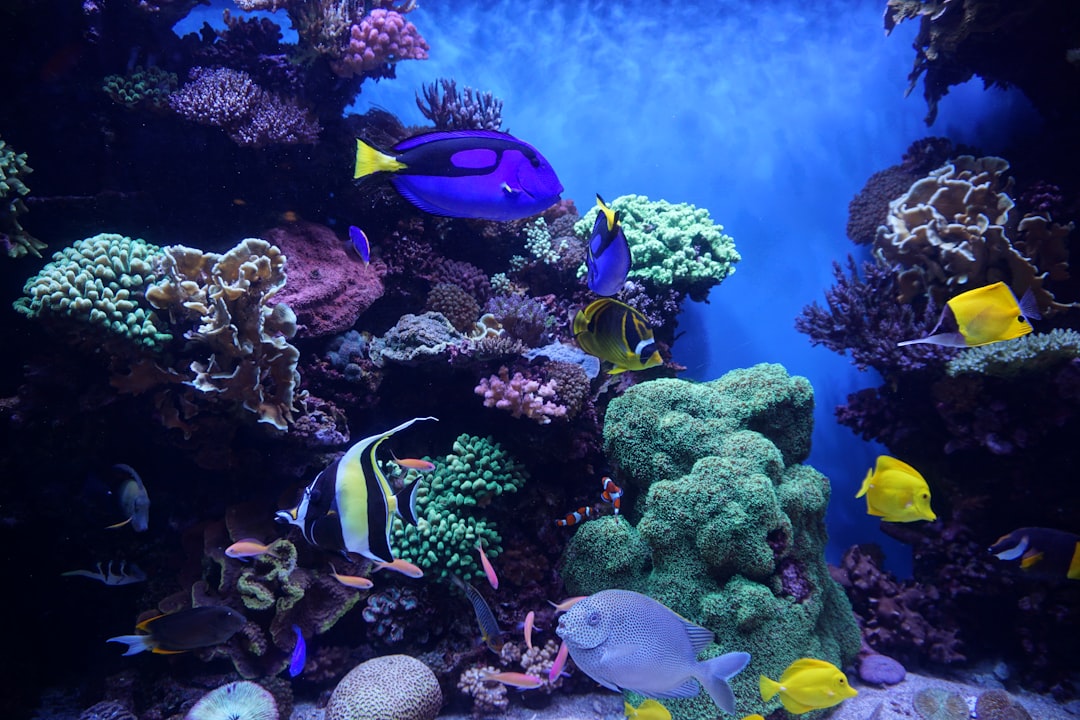
Aquarium keeping stands out as a rewarding hobby that brings a living ecosystem directly into residential spaces. Selecting the correct setup involves much more than simply finding a tank that fits on a living room shelf. When figuring out how to choose the right aquarium size for home environments, hobbyists must balance biological stability, spatial constraints, and the specific needs of aquatic species. Smaller setups often seem attractive due to their compact footprint, yet larger volumes frequently provide a more forgiving environment for water quality management. Understanding the multifaceted relationship between water volume, fish biology, and home architecture ensures a thriving aquatic display.
The Biological Reality of Water Volume and Stability
Water chemistry fluctuates rapidly in restricted volumes. Biological filtration relies on beneficial bacteria breaking down toxic ammonia and nitrites into safer nitrates. In a compact 5-gallon container, minor miscalculations in feeding or a single decaying plant leaf can trigger massive chemical spikes. Conversely, a 55-gallon system possesses a much higher buffering capacity. This larger volume dilutes waste products and thermal fluctuations far more effectively than nano setups.
Professional aquarists frequently reference guidelines established by organizations like the National Aquaculture Association when studying biological loads and stocking densities. Water parameters such as pH, hardness, and temperature remain remarkably stable when total water volume increases. This stability directly reduces stress on inhabitants, leading to longer lifespans and vibrant coloration. Evaluating the biological dynamics of aquatic systems highlights why experienced keepers often recommend starting with a medium to large volume rather than a micro tank.
Evaluating Spatial Constraints and Floor Load Capacities
Placing a glass box filled with water inside a residence requires careful structural assessment. Water weighs approximately 8.34 pounds per gallon, meaning a standard 75-gallon tank weighs well over 800 pounds once substrate, decorations, and heavy glass walls are factored into the equation. Residential floor joists must be capable of supporting concentrated weight without sagging.
Floor placement matters significantly. Tanks positioned perpendicular to floor joists distribute weight across multiple structural supports, whereas parallel placement can strain a single joist. Homeowners should consult architectural blueprints or review standards outlined by the American Society of Civil Engineers regarding safe floor load limits in residential properties. Furthermore, environmental factors near the chosen location require close observation. Direct sunlight hitting glass surfaces encourages rapid algae blooms, while drafty hallways near exterior doors cause sudden temperature swings that stress tropical livestock.
Fish Species Selection and Swimming Space Requirements
Livestock selection directly dictates minimum spatial requirements. Active schooling species, such as neon tetras or danios, require horizontal swimming distance rather than vertical height. A long 20-gallon tank suits these active swimmers much better than a tall, cube-shaped container of the same volume. Conversely, angelfish demand significant vertical clearance due to their tall finnage.
Overcrowding remains a primary cause of disease and territorial aggression in home aquariums. Territorial species, including many cichlids, require distinct demarcation zones and larger footprints to establish territories and minimize physical conflict. Researching adult sizes rather than juvenile dimensions prevents future housing crises. Many common pet store species grow significantly larger than their initial purchase size, necessitating pre-planned upgrades or properly sized initial enclosures.
Comparing Aquarium Sizes for Residential Spaces
| Tank Size Category | Water Volume Range | Best Suited For | Key Maintenance Considerations |
|---|---|---|---|
| Nano Tanks | Under 10 Gallons | Single betta fish, shrimp, small planted scapes | Requires daily top-offs and strict testing due to rapid evaporation and parameter swings. |
| Small Systems | 10 to 29 Gallons | Small community fish, nano schools, beginner setups | Manageable weight; forgiving enough for beginners while fitting on standard sturdy furniture. |
| Medium Systems | 30 to 75 Gallons | Community community setups, medium cichlids, planted tanks | Excellent biological stability; requires dedicated aquarium stands and moderate equipment investments. |
| Large Systems | 75+ Gallons | Large species, heavy bioloads, advanced marine setups | Demands structural floor verification, dedicated electrical circuits, and significant water change efforts. |
Equipment Logistics and Ongoing Maintenance Demands
Hardware integration scales directly with water volume. Larger setups require robust filtration systems, powerful heaters, and specialized lighting fixtures capable of penetrating deep water columns. Canister filters, sump systems, and hang-on-back power filters must match the flow rates and biological demands of the specific tank volume.
Maintenance routines also shift depending on scale. Performing a twenty-percent water change on a 10-gallon container takes minimal effort using a small siphon. However, servicing a 125-gallon display involves moving substantial quantities of water, utilizing long hoses connected to sink faucets, and handling large gravel vacuums. Factoring in the physical labor and time commitment required for weekly maintenance ensures that the chosen display remains an enjoyable hobby rather than an exhausting chore.
Frequently Asked Questions
What is the best aquarium size for beginners?
Systems holding between 20 and 40 gallons generally offer the optimal balance for beginners. This size range provides enough water volume to buffer minor care mistakes without presenting the heavy lifting and structural challenges associated with massive displays.
Do larger aquariums require less cleaning?
While larger water volumes dilute waste more effectively and maintain stable chemistry longer, they still require regular maintenance. The total physical labor involved in water changes and filter cleaning actually increases as tank size grows, even though the frequency of biological emergencies decreases.
How do I check if my floor can support a heavy aquarium?
Homeowners can inspect crawlspaces or basements to determine the orientation of floor joists. Placing heavy setups near load-bearing walls or perpendicular to joists minimizes structural stress. Consulting a structural engineer is recommended for exceptionally large tanks exceeding 100 gallons.
Can I put a fish tank on normal household furniture?
Standard furniture like bookshelves or coffee tables is rarely designed to support hundreds of pounds of continuous dead weight. Aquariums require specialized stands engineered to distribute weight evenly down to the floor.
Conclusion
Navigating how to choose the right aquarium size for home environments demands careful consideration of biology, physics, and lifestyle practicality. Balancing water volume with the biological needs of chosen species ensures a thriving, low-stress aquatic ecosystem. Evaluating structural floor capacities and equipment logistics protects both the residential property and the livestock housed within the display. Through methodical planning and realistic assessments of space and maintenance time, hobbyists can establish a stunning underwater feature that enhances any living area for years to come.
Featured Image Credit: Generated/Sourced via Unsplash.
Disclaimer: This article is AI-generated for informational and educational purposes. While we strive to provide high-quality context and authority, the content should not be used as professional advice. The author/website assumes no liability for external links or factual omissions.