


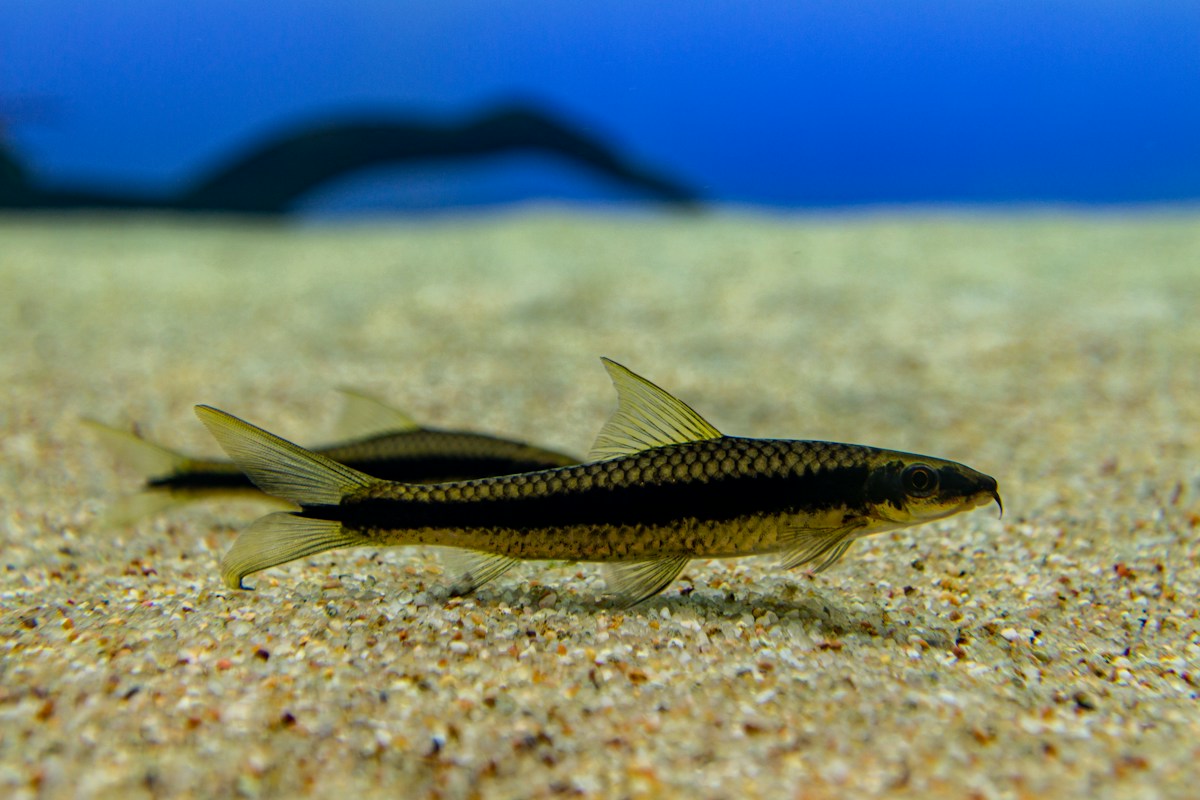
Discovered in 2006 in the high-altitude wetlands of Myanmar, the *Celestial Pearl Danio* (*Danio margaritatus*, formerly *Celestichthys margaritatus*) stunned the global aquarium hobby with its jewel-like brilliance. Sporting midnight-blue flanks studded with pearlescent ivory dots and electric-crimson fin rays lined in jet black, this diminutive cyprinid earned the commercial moniker Galaxy Rasbora. Despite its breathtaking appearance, the species was initially misunderstood, leading to widespread husbandry failures due to inappropriate water chemistry and aggressive community pairings.
Reaching an adult size of barely 0.8 to 1.0 inches (2.0 to 2.5 cm), *Danio margaritatus* is an ideal nano aquascape inhabitant, yet it possesses a distinct behavioral and physiological profile. Contrary to popular assumptions that tropical Asian fish require soft, acidic water, wild CPD populations inhabit shallow, spring-fed ponds carved into limestone karst plateaus near Hopong, characterized by cool, slightly alkaline, and mineral-rich waters packed with dense aquatic vegetation.
Keeping Celestial Pearl Danios in vibrant health requires meticulous attention to social schooling hierarchies, micro-predator nutrition, dense botanical aquascaping, and dedicated spawning setups. In an improperly configured aquarium with large, boisterous tankmates, these shy micro-fish retreat permanently into background shadows, lose coloration, and starve under competitive feeding pressures.
This masterclass guide provides clinical parameters, micro-diet regimens, aquascape layout blueprints, and breeding protocols to cultivate thriving breeding colonies of this iconic micro-gem.
Biotope Hydrochemistry: The Alkaline Karst Paradox
One of the most persistent errors in fishkeeping literature is classifying the Celestial Pearl Danio as a softwater blackwater cyprinid. In their native Shan Plateau habitats situated over 1,000 meters above sea level, CPDs navigate clear, shallow springs fed by groundwater percolating through porous limestone karst formations.
Field limnological studies cited by the FishBase Global Information System reveal that native waters maintain a moderate to hard mineral profile, with General Hardness ($) measuring between 8 and 15 dGH, Carbonate Hardness ($) ranging from 5 to 10 dKH, and a neutral to moderately alkaline pH between 7.2 and 7.8. Subjecting CPDs to ultra-soft, strongly acidic conditions (< pH 6.2) compromises gill cellular osmoregulation and weakens bone calcification.
Furthermore, altitude moderates their thermal environment. While they tolerate standard tropical temperatures, their metabolic sweet spot spans 68 to 74 degrees Fahrenheit (20 to 23 degrees Celsius). Maintaining them under prolonged elevated temperatures (>78 degrees Fahrenheit) accelerates their metabolism, shortening their natural three to five year lifespan and triggering premature reproductive senescence.
Aquascape Architecture and Plant Density
In nature, Celestial Pearl Danios congregate in shallow pools barely thirty centimeters deep, completely choked with dense tangles of *Elodea*, *Hydrilla*, and aquatic pondweeds. Emulating this biotope requires a heavily planted nano or display aquarium featuring dense groupings of fine-leafed stem plants (*Rotala rotundifolia*, *Mayaca fluviatilis*) and epiphytic root structures.
Open, barren aquariums induce intense chronic stress. When provided with dense plant thickets and floating root curtains (*Phyllanthus fluitans*, *Salvinia minima*), CPDs feel secure and venture into open swimming lanes, displaying full coloration and engaging in fascinating social sparring.
Social Dynamics: Male Sparring and Colony Hierarchy
Celestial Pearl Danios are not strictly continuous synchronous schooling fish like neon tetras; rather, they form loose social shoals governed by complex male territorial hierarchies. Male CPDs establish micro-territories centered around dense plant patches or spawning moss clumps.
When rival males encounter one another at territorial borders, they engage in a mesmerizing visual ritual known as parallel sparring. Erecting their brilliant red dorsal, anal, and pelvic fins, the males flare their gill covers, darken their navy flanks, and circle each other in rapid, synchronized corkscrew dances. These bouts are purely ritualistic displays of fitness, resulting in zero physical damage while establishing reproductive dominance.
To prevent dominant alpha males from harassing subordinate specimens, CPDs must be kept in groups of at least 10 to 15 individuals, with an ideal sex ratio of two females per male. The sheer population density disperses territorial energy, encouraging all males to exhibit optimal breeding coloration.
Micro-Predator Nutrition: Live Cultures and Granule Sizing
In the wild, *Danio margaritatus* operates as a dedicated micro-predator, feeding continuously on micro-crustaceans, aquatic insect larvae, copepods, and benthic infusoria. In the home aquarium, their terminal mouths are exceptionally tiny, meaning standard flake foods or large pellets cannot be physically swallowed.
Optimal vitality requires tiny sinking micro-granules (0.2 to 0.5 mm) enriched with astaxanthin to intensify their carotenoid-based red fin pigmentation. However, dry diets must be heavily supplemented with live and frozen micro-prey.
Live freshly hatched Baby Brine Shrimp (*Artemia* nauplii), *Moina*, vinegar eels, and banana worms elicit vigorous predatory feeding responses. Providing live feeds twice daily stimulates egg production in females and drives males into peak reproductive condition.
Reproductive Biology and Spawning Mop Protocols
Celestial Pearl Danios are continuous egg scatterers, depositing small batches of adhesive, transparent eggs among fine-leaved plants on a daily basis without parental care. In a standard community or display tank, adult Danios and tankmates relentlessly hunt down and consume their own eggs within minutes of release.
Dedicated breeding requires the deployment of a targeted spawning chamber or synthetic spawning mops. A traditional spawning mop constructed from boiled, 100 percent dark green acrylic yarn suspended in a shallow container allows females to deposit eggs deep within yarn crevices where adult snouts cannot reach.
Alternatively, keepers place a shallow plastic tray filled with coarse Java moss (*Taxiphyllum barbieri*) and covered with a plastic grid mesh (0.25-inch openings) along the substrate. Females deposit 10 to 30 eggs daily through the mesh, dropping safely onto the container floor. Eggs hatch in 72 to 96 hours at 72 degrees Fahrenheit, yielding microscopic, transparent free-swimming larvae that demand paramecium or green-water infusoria for their first seven days of life.
Cultivating Celestial Pearl Danios requires balancing water parameters, dietary needs, and compatible tankmates. The diagnostic matrix below outlines critical husbandry standards.
Celestial Pearl Danio Husbandry and Care Matrix
| Husbandry Parameter | Target Range / Specification | Ecological Rationale | Critical Pitfalls to Avoid |
|---|---|---|---|
| Water Temperature | 68°F – 74°F (20°C – 23°C) | High-altitude Myanmar spring biotope | Temperatures >78°F accelerate mortality |
| pH and Hardness | pH 7.2 – 7.8 | GH 8 – 14 dGH | Limestone karst groundwater mineralization | Ultra-soft acid water induces osmotic collapse |
| Minimum Colony Size | 10 – 15 Specimens (1:2 M:F) | Disperses male competitive sparring | Small groups (<6) result in extreme timidity |
| Primary Nutrition | Live BBS, Moina, 0.3mm micro-bites | Obligate micro-predator mouth gape | Coarse flakes cause progressive starvation |
| Compatible Tankmates | Neocaridina shrimp, Otocinclus, Boraras | Non-predatory, peaceful micro-fauna | Active tetras, barbs outcompete for food |
Adhering to these biological parameters unlocks the full aesthetic splendor and breeding potential of this micro-species. Review the crucial care inquiries below.
Frequently Asked Questions About Celestial Pearl Danios
Are Celestial Pearl Danios schoolers or shoaling fish?
CPDs are loose shoalers rather than tight schoolers. Males carve out small vegetative territories and spar visually with neighbors, while females browse through plants in loose social aggregations.
Can Celestial Pearl Danios live with dwarf shrimp?
Yes, CPDs cohabitate exceptionally well with adult Neocaridina and Caridina shrimp. While they may opportunistic hunt tiny newly hatched shrimplets, a well-planted tank allows shrimp colonies to expand continuously.
Why do newly purchased CPDs look pale and washed out?
Transport stress, bare retail store tanks, and lack of cover cause Danios to suppress melanin and carotenoid pigments. In a mature planted tank with floating plants and live foods, their brilliant colors return within a week.
What is the minimum tank size for a group of Celestial Pearl Danios?
A 10-gallon aquarium is the practical minimum for a colony of 10 to 12 specimens. This volume provides adequate swimming space, territorial boundaries among plants, and stable water quality.
How do you tell male and female CPDs apart?
Males feature deep midnight-blue flanks, bright red fin coloration with intense black banding, and slender profiles. Females have paler blue-green coloration, muted orange-tinted fins, and noticeably rounder, plumper bellies with a dark anal spot when gravid.
Do Celestial Pearl Danios eat their own eggs?
Yes, like most cyprinids, CPDs are voracious egg predators and will immediately eat newly laid eggs. Spawning mops or egg traps with protective mesh must be utilized to preserve spawns.
What temperature causes health problems in CPDs?
Water temperatures consistently exceeding 78 to 80 degrees Fahrenheit cause thermal stress, elevated oxygen demand, and early organ failure. They prefer cooler room temperatures between 68 and 74 degrees.
What is the best first food for Celestial Pearl Danio fry?
Newly hatched fry are microscopic and have tiny mouths. They require live cultured infusoria, paramecia, or green water for the first seven days before they can consume newly hatched baby brine shrimp.
Why are my Celestial Pearl Danios hiding all the time?
Hiding indicates insufficient plant cover, overly bright unshaded lighting, boisterous tankmates, or too small of a shoal. Increasing group size to 12+ and adding floating plants immediately draws them into the open.
Strategic Conclusion and Micro-Aquascaping Masterclass
The Celestial Pearl Danio remains one of the crowning triumphs of modern freshwater aquarium keeping. By recognizing their preference for cool, mineral-rich karst waters, providing dense botanical sanctuary, and feeding species-appropriate micro-prey, aquarists can maintain vibrant colonies that display intricate social courtship for years. Their diminutive stature paired with majestic coloration makes *Danio margaritatus* an enduring icon of nano-aquascaping excellence.
For more detailed taxonomy and wild conservation data on *Danio margaritatus*, review scientific records at the FishBase Consortium, habitat ecological surveys from the Food and Agriculture Organization Fisheries Department, and aquatic planting guidelines at the Aquatic Gardeners Association.