


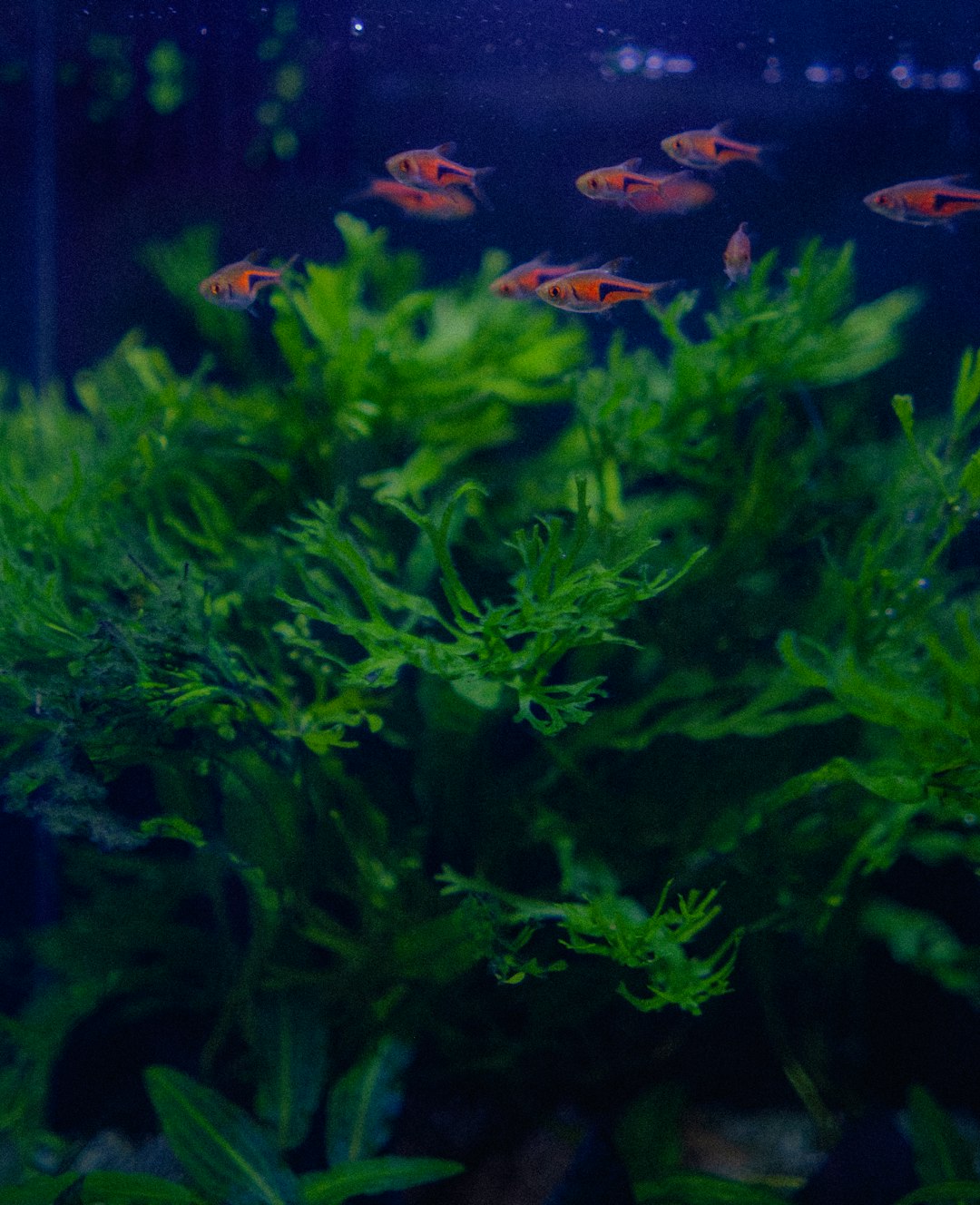
Aquascaping often carries a reputation for being an expensive, highly technical hobby requiring pressurized carbon dioxide injection, specialized lighting rigs, and meticulous daily dosing schedules. For many newcomers, this perceived complexity prevents them from transitioning from bare glass tanks to lush, living ecosystems. However, establishing a vibrant underwater garden does not require advanced botanical expertise or industrial-grade equipment. Selecting the right species changes everything, transforming an intimidating chore into a remarkably relaxing hobby. Embracing low maintenance aquarium plants for beginners allows aquarists to enjoy the aesthetic and biological benefits of live greenery without the steep learning curve or constant troubleshooting.
Live aquatic flora serves functions far beyond mere decoration. Incorporating these organisms into a freshwater setup introduces a powerful biological filter that actively consumes toxic nitrogen compounds. As fish waste breaks down, it produces ammonia, which beneficial bacteria convert into nitrites and subsequently nitrates. While high nitrate levels can stress livestock and trigger algae blooms, live vegetation absorbs these nutrients directly through leaves and roots, using them for cellular growth. This natural nutrient export mechanism stabilizes water parameters, reduces the frequency of necessary water changes, and creates a more balanced, resilient environment that closely mimics natural aquatic habitats.
Understanding the Fundamentals of Low-Tech Planted Tanks
Operating a low-tech planted aquarium means relying on natural light cycles, ambient room temperature, and standard tap water rather than specialized additives or high-intensity fixtures. This approach aligns closely with ecological principles documented by agricultural extension services regarding aquatic weed management and freshwater ecology. Without carbon dioxide injection, plant growth rates naturally slow down, which paradoxically makes maintenance much easier. Slow-growing species require fewer trimmings, produce less organic waste, and adapt far better to fluctuating water conditions than their high-tech counterparts.
Selecting substrate is another critical decision for beginners, though low-maintenance setups offer immense flexibility. Many hardy aquatic species do not even require nutrient-rich aqusoil because they draw their sustenance directly from the water column rather than the substrate. Rhizome plants, for instance, absorb minerals through specialized water-borne structures, meaning they can thrive attached to driftwood or rocks. For rooted varieties, a simple layer of fine gravel or coarse sand combined with occasional root tabs provides all the necessary foundation for sustained, healthy growth without muddying the water during cleanings.
Top Hardy Species for New Aquarists
Anubias is universally regarded as a staple for newcomers due to its exceptional resilience and adaptability. Characterized by thick, leathery dark green leaves, this West African native tolerates low light levels and irregular fertilization schedules with remarkable ease. The defining botanical feature of Anubias is its thick horizontal stem, known as a rhizome. Burying this rhizome in sand or gravel causes the plant to rot and perish, which is why experienced aquascapers recommend tying or gluing Anubias to hardscape elements like driftwood or lava rock using aquarium-safe cyanoacrylate gel.
| Plant Name | Lighting Requirement | Placement in Tank | Growth Rate |
|---|---|---|---|
| Anubias Nana | Low | Attached to Hardscape | Slow |
| Java Fern | Low to Medium | Attached to Hardscape | Slow |
| Amazon Sword | Medium | Background | Moderate |
| Vallisneria | Low to Medium | Background | Fast |
| Java Moss | Low | Carpeting / Accents | Slow to Moderate |
Java Fern, scientifically known as Microsorum pteropus, shares many of the same indestructible qualities as Anubias. Featuring long, elegantly rippled fronds, Java Fern anchors itself similarly via a creeping rhizome and flourishes in shaded areas of the aquarium. It adapts exceptionally well to a wide range of pH levels and water hardness parameters. Propagation occurs naturally through small adventitious plantlets that sprout directly from the tips of mature leaves. Once these baby ferns develop a few tiny roots and leaves, they can be gently detached and secured elsewhere in the aquascape, providing a continuous supply of greenery at no additional cost.
Navigating Background and Carpeting Options
Creating depth in an aquarium layout requires taller species positioned along the rear glass to obscure equipment like heaters and filter intakes. The Amazon Sword stands out as a classic background plant that develops an extensive root system and broad, vibrant green leaves. Because Amazon Swords are heavy root feeders, placing a nutrient-rich root tab beneath them stimulates robust development. Their substantial size and dense foliage also offer excellent hiding spots for shy fish species, contributing to a more natural and stress-free community tank environment.
Vallisneria, commonly referred to as eelgrass or tape grass, represents another outstanding background choice that introduces vertical movement through its ribbon-like blades. This species spreads horizontally via underground runners, gradually forming a dense wall of green that sways gently with the water current generated by powerheads or filter returns. Vallisneria prefers moderately hard water and alkaline conditions, making it exceptionally compatible with standard municipal tap water across many geographic regions. Its rapid uptake of free-floating nutrients also makes it a formidable competitor against nuisance algae.
Establishing Optimal Water Chemistry and Lighting
Managing lighting duration is perhaps the single most important factor in maintaining a clean, algae-free planted tank. New aquarists frequently make the mistake of leaving aquarium lights illuminated for ten to twelve hours daily, which inevitably triggers explosive green water or filamentous algae outbreaks. Setting aquarium lights on an automated timer for six to eight hours per day provides adequate photosynthetic energy for hardy plants while starving unwanted algae of excess light. Standard LED fixtures included with most modern starter kits offer more than enough PAR (Photosynthetically Active Radiation) for low-light species.
Water temperature and filtration play supporting roles in plant health. Most beginner-friendly aquatic flora thrives within a standard tropical temperature range of 72 to 78 degrees Fahrenheit. Excessive water flow can damage delicate foliage or dislodge unanchored stems, so adjusting filter outputs to create a gentle, circulating current ensures even nutrient distribution without causing physical stress. Routine water changes of twenty to thirty percent weekly replenish essential trace elements like calcium, magnesium, and potassium, keeping plants vibrant and preventing mineral depletion.
Comprehensive Troubleshooting for Common Plant Issues
Even the most resilient aquatic plants occasionally exhibit symptoms of nutrient deficiency or environmental stress. Yellowing lower leaves frequently indicate a shortage of mobile nutrients such as nitrogen or potassium, which can be easily corrected with a comprehensive liquid fertilizer dosed according to manufacturer instructions. Conversely, pinholes or translucent patches on leaves often point toward a potassium deficiency. Observing these visual indicators allows aquarists to diagnose issues early and make targeted adjustments rather than overhauling the entire system.
Algae management remains a universal concern for aquatic hobbyists. When nuisance algae appears on plant leaves, it usually signifies an imbalance in the ratio of light, carbon dioxide, and available nutrients. Rather than resorting to harsh chemical algaecides that can harm sensitive fish or delicate flora, addressing the root cause yields better long-term results. Introducing herbivorous cleanup crew members, such as Nerite snails or Caridina shrimp, helps consume soft film algae naturally. Reducing photoperiods and increasing the frequency of organic waste removal through substrate vacuuming further restores equilibrium.
Frequently Asked Questions
Do low maintenance aquarium plants require specialized soil?
No, most hardy beginner plants do not require specialized aquasoil. Species like Anubias and Java Fern absorb nutrients directly from the water column and grow attached to wood or rocks. Root-feeding species benefit from standard gravel mixed with root tabs.
Can these plants survive without artificial fertilizers?
Many beginner plants survive using nutrients derived from fish waste and standard tap water. However, providing an occasional dose of all-in-one liquid fertilizer ensures optimal coloration and prevents common mineral deficiencies over time.
How do I prevent algae growth in a planted tank?
Limiting daily lighting to six to eight hours, performing regular partial water changes, and avoiding overfeeding livestock are the most effective methods for preventing unwanted algae blooms.
Do I need a carbon dioxide injection system?
Carbon dioxide injection is entirely optional for low-tech tanks. The species discussed in this guide are specifically selected for their ability to thrive in low-energy environments without pressurized gas systems.
Conclusion
Establishing a living aquatic ecosystem is a deeply rewarding endeavor that brings a slice of natural serenity directly into indoor living spaces. Selecting appropriate low maintenance aquarium plants for beginners removes the intimidation factor traditionally associated with aquascaping, allowing anyone to cultivate a thriving underwater garden. By focusing on hardy, adaptable species that require minimal intervention, aquarists build resilient biological systems that practically care for themselves. Through careful observation of lighting schedules, routine water maintenance, and thoughtful placement, a balanced and visually stunning freshwater habitat remains entirely achievable for novices and experienced hobbyists alike.
Featured Image Credit: Generated/Sourced via Unsplash.
Disclaimer: This article is AI-generated for informational and educational purposes. While we strive to provide high-quality context and authority, the content should not be used as professional advice. The author/website assumes no liability for external links or factual omissions.