


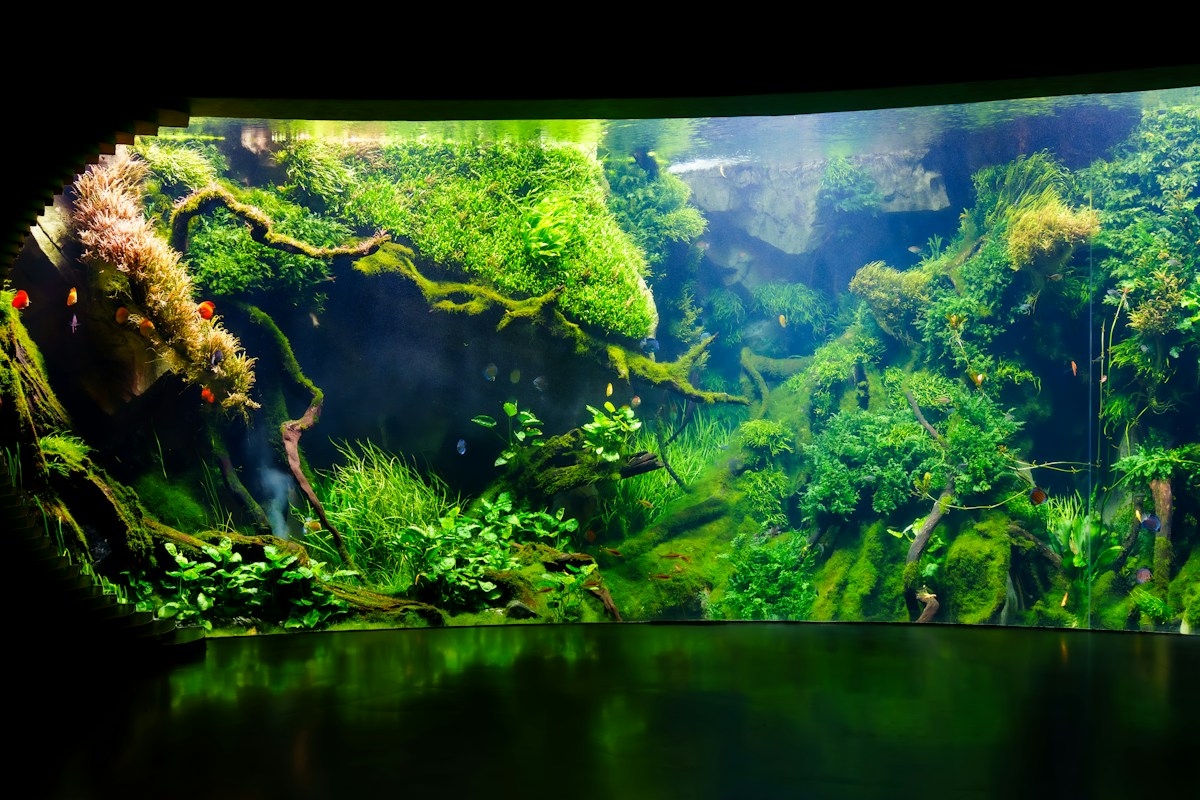
Pioneered by the late Takashi Amano and codified within the philosophy of the Nature Aquarium, the Ryuboku aquascaping style embodies the ancient, dynamic grandeur of wild riverbeds and primeval forests. Centered upon the dramatic, sculptural interplay of weathered driftwood roots (*ryuboku* literally translating to ‘driftwood’ in Japanese), this design discipline captures the serene wabi-sabi aesthetic of transience, organic weathering, and natural imperfections.
Creating an authentic Ryuboku layout is fundamentally distinct from casually leaning a few branches against the aquarium glass. It is an exercise in structural tension, negative space calibration, and fluid branch dynamics. When properly composed, the twisting branches guide the viewer eye through a compelling visual narrative of ancient submerged root systems clutching mossy riverbanks.
Yet, executing a long-term Ryuboku aquascape presents substantial biological and chemical challenges. Raw natural woods leach massive quantities of dark humic tannins, release white fungal saprolegnia blooms, and alter water chemistry, while porous wood surfaces demand specialized epiphytic plant attachment strategies to prevent rot.
By mastering wood selection physics, structural anchoring mechanics, shadow play topography, and epiphytic botanical layering, aquarists can forge a breathtaking, timeless underwater sanctuary that grows more magnificent with age.
Hardscape Anatomy: Selecting the Right Driftwood Species
The choice of wood species dictates not only the aesthetic character of the Ryuboku composition, but also its long-term structural durability and chemical influence on the water column.
Spider Wood (Azalea Root): Highly popular for intricate nano and high-detail layouts, Spider Wood features sprawling, tentacle-like branches and fine root twists. It allows aquarists to build intricate, reaching branch gestures. However, it is exceptionally lightweight and buoyant, requiring weeks of soaking or physical slate anchoring to remain submerged, and it invariably produces a harmless white fungal bloom during its first month underwater.
Malaysian Bogwood and Mopani Wood: Exceptionally dense, heavy hardwood that sinks instantaneously without pre-soaking. Characterized by gnarly, furrowed contours and deep dual-tone chocolate coloring, Mopani wood leaches massive concentrations of natural humic acids and tannins, naturally acidifying water chemistry and creating authentic blackwater aesthetics.
Manzanita Wood: The premier choice for grand, branching tree-like silhouettes. Incredibly dense with smooth, red-brown bark, Manzanita branches resist rot for years, providing clean, dramatic diagonals that slice across the water column without shedding soft wood fibers.
Structural Mechanics: Anchoring Buoyant Wood and Countering Torque
A frequent beginner disaster is pouring water into a freshly completed layout only to watch the entire driftwood hardscape violently dislodge, smashing against the glass and scattering substrate. High-surface-area root wood can exert dozens of pounds of buoyant upward torque.
Securing Ryuboku hardscape requires engineered mechanical anchoring. Aquarists screw or bond the base of heavy main branches to flat sheets of neutral slate or acrylic using marine-grade stainless-steel screws or aquarium-safe cyanoacrylate glue paired with cigarette filters or cotton pads as structural substrate rebar. The heavy base substrate is then piled atop the slate plates, permanently pinning the wood beneath hundreds of pounds of volcanic soil.
Compositional Architecture: Flow Lines and Shadow Play
A master Ryuboku layout adheres to the natural directionality of water currents. All primary driftwood branches must flow in a cohesive, unified vector – either radiating outward from a single focal point (Island layout) or sweeping dramatically across the tank in a sweeping diagonal (Triangular composition).
Chaotic, intersecting branches pointing in contradictory directions create visual dissonance. The branches should mimic roots clawing against a torrential river current, bending toward the prevailing flow.
Furthermore, Ryuboku masters intentionally exploit shadow play. Dense wood overhangs cast natural deep shadows across the substrate, creating high-contrast visual zones. Shade-tolerant species, such as *Anubias barteri* var. *nana* ‘Petite’ and *Cryptocoryne*, should be tucked directly into these shadowed under-canopies, while light-loving stem plants burst toward the illumination above the wood crests.
Epiphytic Botanical Layering: The Glue and Thread Method
In a Ryuboku aquascape, plants are rarely buried in the substrate; they are integrated directly onto the wood structure itself as epiphytic colonies.
The primary epiphytic triad comprises aquatic mosses (*Taxiphyllum barbieri*, *Fissidens fontanus*), Java Ferns (*Microsorum pteropus* varieties), and *Bucephalandra*. The thick, crawling rhizomes of these species must never be buried beneath the soil; burying the green rhizome suffocates the plant and causes catastrophic crown rot.
Instead, aquarists secure epiphytic rhizomes into wood crevices using dab-and-press cyanoacrylate gel techniques or fine dark cotton thread. Within four to six weeks, the plants extend fine clinging roots that anchor tenaciously into microscopic wood pores, while mosses carpet branch joints in lush emerald velvet.
Selecting the ideal wood and epiphytic plant pairings ensures long-term structural integrity and visual grandeur. Review the Ryuboku design matrix below.
Ryuboku Driftwood and Epiphytic Architecture Matrix
| Driftwood Variety | Structural Density | Tannin Leaching Profile | Optimal Epiphytic Pairing | Ideal Compositional Style |
|---|---|---|---|---|
| Spider Wood (Azalea) | Lightweight (Highly buoyant) | Low to Moderate (Fungal bloom) | Fissidens fontanus, Weeping Moss | Complex branching roots; tree scapes |
| Manzanita Wood | Extremely Dense (Heavy) | Very Low (Minimal staining) | Anubias nana ‘Petite’, Bucephalandra | Sweeping diagonal riverbed vectors |
| Malaysian Bogwood | Dense (Sinks immediately) | Extremely High (Deep amber tea) | Microsorum pteropus ‘Trident’ | Massive primeval tree trunks; Amazon scapes |
| Horn Wood / Black Wood | High (Heavy, angular) | Moderate (Gradual release) | Bolbitis heudelotii, Java Moss | Traditional Amano-style Nature Aquariums |
| Cholla Wood | Soft, Hollow Skeleton | Low (Breaks down in 1-2 years) | Christmas Moss, Riccardia | Nano shrimp feeding shelters |
Executing these architectural principles creates enduring natural depth. Review the essential care inquiries below.
Frequently Asked Questions About Ryuboku Aquascaping
Why does new driftwood grow a fuzzy white slime underwater?
This harmless white fuzzy film is a saprophytic fungal bloom feeding on residual sap and organic sugars inside new wood. It is completely safe, does not harm fish, and is eagerly eaten by Amano shrimp, snails, and Otocinclus catfish.
How do you stop driftwood from floating?
Pre-soak the wood in a large tub for two to four weeks until fully waterlogged, weigh it down with heavy rocks, or screw the base to a flat piece of slate that is buried under the substrate.
How can you remove dark tannins from driftwood quickly?
Boil the wood in a large pot for several hours before placement, conduct frequent 50 percent water changes, or place a pouch of Seachem Purigen in the filter to adsorb tannins within 24 hours.
Can you bury Anubias or Java Fern roots in the soil?
No. You must never bury the thick green horizontal stem (the rhizome) under the substrate; burying the rhizome suffocates the plant and causes it to rot. Attach them to the driftwood with glue or thread.
What type of glue is safe for attaching moss to driftwood?
Any standard cyanoacrylate gel glue (Super Glue gel) is 100 percent aquarium-safe and cures instantly upon contact with wet wood without releasing toxic solvents.
How long does driftwood last in an aquarium before rotting?
Quality hardwoods like Malaysian bogwood, Mopani, and Manzanita easily last five to ten years or longer underwater without decomposing.
What is the difference between Iwagumi and Ryuboku styles?
Iwagumi focuses strictly on minimalist stone layouts with carpeting plants, while Ryuboku centers on dramatic driftwood root structures adorned with moss, ferns, and epiphytes.
Does driftwood lower aquarium pH?
Yes. As driftwood leaches organic humic and tannic acids, it naturally binds carbonate ions, softening the water and slightly lowering pH, which is ideal for tropical softwater fish.
Why are all branches angled in the same direction in Ryuboku?
Unifying branch direction creates a powerful sense of natural flow and current, making the aquascape feel organic and cohesive rather than artificial and chaotic.
Strategic Conclusion and Organic Harmony
The Ryuboku style is the poetic heart of the Nature Aquarium, weaving the raw, weathered beauty of terrestrial forests into dynamic aquatic sanctuaries. By respecting the natural grain and flow lines of driftwood, providing robust structural anchoring, and adorning twisting branches with lush epiphytic ferns and mosses, aquarists build living art that evolves with grace. A master Ryuboku layout is a timeless homage to nature untamed resilience.
For more architectural concepts and plant care protocols, consult publications from the Aquatic Gardeners Association, botanical forestry research at the University of Florida IFAS Extension, and global aquatic habitat records from the FishBase Consortium.