
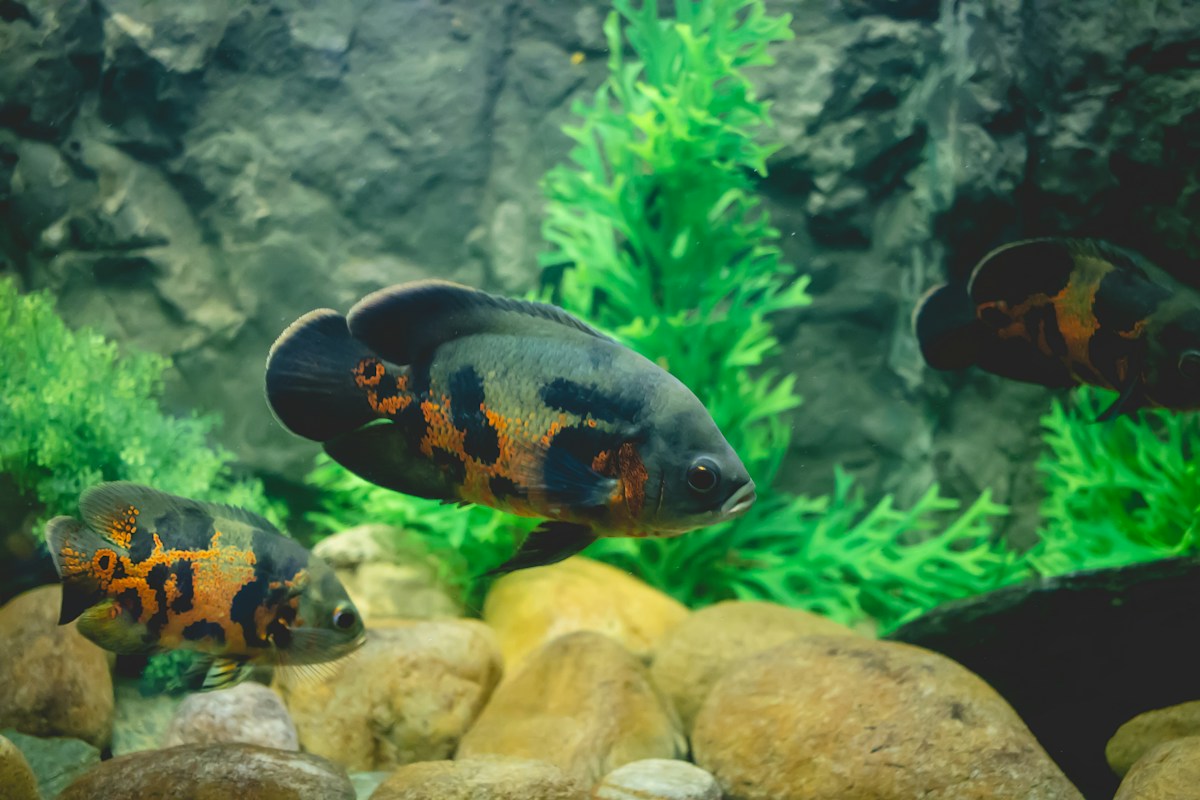
Among the most disfiguring chronic pathologies encountered in large cichlid husbandry, Hole-in-the-Head (HITH) disease – scientifically characterized as Head and Lateral Line Erosion (HLLE) – evokes immense distress among aquarists. Striking prized specimens including Discus (*Symphysodon*), Angelfish (*Pterophyllum*), Oscars (*Astronotus ocellatus*), and Geophagus, this condition manifests as pitting sensory pore craters along the cranial lateral line system, exuding white necrotic mucus that slowly erodes facial cartilage.
For decades, veterinary pathologists and aquaculturists debated the exact etiology of HITH, attributing it alternately to parasitic protozoans, dietary avitaminosis, stray electrical voltage, or poor water quality. Today, clinical consensus confirms that HITH is a multifactorial systemic syndrome initiated by the intestinal flagellate protozoan *Hexamita* (*Spironucleus vortens*), compounded by chronic micro-mineral deficiencies and activated carbon dust exposure.
Left untreated, intestinal flagellates compromise the digestive lining, blocking the cellular absorption of essential minerals – particularly calcium, phosphorus, and vitamin D3. To maintain baseline blood calcium levels, the fish body is forced to mobilize minerals by resorbing its own cranial skeletal matrix, causing sensory canal collapse.
Eradicating HITH demands a clinical dual-track protocol: oral therapeutic intervention using Metronidazole to eradicate flagellates within the digestive tract, coupled with intensive nutritional remineralization and environmental purification.
The Pathological Mechanism: Spironucleus vortens and Mineral Resorption
The primary infectious organism driving internal HITH pathology is *Spironucleus vortens* (formerly classified within the genus *Hexamita*). These microscopic, diplomonad flagellates are opportunistic intestinal commensals resident in low numbers within many healthy cichlids.
When environmental stress, chronic organic waste exposure, or nutritional deficiencies suppress the host immune system, *Spironucleus* populations explode exponentially. Thousands of flagellates attach to the enterocytes lining the upper intestinal lumen, causing severe catarrhal enteritis. In this inflamed state, the fish intestine loses the ability to absorb divalent cations (specifically calcium and magnesium) and fat-soluble vitamins.
According to clinical veterinary studies published by the University of Florida IFAS Extension Aquatic Pathology Laboratory, when dietary mineral assimilation drops below physiological thresholds, the fish endocrine system triggers parathyroid-like osteoclastic mineral scavenging. The fish body metabolizes and reabsorbs the cartiliginous plates supporting the cephalic sensory pits and lateral line canals, resulting in deep, pit-like facial ulcers.
Secondary Lesions and White Necrotic Mucus
As the cranial sensory pores erode open, opportunistic bacteria (*Aeromonas*, *Pseudomonas*) and secondary saprophytic fungi invade the exposed cartilage. The crater-like pits fill with thick, white, stringy exudate consisting of sloughed epithelial cells, white blood cells, and flagellate cysts.
Simultaneously, the fish exhibits classic internal hexamitiasis symptoms: profound anorexia, dark body coloration, progressive dorsal emaciation (‘knife-back syndrome’), and the excretion of long, white, segmented, gelatinous fecal casts composed of stripped intestinal lining.
Pharmacological Intervention: Metronidazole Administration Protocols
Treating HITH through simple water-column dosing is largely ineffective unless the fish has completely ceased feeding. Because *Spironucleus* resides inside the intestinal tract, therapeutic drug concentrations must be delivered directly to the gut lumen.
The gold standard pharmacological agent is Metronidazole, a synthetic nitroimidazole antimicrobial that selectively disrupts protozoan DNA synthesis under anaerobic conditions. For fish that are still accepting food, Metronidazole must be administered via medicated feed.
Aquarists prepare medicated feed by blending 250 mg of pharmaceutical-grade Metronidazole powder with one tablespoon of frozen bloodworms or high-protein pellets, binding the medication with Seachem Focus (a polymer binder) or pure gelatin to prevent water leaching. This medicated diet is fed exclusively twice daily for 10 to 14 consecutive days.
If the specimen is completely anorexic, water-column treatment is mandatory: dosed at 25 to 30 mg per gallon (approximately 250 to 500 mg per 10 gallons) every 48 hours for three consecutive treatments, accompanied by 30 percent water changes prior to each redose. Because Metronidazole is photodegradable, aquarium UV sterilizers and intense display lighting must remain powered off during the treatment cycle.
Nutritional Rehabilitation and Trace Mineral Remineralization
Eliminating the flagellates is only half the cure; the eroded cranial cartilage cannot regenerate without aggressive dietary supplementation. Medicated treatments must be followed by a six-week nutritional rehabilitation phase.
Diets should be enriched with high-potency liquid multivitamins containing vitamin C (ascorbic acid) to promote collagen synthesis and vitamin D3 to facilitate calcium uptake. Soaking food in pure marine chlorella or spirulina pastes delivers bioavailable trace minerals that accelerate pore closure.
Furthermore, aquarists must eliminate all fine, low-grade bituminous coal activated carbon from the filtration system. Veterinary research confirms that microscopic sub-micron carbon dust particles circulate through filter pads, lodging in the sensory pores of cichlids and causing mechanical irritation that directly accelerates Head and Lateral Line Erosion.
Successfully diagnosing and reversing Hole-in-the-Head disease requires a structured clinical staging protocol. Review the treatment matrix below.
Hole-in-the-Head (HITH / HLLE) Clinical Staging and Treatment Matrix
| Pathological Stage | Visible Clinical Symptoms | Internal Pathology | Primary Medical Action |
|---|---|---|---|
| Stage 1: Early Intestinal Infection | White stringy feces; darkening color; subtle pinholes | Spironucleus proliferation in intestinal mucosa | Oral Metronidazole-bound food (10 days) |
| Stage 2: Active Pore Erosion | Enlarged cranial craters; white necrotic mucus discharge | Osteoclastic mineral resorption; secondary bacterial colonization | Oral Metronidazole + Water Kanamycin dip |
| Stage 3: Anorexic Lateral Erosion | Complete food refusal; knife-back wasting; lateral line pits | Systemic intestinal lining sloughing; severe avitaminosis | Hospital tank: Metronidazole bath (30 mg/gal) |
| Stage 4: Post-Parasitic Recovery | Appetite returns; normal dark feces; clean craters | Gut mucosa regenerates; mineral uptake active | Vitamin C, D3, and Calcium remineralization |
| Environmental Reset | Tissue healing; gradual pit closure | Full cellular remineralization | Remove dusty carbon; keep nitrates <10 ppm |
Executing this clinical protocol arrests tissue destruction and promotes complete cranial healing. Review the crucial care inquiries below.
Frequently Asked Questions About Hole-in-the-Head Disease
Is Hole-in-the-Head disease contagious to other fish?
The flagellate protozoan *Spironucleus* can be passed through the water column or ingested from contaminated feces. However, clinical disease only develops in fish experiencing chronic immune suppression, poor water quality, or malnutrition.
Can activated carbon really cause Hole-in-the-Head?
Yes. Veterinary studies demonstrate that micro-fine dust shed from low-grade bituminous coal carbon irritates the sensitive cranial sensory pores of cichlids, triggering lateral line erosion. Always rinse carbon or use synthetic resins like Purigen.
Do the sensory holes in the head ever completely heal?
In early to moderate stages, once the parasite is eradicated and vitamins C and D3 are supplemented, the tissue will slowly regenerate and close over several months. In severe chronic cases, minor scar tissue depressions may remain permanently.
Why are Oscars and Discus so susceptible to HITH?
Large cichlids have extensive, highly developed cephalic sensory canal systems with high metabolic mineral turnover. They are also prone to dietary deficiencies when fed monochromatic pellet diets.
What is the difference between HITH and lateral line disease?
They are manifestations of the exact same pathology (HLLE). When erosion occurs primarily on the face, it is called Hole-in-the-Head; when it spreads along the flank sensory pores, it is called lateral line erosion.
Can you treat HITH with aquarium salt alone?
No. While salt aids osmoregulation, it cannot eradicate internal flagellates residing within the gut lining. Targeted Metronidazole therapy is required.
Why does an infected fish produce white stringy feces?
The stringy white casts are not worms; they consist of necrotic intestinal mucosal tissue and sloughed mucous lining shedding due to intense flagellate irritation.
Does stray electrical voltage from heaters cause HITH?
While stray voltage can induce chronic stress that dampens the immune system, it is an environmental stressor rather than the primary cause. Installing a titanium grounding probe can eliminate stray currents.
How long should Metronidazole be fed to treat Hexamita?
Medicated feed should be administered exclusively twice daily for a minimum of 10 days, and up to 14 days, to ensure that all dormant protozoan cysts within the gut lining are destroyed.
Strategic Conclusion and Clinical Stewardship
Hole-in-the-Head disease is a stark reminder that external symptoms often originate from deep internal physiological and environmental distress. Moving beyond superficial topical remedies to address intestinal flagellate pathology, dietary mineral availability, and pure water maintenance restores health and vitality to prized cichlids. With disciplined Metronidazole administration and vitamin enrichment, even severely eroded specimens can make astonishing recoveries.
For more veterinary clinical literature on aquatic protozoan diseases and cichlid pathology, examine publications from the University of Florida Veterinary Extension, fish health manuals from the Food and Agriculture Organization, and cichlid husbandry archives at the FishBase Database.