


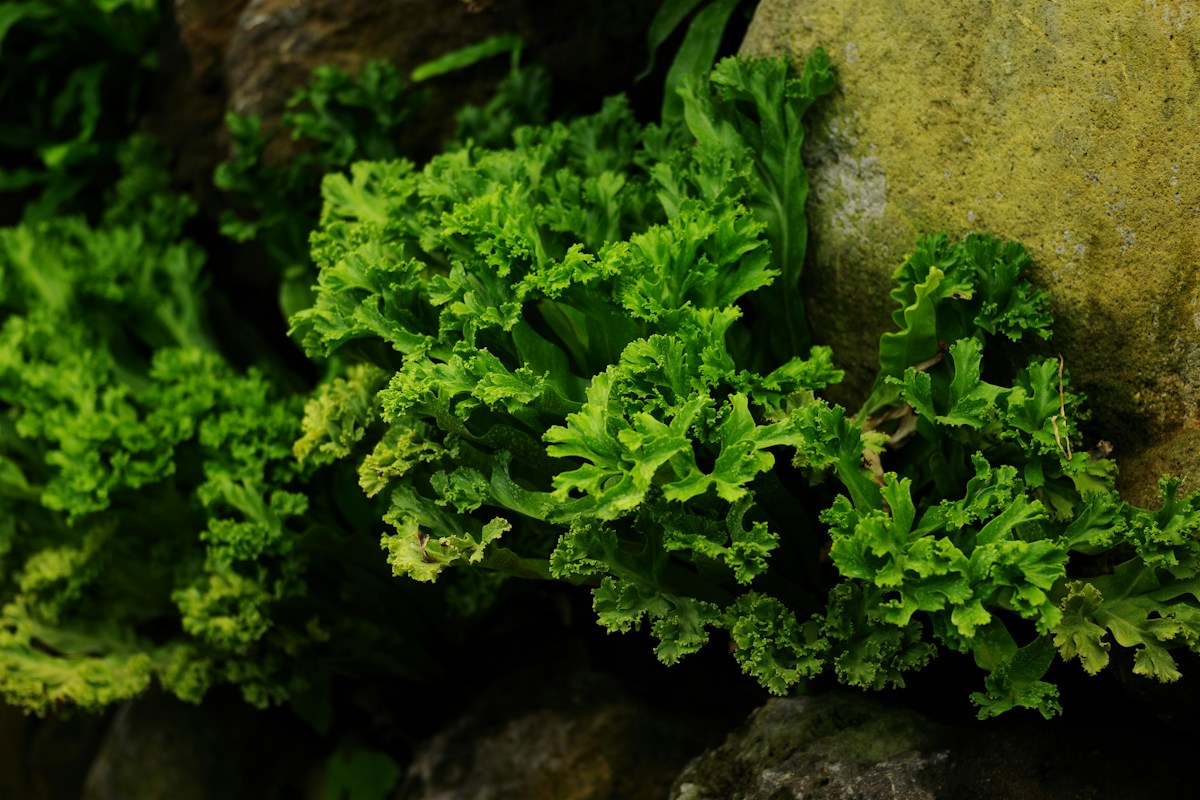
Branching intricately like miniature deer antlers across the margins of slow-growing aquatic plants, filter outflows, and hardscape crevices, Staghorn Algae (*Compsopogon caeruleus*) is one of the most tenacious red algae (*Rhodophyta*) species encountered in freshwater aquaria. Exhibiting a coarse, rubbery texture ranging in hue from pale ash-grey to deep slate-blue, this stubborn epiphyte bonds fiercely to plant cuticles, resisting manual removal and standard clean-up crews alike.
Unlike soft green dust algae or diatom films, Staghorn Algae cannot be scraped away easily with fingers or siphons. Tearing it from the leaves of *Anubias*, *Bucephalandra*, or *Echinodorus* frequently shreds the underlying plant tissue, leaving open wounds vulnerable to necrotic decay. Furthermore, common herbivores including Otocinclus, Nerite snails, and standard community fish refuse to graze upon its unpalatable, mucilaginous cellular filaments.
Staghorn outbreaks are not random occurrences; they are clinical environmental symptoms of specific geochemical and physical imbalances within the aquarium. Research demonstrates that *Compsopogon* flourishes under localized hydraulic dead zones combined with fluctuating dissolved carbon dioxide ($) gradients and excess unchelated ferric iron (^{3+}$) precipitates.
Eliminating Staghorn Algae permanently demands a multi-pronged therapeutic strategy combining spot-dosing protocols using liquid carbon (glutaraldehyde) or hydrogen peroxide, calibration of iron dosing regimens, and fluid dynamic optimization to restore pristine vegetative growth.
The Biology of Rhodophyta: Why Staghorn Algae Resists Herbivores
Despite appearing grey, blue, or almost black to the naked eye, Staghorn Algae belongs to the phylum *Rhodophyta* (red algae). Its distinctive pigmentation is produced by accessory photosynthetic phycobiliproteins – specifically phycoerythrin (which reflects red light) and phycocyanin (which reflects blue light) – masking its underlying chlorophyll *a*.
A classic diagnostic test for red algae involves placing a plucked sample into a small cup of pure isopropyl alcohol or boiling water: within minutes, the masking proteins denature, causing the tuft to turn a vivid, unmistakable crimson red.
Staghorn filaments possess an unusually tough, multiseriate cortex composed of complex sulfated galactans and cellulose fibers impregnated with mineral deposits. This rubbery cellular architecture makes it physically unpalatable to standard herbivorous fish and dwarf shrimp, which lack the jaw strength or enzymatic capacity to shear the tough branches.
Geochemical Triggers: Iron Accumulation and CO2 Fluctuation
The primary geochemical catalyst for *Compsopogon* outbreaks is an imbalance in trace iron availability coupled with erratic dissolved gas exchange. In high-tech planted aquascapes, aquarists often over-dose liquid micro-nutrient fertilizers containing iron chelates (EDTA, DTPA, or gluconate).
When high-energy light fixtures break down commercial iron chelates faster than plant roots can absorb them, free ferric iron (^{3+}$) precipitates into the water column. While higher vascular plants struggle to assimilate unchelated iron, primitive red algae thrive on it, utilizing free iron to fuel rapid branching growth.
Compounding this trace element imbalance is unstable carbon dioxide injection. When drop checkers fluctuate wildly from dark blue to lime green due to uncalibrated solenoids, poor gas dissolution, or turbulent surface off-gassing, aquatic plant photosynthetic cycles stall. Staghorn spores exploit this metabolic window, establishing footholds along the edges of struggling plant leaves.
Therapeutic Spot-Dosing Protocols: Hydrogen Peroxide and Glutaraldehyde
Because herbivorous cleanup crews rarely eradicate established Staghorn Algae, direct chemical intervention is required to weaken its cellular membranes. Two therapeutic agents provide safe, targeted efficacy: 3 percent medicinal hydrogen peroxide ($) and liquid carbon solutions containing glutaraldehyde.
The cardinal rule of spot-dosing is local delivery with zero water current. Before treatment, all aquarium filters, circulation powerheads, and aeration pumps must be powered off completely for 15 minutes, allowing the water column to become completely motionless.
Using a plastic syringe or calibrated pipette, the aquarist delivers 3 percent hydrogen peroxide directly onto the algae tufts at a maximum daily dosage of 1.5 to 2.0 mL per gallon of actual tank water. Alternatively, glutaraldehyde can be spot-dosed at standard single-dose rates. When applied directly onto the filaments in still water, intense oxidation occurs: the hydrogen peroxide oxidizes the delicate cell walls, causing microscopic bubbling on the algae surface.
Within 24 to 48 hours following spot treatment, the tough grey filaments lose cellular turgor, transitioning from slate-grey to a soft, dying pink or translucent white. In this compromised, dying state, the algae unpalatable defense compounds break down, allowing Amano shrimp (*Caridina multidentata*) to greedily devour every remaining scrap within days.
Calibrating Water Circulation and Biological Filtration
Staghorn Algae displays a strong affinity for areas with either stagnant dead flow (where organic detritus settles onto leaves) or the direct high-velocity blast of a filter outflow rich in suspended particulate matter. Directing canister filter outflows through wide lily pipes or broad spray bars distributes laminar current evenly, eliminating dead zones while preventing focused mechanical shear.
Furthermore, thorough biological filter maintenance is essential. Dirty canister filters packed with decomposing organic sludge leak dissolved organic carbon (DOC) and ammonium ions into the water, providing the ideal chemical nursery for red algae spores. Rinsing mechanical foams in old aquarium water every four weeks eliminates this hidden organic reservoir.
Erasing Staghorn Algae requires systematically identifying and correcting environmental triggers. Review the diagnostic operational matrix below.
Staghorn Algae Treatment and Prevention Matrix
| Intervention Axis | Diagnostic Trigger | Therapeutic Action | Post-Treatment Milestone |
|---|---|---|---|
| Chemical Spot-Treatment | Dense branching grey tufts on plant edges | Spot-dose 3% H2O2 (1.5 mL/gal) with filters off | Algae turns bright pink/white within 48 hours |
| Trace Element Control | Excess liquid iron dosing (>0.2 ppm Fe) | Halve micro-nutrient dosing for 2-3 weeks | Halts emergence of new branch shoots |
| Carbon Dioxide Stability | Drop checker fluctuates green to blue | Tune CO2 needle valve for solid 30 ppm lime green | Vigorous plant pearling; outcompetes spores |
| Biological Cleanup | Pink, dying algae remains on leaves | Deploy Amano shrimp (1 per 2-3 gallons) | Shrimp consume dead, softened filaments |
| Filter Sludge Remediation | High dissolved organics; clogged foams | Rinse canister media in aquarium water | Eliminates organic nutrient triggers |
Executing this targeted protocol permanently eradicates Staghorn Algae. Review the essential care inquiries below.
Frequently Asked Questions About Staghorn Algae
Why is Staghorn Algae classified as a red algae if it looks grey?
Staghorn Algae (*Compsopogon caeruleus*) belongs to the red algae phylum (*Rhodophyta*). Its natural red color is masked by accessory blue pigments (phycocyanin); dropping a sample in rubbing alcohol turns it bright red.
Do any fish or shrimp eat living Staghorn Algae?
Healthy, living Staghorn Algae is tough, rubbery, and chemically unpalatable to almost all aquatic life. Only after it has been treated with hydrogen peroxide or liquid carbon will Amano shrimp readily eat it.
How does hydrogen peroxide kill Staghorn Algae without harming fish?
When spot-dosed with filters turned off, 3 percent H2O2 oxidizes the primitive cellular membranes of the algae on contact, then rapidly breaks down into harmless water and oxygen within hours.
What is the maximum safe dose of 3% hydrogen peroxide in an aquarium?
The maximum safe dose is 1.5 to 2.0 mL of 3 percent H2O2 per gallon of actual tank water. Never exceed this threshold, and always turn filter circulation back on 15 to 20 minutes after spot-dosing.
Why does Staghorn Algae often grow near filter outflows?
Filter outflows deliver high-velocity water packed with dissolved micro-nutrients and organic compounds, fueling the algae high metabolic demand while preventing competitors from anchoring.
Can you pull Staghorn Algae off leaves by hand?
Staghorn adheres so strongly that pulling it often tears plant leaves. It is far better to spot-treat it with liquid carbon or peroxide and let it soften, or carefully trim off heavily infested older leaves.
Does fluctuating CO2 cause Staghorn Algae?
Yes, erratic CO2 levels stall aquatic plant photosynthesis, causing plants to leak organic sugars from their leaves that Staghorn spores use to attach and grow.
Will increasing water changes get rid of Staghorn Algae?
Water changes help by removing excess iron and organic waste, but water changes alone will not kill established Staghorn; chemical spot-dosing is necessary to destroy the living tufts.
Can Siamese Algae Eaters (SAE) eat Staghorn Algae?
True Siamese Algae Eaters (*Crossocheilus oblongus*) will occasionally graze on young, soft Staghorn Algae, but they quickly lose interest as they mature and prefer commercial fish foods.
Strategic Conclusion and Planted Aquarium Health
Conquering Staghorn Algae requires recognizing that algae is not an enemy to be feared, but a biological feedback indicator reflecting underlying water chemistry. By identifying and eliminating excess iron spikes, stabilizing carbon dioxide delivery, maintaining clean filter media, and deploying targeted peroxide spot-treatments, aquarists strip away the environmental advantages that *Compsopogon* relies upon. What remains is a resilient, crystal-clear planted ecosystem where delicate aquatic foliage thrives in immaculate health.
For more scientific data on freshwater rhodophyte physiology and management, consult peer-reviewed papers at the University of Florida Center for Aquatic Plants, biotope guidelines from the Aquatic Gardeners Association, and limnological manuals from the Food and Agriculture Organization.