


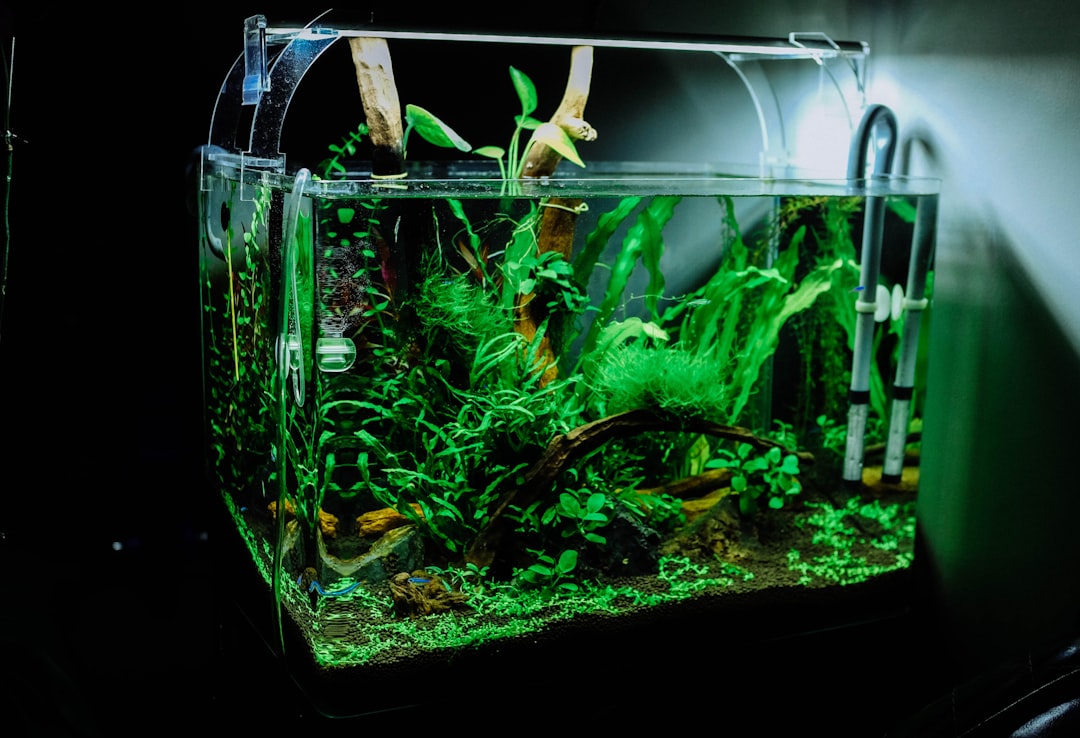
Easy Aquascaping Ideas for Small Fish Tanks
Creating an underwater landscape inside a compact glass box offers a rewarding challenge for hobbyists seeking to bring natural aesthetics indoors. When working with limited water volumes, precision and proportion become the primary design drivers. Many beginners assume that complex layouts require massive display tanks, but masterful aquatic design frequently translates exceptionally well to smaller setups. Utilizing easy aquascaping ideas for small fish tanks allows enthusiasts to establish thriving ecosystems without feeling overwhelmed by heavy maintenance or complex spatial planning.
Small-scale aquariums operate under distinct biological parameters compared to large systems. Nutrient fluctuations happen much faster, and physical space limits the choice of hardscape materials and flora. Understanding these constraints helps in selecting appropriate design methodologies. A thoughtful approach ensures that every piece of driftwood and every stem of vegetation serves a dual purpose: aesthetic enhancement and biological stability. Designing within a compact footprint sharpens the creator’s focus, turning potential limitations into creative opportunities.
Understanding the Fundamentals of Nano Aquascaping
Before arranging rocks or planting flora, establishing a solid foundation in the core principles of aquatic design is essential. The scale of the enclosure dictates every subsequent choice. In a standard ten-gallon or smaller aquarium, oversized decorative elements instantly make the water volume look cramped and artificial. Selecting miniature varieties of driftwood and finely textured stones creates an optical illusion of depth, making the habitat appear much larger than its physical dimensions.
Proportion and the rule of thirds serve as reliable guides for positioning focal points. Placing the primary hardscape slightly off-center draws the viewer’s eye naturally across the display rather than trapping it in the dead center. Negative space—open areas of fine sand or gravel—plays an equally crucial role. Leaving uncluttered zones prevents the enclosure from looking chaotic and provides swimming lanes for inhabitants. Research published by agricultural extension services on aquatic horticulture highlights how proper spacing improves water circulation and light penetration across lower-growing flora.
Minimalist Iwagumi Style for Beginners
The Iwagumi layout originates from traditional Japanese gardening philosophies, emphasizing simplicity, tranquility, and the strategic placement of stones. Translating this style to compact enclosures involves using an odd number of stones, typically three, arranged to mimic a natural mountain range or rocky outcrop. Seiryu stone or Dragon stone work exceptionally well for this purpose due to their rich textures and weathered appearances.
Executing a successful Iwagumi layout in a compact setup relies heavily on restraint. Instead of filling the floor with varied ornaments, the focus shifts to a single dominant rock, known as the Oyaishi, supported by smaller secondary and tertiary stones. Foreground vegetation completes the aesthetic. Species such as Eleocharis acicularis, commonly known as dwarf hairgrass, or Marsilea hirsuta form a lush green carpet that softens the harsh lines of the stones. Maintaining this style requires consistent lighting schedules and moderate nutrient dosing to encourage uniform horizontal growth without inviting unwanted algae blooms.
Utilizing Driftwood for Natural Woodland Layouts
For creators drawn to organic, woodland-inspired aesthetics, incorporating branches and roots provides an effective pathway to a compelling underwater scene. Spider wood or red root wood introduce intricate, twisting lines that mimic submerged tree roots found in tropical riverbanks. These pieces can be positioned vertically to draw the eye upward or angled diagonally to create a dynamic sense of movement.
Attaching epiphytic flora to the wood surface eliminates the need to plant directly into the substrate. Species like Java fern, Anubias nana, and various Bucephalandra strains thrive when anchored to wood using cotton thread or aquarium-safe cyanoacrylate glue. Over time, their roots naturally grip the crevices of the wood, anchoring them permanently. This method simplifies tank maintenance because the hardscape can be temporarily lifted out for cleaning without disturbing root systems buried in the gravel. Furthermore, decomposing botanicals slowly release beneficial tannins into the water column, creating a natural, soft-water environment favored by many freshwater inhabitants.
The Dutch-Inspired Street Style in Miniature
Traditional Dutch aquascaping relies on densely planted terraces of varying colors and leaf shapes, often arranged in distinct rows or “streets.” While classic Dutch layouts demand intense technical setups, adapting the core concept for compact displays yields striking results. By selecting contrasting stem flora—such as pairing the bright green leaves of Rotala rotundifolia with the deep red hues of Ludwigia repens—designers can construct a vibrant underwater garden.
Success with densely planted mini-gardens depends on vertical layering. Taller stem flora is planted along the back panel, medium-height varieties occupy the middle ground, and carpeting species line the front glass. This tiered approach prevents visual obstruction and ensures that every stem receives adequate illumination. Regular trimming encourages lateral branching, resulting in dense, bushy vegetation that hides equipment like internal filters and heaters.
Creating Depth with Sloped Substrates and Pathways
A common pitfall in compact aquatic design is creating a flat, monotonous floor bed. Introducing an inclined substrate profile instantly transforms a two-dimensional view into a three-dimensional landscape. Elevating the rear corners of the aquarium using aqua soil or gravel creates an artificial perspective that tricks the eye into perceiving greater distance from the front glass to the back wall.
Carving a contrasting pathway through the elevated substrate enhances this illusion. Filling a central or winding channel with white sand or fine gravel creates a visual riverbed or mountain trail that leads the viewer’s gaze deeper into the scene. Placing larger stones or taller flora near the front of the pathway and gradually scaling down the size toward the background maximizes the depth-of-field effect. This technique requires careful maintenance to prevent the darker substrate from spilling over and mixing with the light-colored pathway sand during routine water changes.
| Layout Style | Primary Materials | Maintenance Level | Best For |
|---|---|---|---|
| Minimalist Iwagumi | Stones, carpeting plants | Moderate to High | Clean, modern aesthetics |
| Woodland Driftwood | Spider wood, epiphytes | Low to Moderate | Natural, organic looks |
| Nano Dutch Garden | Varied stem flora | High | Colorful, vibrant displays |
| Sloped Pathway | Aqua soil, sand, small rocks | Moderate | Creating optical depth |
Low-Tech vs. High-Tech Approaches
Managing a thriving underwater garden involves balancing light, carbon dioxide, and nutrients. Choosing the right technological setup dictates the variety of flora that can flourish within the enclosure. Low-tech configurations rely on natural ambient room light or basic LED fixtures, inert gravel or basic soil, and regular water changes. This approach suits resilient species like Java moss, Cryptocorynes, and floating plants that tolerate fluctuating nutrient levels and slower growth rates.
High-tech setups introduce pressurized carbon dioxide injection systems, specialized high-output LED lighting, and nutrient-rich aquasoil substrates. While this equipment requires a higher initial investment and closer monitoring, it unlocks the ability to cultivate demanding carpeting flora and intensely colored red plants that bubble with oxygen under high illumination. Hobbyists balancing busy schedules often lean toward low-tech methodologies, whereas dedicated enthusiasts find satisfaction in the precise fine-tuning required for high-tech planted systems.
Essential Maintenance and Troubleshooting
Maintaining long-term visual appeal requires consistent upkeep routines tailored to the specific layout style chosen. Algae control remains the primary challenge in compact aquatic environments, where biological imbalances manifest rapidly. Establishing a consistent lighting duration—typically six to eight hours per day controlled by a digital timer—prevents unwanted algae outbreaks while supporting healthy vegetative growth.
Routine water changes of twenty to thirty percent weekly remove accumulated organic waste and replenish essential minerals. Manual removal of dead leaves and trimming overgrown stems prevents nutrient spikes and maintains the intended proportions of the hardscape. Introducing cleanup crews, such as nerite snails or dwarf shrimp, helps control microscopic film algae on glass surfaces and hardscape materials without disrupting the delicate balance of the ecosystem.
Conclusion
Designing a captivating underwater landscape within a confined glass enclosure rewards careful planning and thoughtful execution. Applying easy aquascaping ideas for small fish tanks demonstrates that magnificent natural displays do not depend on massive water volumes. By focusing on proportion, selecting appropriate hardscape materials, and balancing biological inputs, creators can establish thriving aquatic ecosystems that serve as stunning focal points in any room. Whether opting for the serene simplicity of an Iwagumi arrangement, the organic charm of a woodland driftwood layout, or the vibrant colors of a mini-garden, the process offers endless opportunities for creative expression and quiet contemplation.
Featured Image Credit: Generated/Sourced via Unsplash.
Disclaimer: This article is AI-generated for informational and educational purposes. While we strive to provide high-quality context and authority, the content should not be used as professional advice. The author/website assumes no liability for external links or factual omissions.