

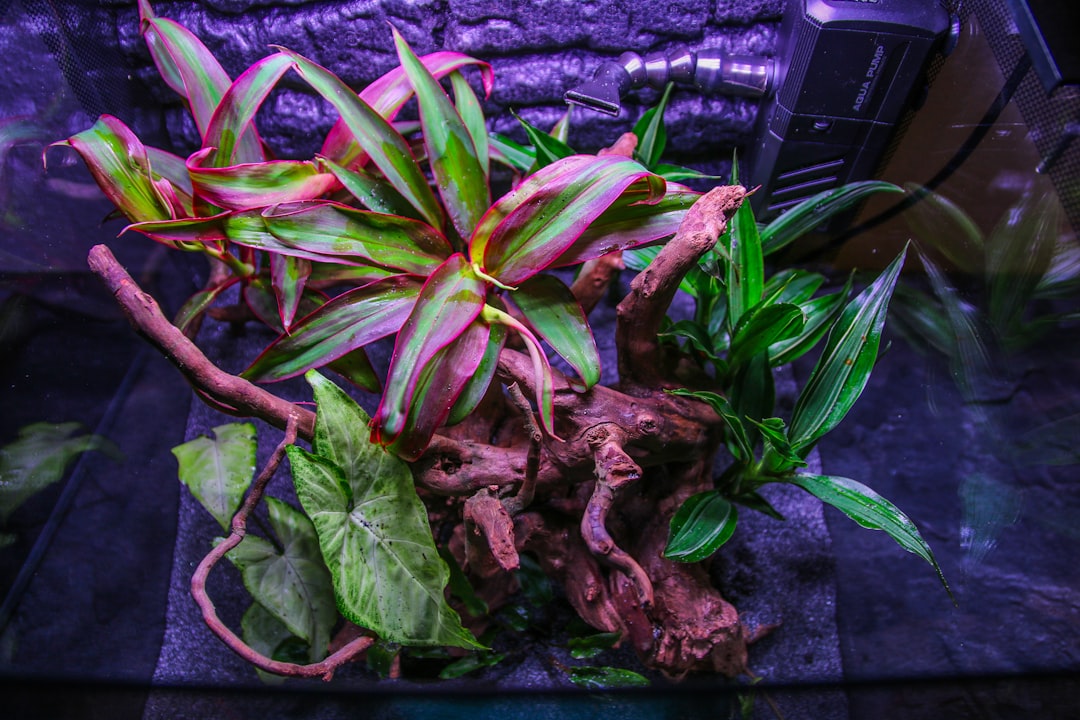
Aquarium keeping has long captivated hobbyists seeking to bring a slice of natural aquatic ecosystems indoors. Establishing a lush underwater garden often brings to mind pressurized carbon dioxide cylinders, complex regulators, and meticulous nutrient dosing schedules. However, achieving a vibrant planted scape does not require expensive high-tech equipment. Selecting the right species allows aquarists to build gorgeous, thriving aquatic environments entirely naturally.
Understanding how aquatic flora adapts to lower gas concentrations shifts the entire approach to freshwater scaping. Many freshwater species originate from seasonal floodplains where they remain submerged for months, absorbing ambient carbon from the water column and substrate without supplemental injection. Emphasizing low-maintenance flora reduces operating costs while creating stable biological ecosystems capable of supporting fish and invertebrates harmoniously.
Understanding Low-Tech Planted Tanks
Operating a tank without pressurized gas relies on fundamental botanical adaptations. In a traditional setup, injected gas forces rapid photosynthesis, demanding high light intensities and frequent macro-nutrient dosing. Without supplemental gas, the biological growth rate slows down significantly. This deliberate pacing benefits keepers because slower growth minimizes frequent trimming and reduces the risk of sudden algae takeovers.
Carbon is an essential building block for aquatic vegetation. In unsupplemented environments, flora relies on residual carbon dioxide generated by fish respiration, bacterial decomposition of organic waste, and trace amounts dissolved in tap water. Certain robust species possess specialized structures like carbonic anhydrase, enabling them to utilize bicarbonate ions when free carbon grows scarce. This physiological flexibility makes these organisms ideal for beginners and seasoned aquurists aiming for minimalist maintenance routines.
Top Low-Maintenance Species for Un-injected Setups
Choosing the right flora dictates the success of an un-injected aquatic layout. Several proven varieties excel in low-energy environments, offering diverse textures, colors, and growth habits.
Anubias Varieties
Anubias species stand as staples in un-injected layouts due to their remarkable resilience and low nutritional demands. Originating from shaded West African streams, these epiphytic specimens thrive when attached to driftwood or rockwork rather than buried directly in fine sediment. Burying the thick horizontal stem, known as the rhizome, causes the entire structure to rot and perish.
Varieties range from the compact Anubias barteri var. nana to the broader-leaved Anubias hastifolia. Their thick, leathery leaves resist herbivory by grazing fish like cichlids or goldfish. Because growth occurs gradually, these specimens accumulate very little debris, making them exceptionally stable additions to freshwater displays.
Java Fern and Microsorum Species
Java Fern, scientifically known as Microsorum pteropus, shares similar epiphytic growth habits with Anubias. This resilient fern anchors itself securely to hardscape elements using fine, dark roots called rhizoids. Lighting requirements remain minimal, and the broad, strap-like fronds provide excellent refuge for small schooling fish and shrimp.
Propagation occurs naturally through adventitious plantlets sprouting directly from mature leaves. Once these tiny offshoots develop miniature root systems and tiny fronds, they detach and establish themselves independently on nearby surfaces. This self-propagating trait eliminates the need for tissue culture propagation or complex splitting techniques.
Cryptocoryne Species
Cryptocorynes represent a diverse genus native to tropical Southeast Asia, prized for their ability to thrive in nutrient-rich substrates under dim lighting. Popular choices include Cryptocoryne wendtii and Cryptocoryne beckettii, both offering rich bronze, green, and hammer-textured foliage.
These rooted specimens prefer stable water parameters and dislike sudden environmental shifts. When introduced to a new layout, a phenomenon known as “crypt melt” frequently occurs, where old leaves dissolve into mush. This reaction represents a natural transition phase as the organism sheds its emersed-grown foliage to produce submersed leaves adapted to the new aquarium chemistry. Providing a nutrient-dense root tab beneath the substrate ensures robust long-term recovery and steady expansion.
Floating Varieties
Floating species serve critical ecological functions in un-injected setups by accessing atmospheric carbon dioxide directly, bypassing aquatic gas limitations entirely. Frogbit, Salvinia natans, and Red Root Floaters absorb intense light overhead while sending dense root structures down into the water column. These trailing roots absorb excess nitrates and phosphates efficiently, starving competing algae of essential nutrients. Additionally, floating canopies diffuse bright overhead illumination, creating natural dappled lighting beneficial for shyer bottom-dwelling inhabitants.
Nutrient Management and Substrate Selection
Without pressurized gas accelerating metabolic processes, nutrient requirements shift dramatically. Heavy liquid dosing often triggers unwanted algae blooms because slow-growing specimens cannot consume the abundance quickly enough. Instead, success hinges upon a balanced approach prioritizing substrate fertility and moderate water-column supplementation.
Nutrient-rich aqusoil products provide an ideal foundation for rooted varieties, supplying steady, long-term reserves of iron, nitrogen, and potassium directly to the root zone. Alternatively, inert gravel or coarse sand paired with commercial root tabs delivers comparable results at a lower cost. Liquid fertilizers should be administered sparingly, focusing on trace elements and potassium rather than heavy nitrogen compounds, unless deficiency symptoms like yellowing older leaves appear.
Lighting Requirements and Photoperiod Control
Lighting acts as the primary driver of photosynthesis in any aquatic environment. In un-injected systems, excessive illumination invariably leads to severe algae outbreaks, as stubborn green fuzz and hair algae outcompete slow-growing foliage for limited carbon resources.
Modern full-spectrum LED fixtures designed specifically for planted tanks offer adjustable dimming capabilities, which prove invaluable for low-tech setups. Maintaining a photoperiod of six to eight hours daily provides sufficient energy for biological processes while preventing light saturation. Elevating the fixture higher above the water surface or utilizing built-in dimmer controls keeps PAR (Photosynthetically Active Radiation) values within safe ranges for resilient flora.
Comparison of Low-Tech Aquatic Varieties
| Common Name | Placement | Growth Rate | Light Demand | Propagation Method |
|---|---|---|---|---|
| Anubias Nana | Epiphytic (Hardscape) | Slow | Low to Moderate | Rhizome Division |
| Java Fern | Epiphytic (Hardscape) | Slow | Low | Adventitious Plantlets |
| Cryptocoryne Wendtii | Foreground/Midground | Moderate | Low to Moderate | Runner Production |
| Amazon Sword | Background | Moderate to Fast | Moderate | Adventitious Runners |
| Hornwort | Floating or Stem | Very Fast | Low to High | Stem Cuttings |
Water Circulation and Filtration Dynamics
Water movement remains vital in un-injected layouts, even without the intense gas dispersion required by demanding species. Adequate current ensures uniform distribution of trace minerals, organic waste, and residual carbon dioxide across every corner of the glass box.
Hobbyists typically utilize sponge filters, internal power filters, or adjustable canister systems configured with gentle outflow patterns. Excessive surface agitation should be avoided where possible, as vigorous splashing drives off valuable ambient carbon dioxide into the surrounding room air, reducing the already limited carbon availability for underwater vegetation. Balancing filtration turnover with calm, steady currents maintains optimal biological stability.
Troubleshooting Common Low-Tech Challenges
Even resilient setups encounter occasional obstacles. Recognizing early warning signs prevents minor imbalances from escalating into major tank crashes.
Algae management demands patience and proactive adjustment. Green spot algae on slow-growing leaves usually indicates low phosphate levels or excessive lighting duration, easily remedied by shortening the daily photoperiod. Hair algae often points to organic waste accumulation or fluctuating nutrient levels, corrected through regular partial water changes and manual removal using a toothbrush.
Nutrient deficiencies manifest through distinct visual symptoms. Iron deficiency typically causes new leaves to emerge pale or completely white, a condition known as chlorosis. Introducing a targeted micro-nutrient supplement or replacing exhausted root tabs quickly resolves the issue. Conversely, pinholes in older leaves generally signal potassium shortages, which respond well to isolated potassium dosing.
Conclusion
Maintaining a thriving freshwater display utilizing the best aquarium plants without CO2 system demonstrates that biological harmony does not rely on complex machinery. By prioritizing resilient epiphytes, rooted rosette varieties, and efficient floating species, aquarists cultivate stunning underwater landscapes with minimal equipment overhead. Careful attention to substrate nutrition, modest lighting schedules, and consistent maintenance routines ensures long-term ecological stability. Embracing these natural principles fosters a rewarding, low-stress hobby focused on the quiet beauty of balanced aquatic life.
Featured Image Credit: Generated/Sourced via Unsplash.
Disclaimer: This article is AI-generated for informational and educational purposes. While we strive to provide high-quality context and authority, the content should not be used as professional advice. The author/website assumes no liability for external links or factual omissions.