

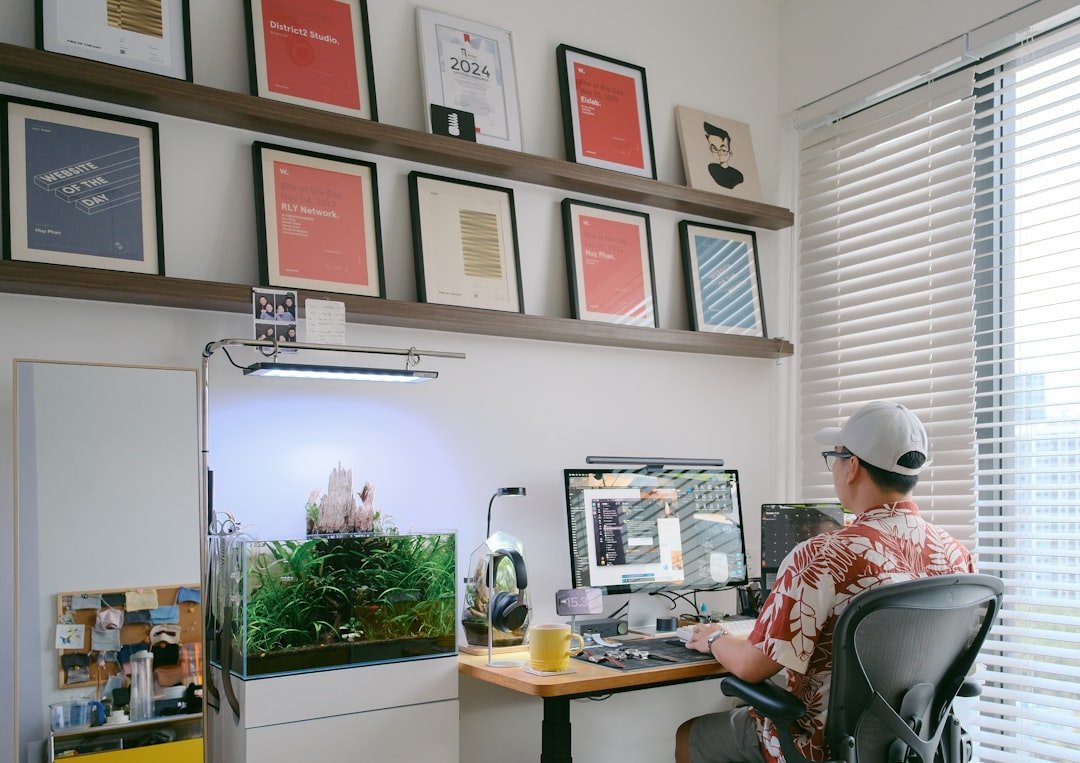
The craft of underwater gardening transforms a standard glass box filled with water into a living, breathing slice of a natural riverbank or valley floor. When learning how to create a natural aquascape at home, hobbyists move beyond simply keeping fish and enter the realm of aquatic architecture. Designing a balanced ecosystem requires an understanding of botany, geology, and fluid dynamics. Every piece of driftwood and every stem of aquatic flora serves a distinct purpose in establishing biological equilibrium. Observing how light filters through water and how nutrients circulate through porous substrates helps hobbyists replicate natural aquatic habitats found in tropical rainforests or alpine streams. This comprehensive guide details the precise methods required to build, plant, and maintain a flourishing underwater landscape from scratch.
Understanding Aquascaping Styles and Design Principles
Before purchasing glass tanks or decorative stones, establishing a clear aesthetic direction prevents design chaos. The international aquascaping community generally categorizes layouts into distinct architectural styles. The Nature Aquarium style, popularized by Takashi Amano, mimics terrestrial landscapes such as forests, mountains, or rolling hills using asymmetrical arrangements of rocks and wood. Conversely, the Iwagumi style relies exclusively on carefully selected stones placed according to traditional Japanese garden philosophies, featuring an odd number of rocks with one dominant focal point known as the Oseki.
Achieving visual harmony depends heavily on the golden ratio and the rule of thirds. Placing focal points slightly off-center draws the human eye naturally through the composition, creating depth in a limited space. Depth is further enhanced by sloping the substrate upward toward the back wall of the aquarium. Layering tall-stemmed plants in the rear and carpeting species in the foreground establishes a sense of immense scale, making a modest three-foot tank resemble a vast valley.
Selecting the Right Equipment and Hardware
Reliable technology forms the invisible backbone of any successful underwater garden. Filtration systems must provide adequate biological, mechanical, and chemical filtration without generating excessive water currents that could uproot delicate newly planted stems. Canister filters are widely favored for planted tanks because they sit outside the aquarium, maximizing interior viewing space while housing large volumes of filter media.
Lighting is perhaps the most critical factor driving plant growth. Modern full-spectrum LED fixtures offer adjustable intensity and programmable photoperiods, ensuring aquatic vegetation receives the precise PAR values needed for photosynthesis. For high-tech setups featuring demanding red plants and dense carpeting species, pressurized carbon dioxide injection systems are mandatory. Carbon dioxide gas dissolves into the water column via inline diffusers, supercharging plant growth and preventing stubborn algae outbreaks by allowing plants to outcompete nuisance organisms for vital resources.
Mastering Substrate Layers and Hardscaping
Building a stable foundation begins at the very bottom of the tank with nutrient-rich aqusoil substrates. Unlike inert gravel or sand, specialized aquasoils contain essential minerals, humic acids, and a lower pH buffering capacity that plant roots readily absorb. Laying a base layer of porous volcanic rock or specialized additive powders beneath the primary soil layer promotes beneficial nitrifying bacteria colonization and prevents anaerobic dead zones from forming in deep substrate areas.
Hardscaping involves positioning driftwood and stones to create the skeletal structure of the design. Stones such as Seiryu stone, dragon stone, or ancient wood should be washed thoroughly and arranged outside the tank first to test various configurations. When locking stones and wood pieces together, aquarium-safe cyanoacrylate gel glue combined with cigarette ash or tissue paper provides an instant, invisible bond. The hardscape must remain secure enough to withstand routine maintenance and the shifting weight of settling substrate materials.
Choosing and Planting Aquatic Vegetation
Selecting the right combination of flora dictates the long-term success and visual texture of the layout. Aquatic plants are generally divided into three categories: foreground carpeting plants, midground accent plants, and background stem plants. Foreground choices include species like Hemianthus callitrichoides or Glossostigma elatinoides, which creep horizontally across the substrate. Midground areas often feature cryptocorynes or ferns attached directly to driftwood surfaces using cotton thread or fishing line.
Planting requires precision tools such as long stainless steel aquascaping tweezers. Stems should be inserted deep into the damp substrate at an angle to prevent them from floating away during initial tank filling. Prior to planting, trimming dead roots and lower leaves encourages rapid new root development. Introducing a heavy plant mass on day one—often referred to as heavy planting—acts as a biological safeguard against algae by immediately consuming available ammonia and excess nutrients in the water column.
Water Chemistry and the Cycling Process
Filling the newly planted aquarium requires care to avoid disturbing the carefully arranged substrate and delicate stems. Placing a clean plastic bag or a piece of bubble wrap over the hardscape and pouring water slowly onto it disperses the flow effectively. Once filled, the nitrogen cycle must be established before introducing any livestock. This biological process involves beneficial bacteria converting toxic fish waste and ammonia into nitrites, and subsequently into relatively harmless nitrates.
Monitoring water parameters regularly using liquid test kits ensures stability. Total hardness, carbonate hardness, pH, and temperature must remain within acceptable ranges tailored to the specific fauna and flora selected. Water changes of fifty percent twice a week during the first month remove excess organic leachates from the aquasoil and replenish vital trace elements. As the tank matures, water change frequencies can gradually be reduced to once a week.
Comparison Table: Aquascaping Substrate Types
| Substrate Type | Nutrient Density | Buffering Capacity | Best Use Case | Longevity |
|---|---|---|---|---|
| Specialized Aquasoil | High | Lowers pH and KH | Planted nature aquariums and Iwagumi | 2 to 3 years |
| Inert Sand / Gravel | None | Neutral | Minimalist layouts and bottom-dwelling fish | Indefinite |
| Nutrient-Rich Mineral Base | Moderate to High | Neutral | Low-tech community tanks | 4 to 5 years |
| Crushed Lava Rock | Low | Neutral | Substrate elevation and biological filtration | Indefinite |
Long-Term Maintenance and Pruning Protocols
A thriving aquascape is a dynamic, growing ecosystem that demands consistent stewardship. Weekly maintenance routines include glass cleaning, filter maintenance, and trimming overgrown plant stems. Stem plants require regular pruning to encourage lateral branching, resulting in a denser, more cohesive bush-like appearance. Allowing stems to grow unchecked shades out lower leaves, leading to decay and organic waste accumulation.
Algae management is an ongoing exercise in balance rather than elimination. Minor algae films on glass surfaces are normal, but sudden outbreaks indicate imbalances in lighting duration, carbon dioxide levels, or nutrient dosing. Introducing cleanup crew organisms such as Amano shrimp, horned nerite snails, or small herbivorous fish species helps keep microscopic algae under control naturally without relying on chemical treatments that could harm delicate flora.
Frequently Asked Questions
Do I need pressurized carbon dioxide for all natural aquascapes?
Pressurized carbon dioxide is not strictly mandatory, but it is highly recommended for dense layouts featuring carpeting plants and demanding red species. Low-tech setups using hardy epiphytes, mosses, and cryptocorynes can thrive without carbon dioxide injection if lighting levels are kept low to moderate.
How long does it take for an aquarium to cycle?
The nitrogen cycle typically takes between four to six weeks to establish fully. During this period, beneficial bacteria colonize the filter media and substrate, allowing ammonia to be processed efficiently. Adding bottled bacterial cultures can accelerate this timeline slightly, but patience remains essential.
Why are my aquarium plants melting after planting?
Many aquatic plants are grown commercially above water in emersed conditions. When submerged in an aquarium, they shed their emersed leaves to transition into fully aquatic foliage. This melting process is normal as long as new, vibrant underwater shoots emerge from the roots and crown areas.
How can I prevent green water and hair algae outbreaks?
Algae blooms usually stem from excessive lighting, unbalanced nutrient ratios, or organic waste accumulation. Reducing daily photoperiods, increasing water change frequencies, and maintaining stable carbon dioxide levels effectively suppress nuisance algae growth while favoring desirable plant health.
Conclusion
Creating a living underwater ecosystem requires patience, artistic vision, and scientific diligence. Understanding the interplay between hardscape geometry, nutrient-rich substrates, specialized lighting, and biological filtration transforms an empty glass container into a thriving natural habitat. By following structured maintenance protocols, monitoring water parameters, and practicing consistent pruning routines, hobbyists can preserve the health and visual harmony of their aquatic displays for years to come. The resulting living art piece serves as a tranquil, dynamic focal point within any indoor environment, offering continuous engagement with the natural world.
Featured Image Credit: Generated/Sourced via Unsplash.
Disclaimer: This article is AI-generated for informational and educational purposes. While we strive to provide high-quality context and authority, the content should not be used as professional advice. The author/website assumes no liability for external links or factual omissions.