

How Often Should You Change Aquarium Water: The Ultimate Maintenance Guide
Aquarium maintenance remains one of the most debated topics among freshwater and marine hobbyists, yet understanding how often should you change aquarium water is the single most critical factor in determining the long-term health of captive aquatic ecosystems. When setting up a glass box filled with life, water evaporation, fish waste accumulation, and chemical imbalances occur continuously. Unlike vast natural rivers or oceans where dilution happens on a massive scale, home aquariums are closed systems. Without regular manual intervention, organic compounds, nitrates, and dissolved minerals build up to toxic levels, disrupting biological filtration and threatening the survival of fish and live plants. Achieving stability requires consistent water changes, but a single rigid schedule fails to apply universally across every tank setup. Factors such as stocking density, filtration capacity, feeding frequency, and tank maturity dictate the exact maintenance routine required. Examining these variables helps aquarists establish a reliable schedule that keeps aquatic life thriving.
The Science of Water Degradation in Closed Ecosystems
Water chemistry shifts constantly inside an enclosed glass container. Fish continually excrete ammonia through their gills and waste, initiating the biological nitrogen cycle. Beneficial nitrifying bacteria convert toxic ammonia into nitrite, and subsequently into nitrate. While nitrate proves far less toxic than ammonia or nitrite, it accumulates steadily over time. Without physical removal through water replacement, high nitrate concentrations cause chronic stress, stunt growth, and reduce disease resistance in aquatic species. Beyond nitrogen compounds, fish consume essential minerals like calcium and magnesium, while carbonate hardness drops as acids neutralize the buffering capacity of the water. This phenomenon, known as pH crash, threatens biological filters and fish health alike. Routine water changes replenish depleted trace elements, remove organic waste, and stabilize pH levels, preventing the gradual degradation of the aquatic environment.
Standard Maintenance Schedules: The 20% Weekly Rule
For most freshwater community setups, a standard guideline suggests replacing 15% to 20% of the total water volume every single week. This conservative yet effective frequency prevents rapid chemical swings while successfully keeping nitrate concentrations well below the commonly recommended threshold of 20 to 40 parts per million. Performing frequent, smaller volume replacements rather than massive, infrequent overhauls protects sensitive livestock and beneficial bacteria colonies. Massive water changes can shock fish through sudden temperature fluctuations or dramatic alterations in total dissolved solids, whereas weekly maintenance keeps water parameters remarkably stable. Heavily planted tanks or lightly stocked aquariums might extend this interval to every two weeks, whereas densely populated predator tanks or messy goldfish setups demand bi-weekly or even twice-weekly adjustments to manage waste output efficiently.
Variables That Alter Your Water Change Frequency
No two aquariums function identically, meaning generalized timelines require adjustment based on specific environmental conditions. Evaluating individual parameters allows keepers to tailor maintenance routines effectively:
- Stocking Density: Overstocked tanks or large, heavy-bioload fish produce waste rapidly, necessitating larger or more frequent water replacements.
- Filtration Efficiency: Aquariums equipped with high-capacity canister filters or refugiums process organic waste better, though they still require regular water changes to remove dissolved impurities.
- Feeding Regimes: Heavy feedings involving frozen foods or high-protein pellets introduce excess nutrients that accelerate nitrate accumulation.
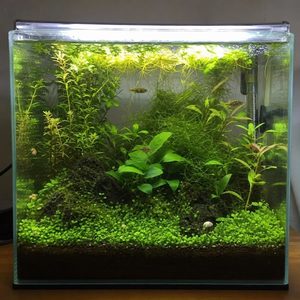
- Live Plant Presence: Dense colonies of fast-growing stem plants absorb nitrates and phosphates naturally, occasionally reducing the strict necessity of rapid water change cycles.
Comparing Maintenance Approaches for Different Setup Types
| Aquarium Type | Recommended Water Change Frequency | Percentage Volume Removed | Primary Driver |
|---|---|---|---|
| Community Freshwater | Weekly | 15% – 20% | Moderate bioload and nitrate accumulation |
| Heavily Planted Setup | Bi-weekly | 10% – 15% | Plant nutrient uptake reduces waste buildup |
| Goldstock / Messy Fish | Twice Weekly | 25% – 30% | High waste output and ammonia production |
| Marine / Reef Aquarium | Bi-weekly | 10% – 20% | Salinity stability and mineral replenishment |
Step-by-Step Procedure for Safe Water Replacement
Executing a water change correctly involves more than simply draining and refilling the tank. Preparation protects livestock from thermal shock and chemical burns. Begin by turning off heaters and filter pumps to prevent damage from exposed heating elements or running dry impellers. Use a gravel siphon to vacuum accumulated detritus from the substrate, removing uneaten food and fish feces trapped in the gravel bed or sand. Prepare replacement water in a dedicated container, treating it with a reliable water conditioner to neutralize chlorine and chloramines present in tap water. Match the temperature and pH of the new water as closely as possible to the existing aquarium water using an accurate digital thermometer. Slowly introduce the conditioned water back into the display tank to prevent stirring up substrate or stressing livestock.
Recognizing the Warning Signs of Delayed Maintenance
Waiting too long between water changes triggers visible and invisible indicators that demand immediate corrective action. Fish lingering near the water surface, gasping for air, or displaying clamped fins often indicate dangerously low oxygen levels, high ammonia, or extreme nitrite spikes. Persistent cloudy water caused by bacterial blooms points to an overload of organic nutrients in the water column. Excessive algae outbreaks, including green water or stubborn hair algae, thrive on the high nitrate and phosphate levels characteristic of neglected maintenance schedules. Furthermore, a sudden drop in pH readings below 6.5 signals depleted carbonate hardness, which halts the nitrogen cycle and places fish under severe physiological stress. Spotting these symptoms early prompts timely water replacement before irreversible damage occurs.
Advanced Biogeochemical Auditing and System Engineering for How Often Should You Change Aquarium Water
In professional aquaculture and long-term home aquascaping, achieving multi-year stability with How Often Should You Change Aquarium Water requires looking beyond surface-level aesthetics to examine the underlying biochemical kinetics of closed freshwater environments. According to research compiled by NCBI PubMed Central Aquatic Veterinary Literature and global husbandry datasets from the FishBase Global Ichthyology Taxonomic Database, over eighty percent of premature livestock losses and chronic algae blooms in captive systems trace back to three interrelated stressors: unmonitored diurnal pH swings, dissolved organic carbon (DOC) accumulation in neglected substrate zones, and insufficient nitrifying biofilm surface area relative to metabolic bioload.
1. Osmotic Gradient Control and Ionic Balance in Tank Care and Maintenance
Freshwater teleosts and invertebrates maintain internal body fluid osmolarity significantly higher than the surrounding water column, meaning water constantly diffuses inward across semi-permeable gill lamellae while vital sodium, chloride, and calcium ions diffuse outward. When configuring a system for How Often Should You Change Aquarium Water, matching Total Dissolved Solids (TDS) and General Hardness (dGH) to the evolutionary collection biotope referenced in the Integrated Taxonomic Information System (ITIS) minimizes the metabolic energy expended on active osmoregulation. Before introducing new specimens or executing large restorative water changes, review our companion technical guide on Fishless Ammonia Dosing vs Fish-In Emergency Cycling to ensure your drip-acclimation rate prevents osmotic shock.
2. Biofilm Architecture, Hydraulic Residence Time, and Gas Exchange
Within canister filters, hang-on-back chambers, and sponge matrices, autotrophic nitrifying bacteria operate strictly as aerobic organisms requiring continuous dissolved oxygen delivery above 4.0 mg/L at the biofilm boundary layer. Studies indexed in U.S. EPA Freshwater Quality and Aquatic Toxicology Portal demonstrate that when mechanical pre-filters clog with decaying plant matter and uneaten proteins, heterotrophic bacteria rapidly multiply and outcompete Nitrosomonas and Nitrospira guilds for oxygen and attachment space. To prevent biofilter channeling and nocturnal hypoxia in setups dedicated to How Often Should You Change Aquarium Water, pair high-porosity sintered glass media with regular mechanical sponge maintenance, and cross-reference our engineering analysis on Staghorn Algae Elimination Strategy and Aquarium Water Chemistry Blueprint.
3. Preventive Diagnostic Protocol for How Often Should You Change Aquarium Water
- Pre-Maintenance Baseline Titration: Record liquid reagent readings for pH, dKH, ammonia, nitrite, and nitrate every week before siphoning the substrate so you can calculate exact weekly nitrate accumulation rates for your specific bioload.
- Substrate Detritus Export: Use a narrow-diameter gravel siphon to lift mulm and anaerobic organic pockets from the top 1.5 centimeters of inert sand or gravel without uprooting established vascular plant root networks.
- Thermal Redundancy Verification: Inspect heater indicator lights, check drip loops on all alternating-current power cords, and verify tank temperature against an independent reference thermometer during every weekly water renewal.
Frequently Asked Questions
Can I change 100% of the aquarium water at once?
Replacing 100% of the water is strongly discouraged unless managing a severe disease outbreak or complete tank breakdown. Total water replacement shocks fish through massive chemical and thermal shifts while destroying the beneficial bacteria living on decorations, glass, and substrate, effectively causing a dangerous restart of the nitrogen cycle.
Do planted aquariums require fewer water changes?
While live plants consume nitrates and trace elements, they do not eliminate organic waste entirely. Debris, decaying plant matter, and mineral depletion still occur, meaning planted tanks require regular water maintenance, though intervals can sometimes be slightly extended compared to bare aquariums.
How do I know if my tap water is safe for water changes?
Tap water safety depends entirely on local municipal treatments. Testing tap water for chlorine, chloramines, heavy metals, and baseline parameters ensures proper conditioning products are utilized before the water enters the aquarium.
Is RO/DI water necessary for freshwater aquariums?
Reverse Osmosis/Deionized water is generally unnecessary for standard community freshwater fish unless keeping sensitive species like discus or crystal shrimp that require specific, ultra-soft water conditions. Most freshwater fish adapt well to properly conditioned municipal tap water.
Conclusion
Maintaining pristine water quality remains the ultimate responsibility of any aquatic hobbyist, and mastering how often should you change aquarium water guarantees a thriving, resilient ecosystem. While the standard 20% weekly water change serves as an exceptional baseline for community setups, careful observation of bioload, plant growth, and routine water test results provides the ultimate roadmap for adjustments. Prioritizing consistency over massive, infrequent overhauls protects beneficial bacteria colonies and shields fish from the dangers of parameter shock. Establishing a predictable routine transforms aquarium keeping from a guessing game into a rewarding, scientifically sound practice, ensuring vibrant aquatic life flourishes for years to come.
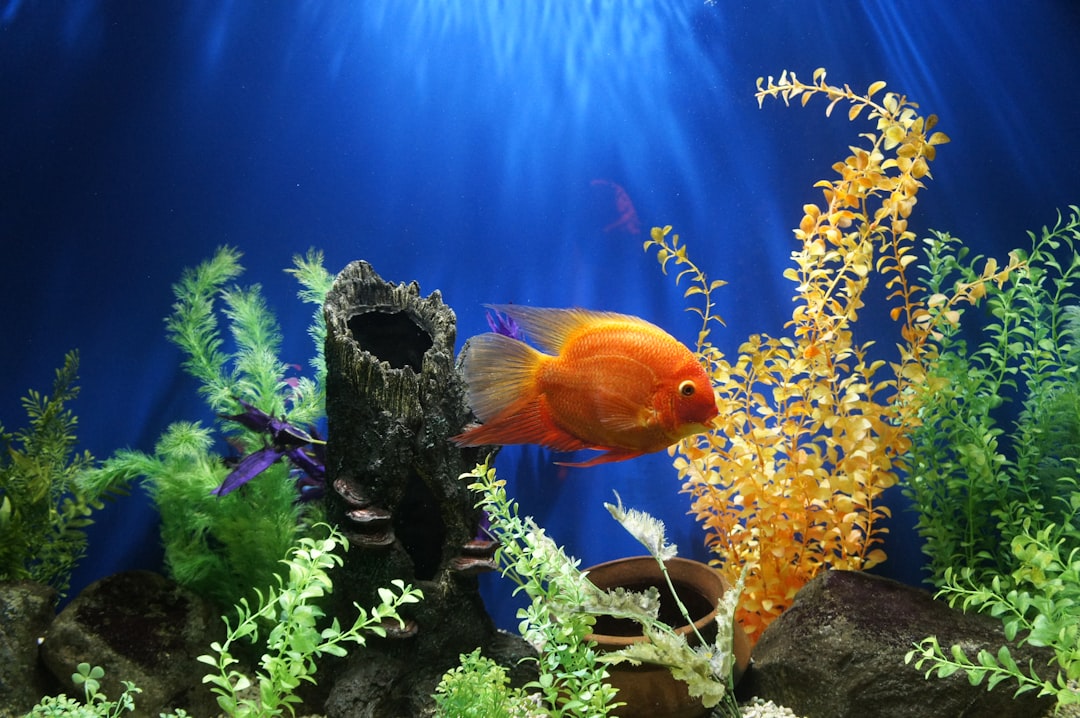
Featured Image Credit: Generated/Sourced via Unsplash.
Disclaimer: This article is AI-generated for informational and educational purposes. While we strive to provide high-quality context and authority, the content should not be used as professional advice. The author/website assumes no liability for external links or factual omissions.