

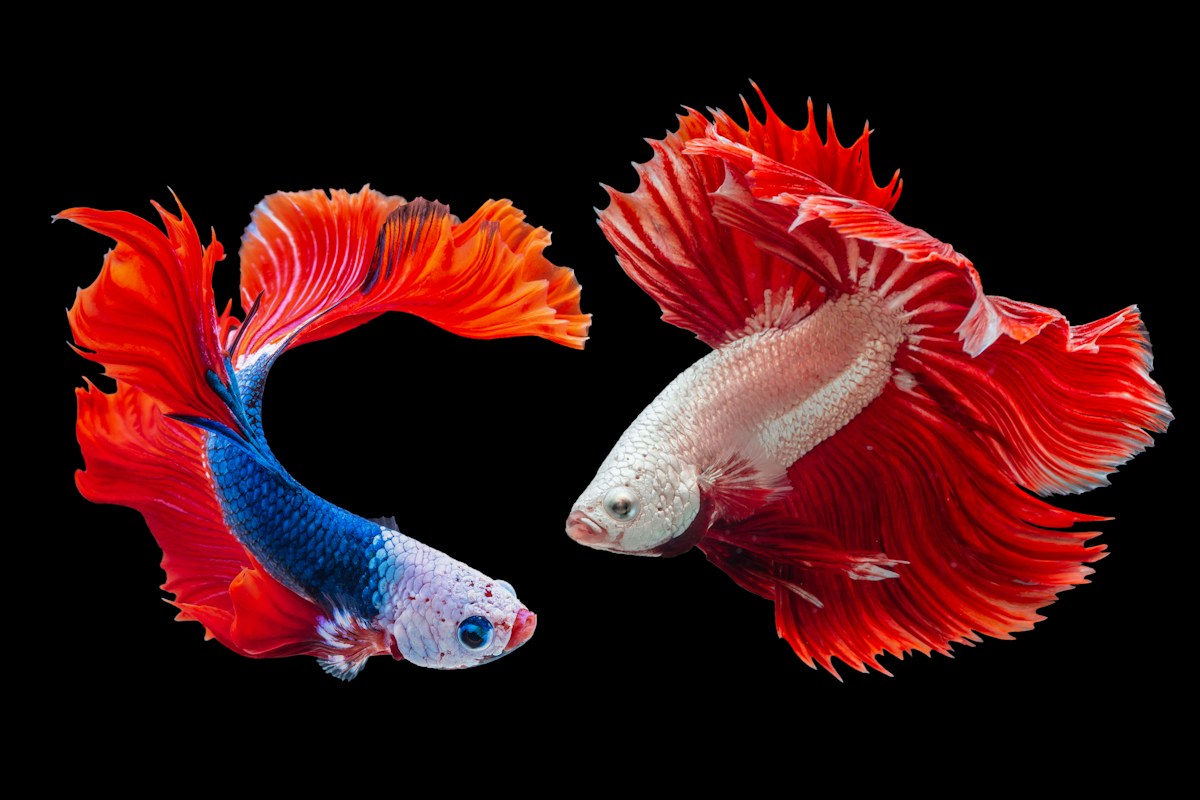
The breathtaking kaleidoscope of color, fin morphology, and structural elegance displayed by modern ornamental freshwater fish is not an accident of nature; it is the deliberate triumph of centuries of selective genetic breeding. From the velvet crimson scales of show-grade Guppies (*Poecilia reticulata*) to the iridescent cobalt pearls of Discus (*Symphysodon*) and the sculpted contours of fancy Goldfish (*Carassius auratus*), human artificial selection has molded humble wild ancestors into living jewels.
Yet, behind the visual splendor of commercial color morphs lies a delicate genetic tightrope. In the passionate pursuit of hyper-intense pigmentation or extravagant finnage, amateur breeders routinely fall into catastrophic genetic traps. Indiscriminate continuous inbreeding rapidly leads to inbreeding depression: an insidious biological decline characterized by spinal lordosis, compromised immune function, reduced egg hatchability, and premature organ failure.
Selective breeding is applied Mendelian genetics operating within an aquatic medium. To successfully stabilize a novel color mutation or fix an exquisite fin trait without destroying genetic vigor, the breeder must master the mathematical mechanics of dominant, recessive, and sex-linked inheritance, outcrossing strategies, line-breeding matrices, and rigorous physical culling protocols.
This masterclass blueprint deconstructs the genetic mechanisms of aquatic pigmentation, pedigree lineage tracking, backcrossing architecture, and phenotypic stabilization to cultivate world-class, genetically sound fish strains.
The Cytology of Aquatic Color: Chromatophores and Pigment Synthesis
Understanding fish color genetics begins with the cytology of the dermis. Fish coloration is produced by specialized neural crest-derived cells termed chromatophores, embedded within the scales and dermal layers.
Melanophores synthesize black and dark brown melanin pigments. Xanthophores produce yellow pteridine pigments, while Erythrophores synthesize blazing orange and red carotenoids (which fish cannot synthesize de novo and must assimilate through dietary intake). Iridophores contain stacked crystalline purine plates (guanine) that reflect light, generating iridescent blues, silvers, and structural metallic sheens.
When breeders select for a color strain – such as the solid ‘Albino Full Red’ guppy or ‘Blue Diamond’ discus – they are manipulating specific genetic mutations that alter chromatophore distribution. For instance, the albino mutation is an autosomal recessive allele that eliminates the enzyme tyrosinase, completely suppressing melanin synthesis and leaving brilliant erythrophore red pigments unmasked across the body and iris.
Mendelian Inheritance and Punnett Square Predictions
Breeding aquatic strains requires tracking trait transmission across successive filial generations (, F_2, F_3$). Traits classify genetically into three primary inheritance modes:
Autosomal Dominant / Recessive: Traits where a single copy of a dominant allele produces the phenotype (such as the veil-tail gene in angelfish), whereas recessive traits (such as albinism or marble patterns) require homozygous pairing ($) to express.
Co-Dominance / Incomplete Dominance: Where heterozygous offspring express an intermediate or blended phenotype. Breeding a homozygous red fish with a homozygous white fish yielding pink or multi-color calico offspring.
Sex-Linked Inheritance: Traits located on the sex chromosomes ($ and $ in male-heterogametic species like guppies, or $ and $ in female-heterogametic species). In guppies, premier color traits – such as the blazing red dorsal fin in Moscow strains – are often $-linked, passing exclusively from father to son.
The Linebreeding Matrix vs Inbreeding Depression
To fix desirable phenotypic traits permanently – ensuring that offspring breed 100 percent true to type – breeders utilize linebreeding. Linebreeding is structured, controlled inbreeding centered on exceptional ancestral specimens, rather than random brother-sister matings.
The classic Wright Coefficient of Inbreeding demonstrates that continuous direct sibling matings ( \times F_1$) over four to six consecutive generations causes inbreeding depression. Deleterious recessive lethal alleles, normally masked by dominant wild genes, become homozygous. The colony suffers catastrophic genetic erosion: stunted growth, reduced fertility, high fry mortality, and spinal deformities.
To prevent genetic collapse, the master breeder maintains parallel lines (Line A and Line B) originating from the same stock. Breeders cross individuals between parallel family branches, or execute targeted backcrosses: breeding an exceptional $ son back to his original $ founding mother. This stabilizes target color genes while preserving 50 percent genetic heterozygosity.
The Vital Role of Selective Culling
The most indispensable tool in genetic selection is not the breeding tank; it is the culling net. Without disciplined, rigorous culling, even the most prestigious international lineage will degenerate into mongrel wild forms within three generations.
Culling divides into two distinct stages: Developmental Culling and Aesthetic Culling. Developmental culling is conducted during the first two to four weeks of life: any fry exhibiting spinal curvatures, missing fins, swim bladder balance defects, or stunted growth are humanely culled immediately to prevent them from consuming food and tank resources.
Aesthetic culling occurs as fish reach sexual maturity (two to three months). Males and females must be segregated before sexual maturity to prevent unselected, random matings. Only the top 5 to 10 percent of specimens exhibiting flawless color saturation, correct fin geometry, and robust vitality are selected as parents for the next generation.
Executing structured genetic selection requires understanding inheritance modes and breeding methodologies. Review the genetic selection matrix below.
Freshwater Fish Genetic Selection and Breeding Methodology Matrix
| Breeding Methodology | Kinship Relationship | Primary Genetic Goal | Genetic Inbreeding Risk | Recommended Protocol |
|---|---|---|---|---|
| Direct Inbreeding | Brother x Sister (Full Siblings) | Rapidly unmasks recessive mutations | Extremely High (Spinal deformities) | Limit to maximum 2 consecutive generations |
| Backcrossing | Son x Mother / Daughter x Father | Fixes outstanding founder traits | Moderate (Controlled kinship) | Standard method to fix stable color morphs |
| Linebreeding | Cousin x Cousin / Parallel Branches | Maintains high uniformity and vigor | Low to Moderate (Highly Sustainable) | Maintain 2-3 parallel family lines |
| Outcrossing | Unrelated pure strain specimen | Injects hybrid vigor (heterosis); fertility | Zero inbreeding risk | Deploy when fertility or size begins to decline |
| Hybridization | Inter-species cross (Swordtail x Platy) | Creates entirely novel color patterns | Variable fertility in male hybrids | Requires multiple generations to re-stabilize |
Executing structured genetic management preserves strain purity while safeguarding biological vigor. Review the essential care inquiries below.
Frequently Asked Questions About Fish Genetic Selection
What is inbreeding depression in aquarium fish?
Inbreeding depression is the biological decline that occurs when closely related fish are bred continuously. It results in crooked spines, reduced fertility, slow growth, small body size, and weak immune systems.
How do you fix a new color mutation in a fish strain?
Isolate the mutant fish and breed it to a high-quality parent or sibling. Take the offspring (F1) and backcross them to the original mutant parent. The resulting F2 generation will begin breeding true for the trait.
What is the difference between linebreeding and inbreeding?
Inbreeding is random mating between close relatives (brother-sister). Linebreeding is a disciplined, mathematical strategy using parallel family lines and backcrosses to fix traits while minimizing genetic defects.
Why must male and female guppies be separated early?
Young female livebearers can store viable sperm from a single mating for up to six months. Virgin females must be segregated before sexual maturity to ensure they are only fertilized by selected target males.
What does it mean when a fish strain breeds ‘true’?
A strain breeds true when 95 to 100 percent of the offspring display the exact same color, fin shape, and characteristics as the parents without throwing wild or mottled variations.
What is heterosis (hybrid vigor)?
Heterosis is the sudden surge in health, fertility, size, and growth rate that occurs when two distinct, inbred lines are outcrossed to each other, restoring genetic diversity.
How do you cull deformed fish humanely?
The veterinary-approved humane method for culling deformed fry is an overdose bath of buffered MS-222 (tricaine methanesulfonate) or an emulsion of pure clove oil shaken in water.
Why are red fish dependent on dietary supplements for color?
Fish cannot synthesize carotenoid pigments (astaxanthin) internally. To express intense red and orange coloration, their diet must contain natural carotenoids sourced from krill, brine shrimp, or spirulina.
What is a Y-linked trait?
A Y-linked trait is a gene carried exclusively on the male Y chromosome. In guppies, many vivid color patterns are Y-linked, passing directly from father to sons with 100 percent fidelity.
Strategic Conclusion and Genetic Stewardship
Selective breeding is one of the most intellectually rewarding disciplines in the aquatic hobby, bridging scientific genetics with living art. By honoring the immutable laws of Mendelian inheritance, rejecting the reckless shortcut of perpetual inbreeding, and practicing rigorous, compassionate culling, the master breeder preserves biological vitality while creating enduring beauty. Through patient genetic stewardship, you contribute to the living heritage of ornamental fishkeeping for generations to come.
For more academic data on aquatic genetics and selective breeding methodologies, explore aquaculture research at the Food and Agriculture Organization Fisheries Genetics Bureau, publications from the University of Florida IFAS Extension, and life-history databases at the FishBase Consortium.