


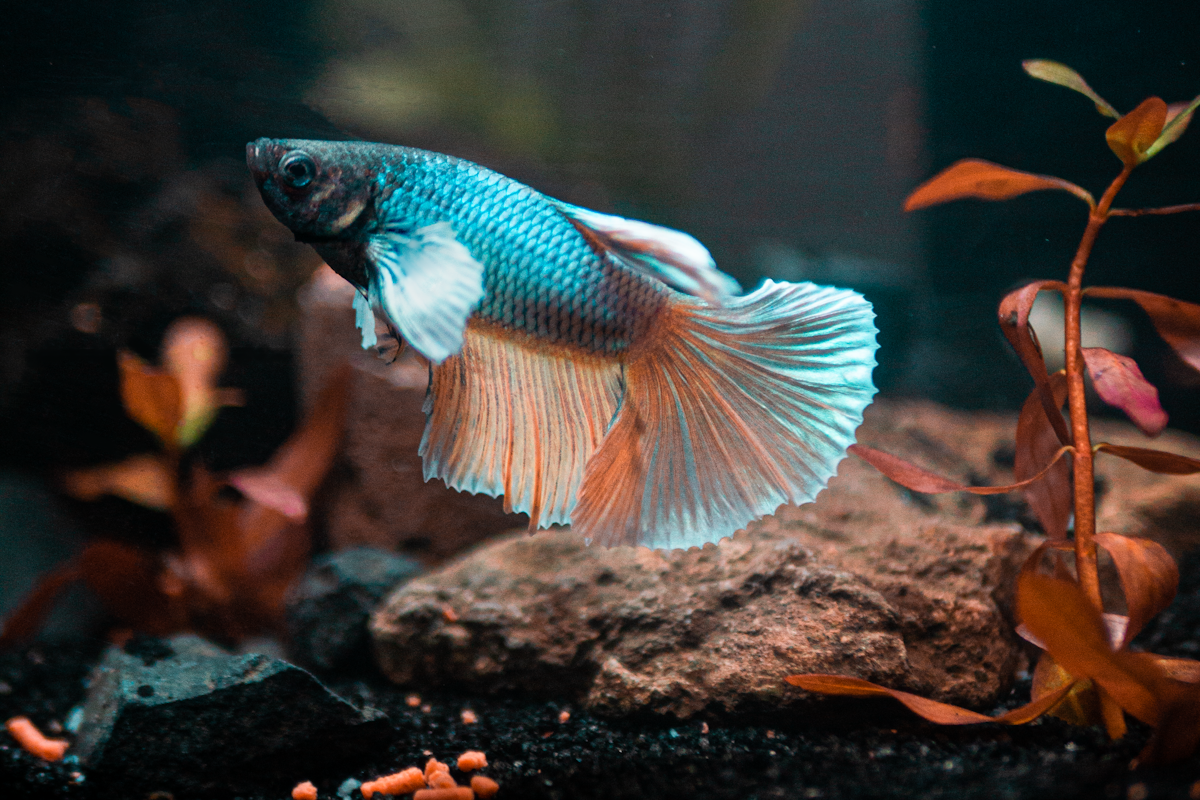
Silently attaching to the delicate respiratory lamellae of freshwater fish, gill flukes of the genus *Dactylogyrus* represent one of the most insidious and rapidly fatal parasitic threats in tropical fishkeeping. Unlike conspicuous external parasites such as Ich (*Ichthyophthirius multifiliis*), which produce obvious white cysts across the body, monogenean gill flukes operate invisibly beneath the protective gill opercula, systematically destroying respiratory tissue while the aquarist remains oblivious to the impending emergency.
Often accompanied by their skin-dwelling relatives (*Gyrodactylus*), monogenean trematodes are armed with a formidable anchor organ called a haptor, bristling with razor-sharp central hooks (*hamuli*) and marginal hooklets. Anchoring deep into delicate respiratory epithelial tissue, these microscopic parasites feed directly on host blood, mucus, and mucosal skin cells, eliciting severe localized hyperplasia and catastrophic oxygen starvation.
Hobbyists frequently misinterpret initial gill fluke distress – rapid opercular pumping, surface piping, and sudden frantic flashing against rocks – as water quality issues or minor ammonia irritation. Performing massive water changes without addressing the underlying parasitic infestation delays treatment, allowing thousands of microscopic fluke eggs to hatch and overwhelm the aquarium population.
Eradicating monogenean flukes permanently requires a clinical understanding of oviparous vs viviparous reproductive mechanics, microscopic differential diagnosis, and precisely timed therapeutic regimens utilizing pharmaceutical Praziquantel.
Trematode Anatomy: Dactylogyrus vs Gyrodactylus Mechanics
Monogenean trematodes affecting freshwater aquariums divide into two major clinical families: *Dactylogyridae* (gill flukes) and *Gyrodactylidae* (skin flukes). Distinguishing between them is vital for designing effective pharmacological treatment schedules.
*Dactylogyrus* species are dedicated gill parasites. Morphologically, adult specimens possess four distinct cephalic lobes and four pigmented photoreceptive eyespots on their anterior snouts. The defining clinical attribute of *Dactylogyrus* is their oviparous (egg-laying) reproductive cycle. A single adult gill fluke produces up to twenty resilient, chitin-coated eggs per day that drop into the substrate. These eggs are completely impervious to chemical medications, meaning treatment must outlast the hatching cycle.
*Gyrodactylus* species reside predominantly on the body flanks and fins. Lacking anterior eyespots, *Gyrodactylus* are viviparous (live-bearing) parasites that possess a bizarre reproductive phenomenon known as polyembryony: a pregnant adult fluke carries a developed embryo inside its uterus, which itself already contains a developing third-generation embryo (resembling Russian nesting dolls). Because *Gyrodactylus* does not lay eggs, a single treatment cycle eliminates the entire population.
Respiratory Pathology: Lamellar Hyperplasia and Suffocation
When *Dactylogyrus* flukes penetrate gill filaments with their chitinous anchors, the fish immune system responds with intense inflammatory hyperplasia: gill cells proliferate abnormally, causing primary lamellae to fuse together into thick, clubbed tissue.
According to veterinary pathology research from the University of Florida IFAS Extension Aquatic Animal Health Program, lamellar fusion dramatically increases the physical diffusion distance between water and blood capillaries, reducing respiratory gas exchange efficiency by up to 80 percent. Even in an aquarium with 100 percent dissolved oxygen saturation, an infected fish literally suffocates, exhibiting rapid gill pumping, clamped fins, and one-sided opercular paralysis (keeping one gill flared open while the other remains clamped shut).
Pharmacological Intervention: The Praziquantel Protocol
The definitive medical treatment for monogenean flukes is Praziquantel, a synthetic pyrazinoisoquinoline anthelmintic. Praziquantel increases the permeability of trematode cell membranes to calcium ions, inducing instantaneous tetanic muscle contraction, paralysis, and detachment from host tissues.
Praziquantel is exceptionally safe for fish, plants, and nitrifying bacteria, exhibiting negligible toxicity even at triple the therapeutic dose. The standard clinical protocol calls for 2.5 mg of pure Praziquantel per liter of water (approximately 9.5 mg per gallon, or standard commercial products like Hikari PraziPro).
Because *Dactylogyrus* eggs are encased in a protective chitinous shell that resists all anthelmintic drugs, a single dose will fail, leading to reinfection within days. Treatment timing must sync with the temperature-dependent egg hatching cycle.
At 78 degrees Fahrenheit (26 degrees Celsius), *Dactylogyrus* eggs hatch into ciliated, free-swimming *oncomiracidia* larvae within three to four days. The master protocol dictates three distinct doses: Day 1 (initial treatment to kill living adults), Day 5 (after a 25 percent water change, to kill newly hatched larvae before they reach sexual maturity), and Day 9 (to eradicate any late-hatching stragglers). This nine-day cycle guarantees total eradication.
Secondary Infection Control and Supportive Resuscitation
Eroded gill tissue and open epidermal puncture wounds left by detached flukes are prime entry portals for lethal secondary bacterial pathogens, principally *Columnaris* (*Flavobacterium columnare*) and *Aeromonas hydrophila*.
During fluke treatment, aquarists must maximize aeration by deploying heavy air stones or Venturi powerheads, as damaged gills cannot extract oxygen from calm water. Adding pure USP-grade non-iodized aquarium salt at a concentration of 1 to 2 grams per liter relieves osmotic pressure, allowing weakened fish to maintain hydration balance while gill tissues regenerate.
Differentiating gill flukes from skin flukes and other external parasites ensures timely medical intervention. Review the clinical diagnostic matrix below.
Gill Flukes vs Skin Flukes vs External Parasite Diagnostic Matrix
| Parasite Category | Target Anatomical Site | Reproductive Strategy | Primary Behavioral Symptom | Required Dosing Cycle |
|---|---|---|---|---|
| Gill Flukes (Dactylogyrus) | Gill lamellae, opercular cavity | Oviparous (Chitin-coated eggs in substrate) | Rapid breathing; one clamped operculum; surface piping | 3 treatments (Days 1, 5, 9) |
| Skin Flukes (Gyrodactylus) | Body flanks, fin rays, peduncle | Viviparous (Live-bearing polyembryony) | Violent body flashing; excess mucus; clamped fins | 1-2 treatments (Single round usually cures) |
| Ich (Ichthyophthirius) | Entire body, fins, gills | Ciliated tomonts encysted in substrate | Pronounced sugar-grain white spots | Formalin/Malachite or 86°F Heat + Salt |
| Epistylis (Ciliate Colony) | Body scales, eyes, fin spines | Asexual binary fission on bacterial film | Raised cottony scabs; cloudy eyes | Antibiotic food (Oxytetracycline) |
| Chilodonella (Protozoan) | Gills and dorsal surface | Direct binary fission; rapid cold spread | Greyish-blue slime coat sheen; severe lethargy | Formalin bath or Acriflavine |
Executing this targeted anthelmintic protocol eliminates gill parasites and saves fish lives. Review the critical care inquiries below.
Frequently Asked Questions About Fish Gill Flukes
Can you see gill flukes with the naked eye?
No, monogenean flukes are microscopic, measuring only 0.3 to 0.8 mm in length. Confirming their presence requires microscopic examination of a gill snip or skin scrape at 40x to 100x magnification.
Why does a single dose of Praziquantel fail to cure gill flukes?
Praziquantel cannot penetrate the tough chitinous shells of *Dactylogyrus* fluke eggs. A single dose kills living adults, but the eggs hatch three to four days later, reinfecting the fish. Three doses spaced across 9 days are required.
Is Praziquantel safe for aquarium plants, shrimp, and snails?
Praziquantel is completely safe for live aquatic plants, nitrifying biological filters, and dwarf freshwater shrimp. However, it can occasionally cause irritation or mortality in delicate ornamental snails (Nerite and Mystery snails).
What does opercular clamping look like?
An infected fish will hold one gill cover (operculum) tightly pressed against its body while flaring the opposite gill open abnormally wide to force water across remaining uninfected lamellae.
Why do fish with gill flukes flash against rocks?
Flukes anchoring their hooks into sensory gill filaments cause intense physical itching and irritation. The fish attempts to scrape the parasites off by darting rapidly against gravel, driftwood, or plant stems.
Does high water temperature speed up the fluke life cycle?
Yes. In warmer water (80 to 82 degrees Fahrenheit), fluke eggs hatch much faster (within 48 to 72 hours). This allows the three-dose Praziquantel protocol to eradicate the population even more quickly.
Can salt dips kill gill flukes?
A concentrated short-term salt bath (15 to 20 grams per liter for 10 to 15 minutes) causes adult flukes to spasm and detach, offering emergency relief. However, it will not kill eggs in the main aquarium.
Do UV sterilizers kill gill flukes?
UV sterilizers kill free-swimming oncomiracidia larvae that pass directly through the sterilizer chamber, but they cannot kill flukes attached to fish or eggs resting on the aquarium substrate.
Why are Discus and Angelfish particularly vulnerable to gill flukes?
Discus and Angelfish have large, vascularized gill structures and are often raised in high-density breeding facilities where flukes spread easily. In juvenile discus, flukes cause stunted growth and permanent gill deformities.
Strategic Conclusion and Parasitic Defense Mastery
Monogenean gill flukes represent a formidable adversary in the freshwater aquarium, capable of devastating prized fish collections while hiding unseen behind opercular plates. Understanding the critical reproductive distinction between egg-laying *Dactylogyrus* and live-bearing *Gyrodactylus* allows the informed aquarist to deploy timed Praziquantel regimens that eradicate every developmental cohort. Backed by vigorous aeration and clinical vigilance, your aquatic sanctuary remains free from invisible respiratory predators.
For more research on aquatic monogenean trematode taxonomy and clinical veterinary therapeutics, consult resources at the University of Florida Aquatic Health Extension, peer-reviewed aquaculture manuals from the Food and Agriculture Organization, and parasite taxonomy archives at the FishBase Consortium.