


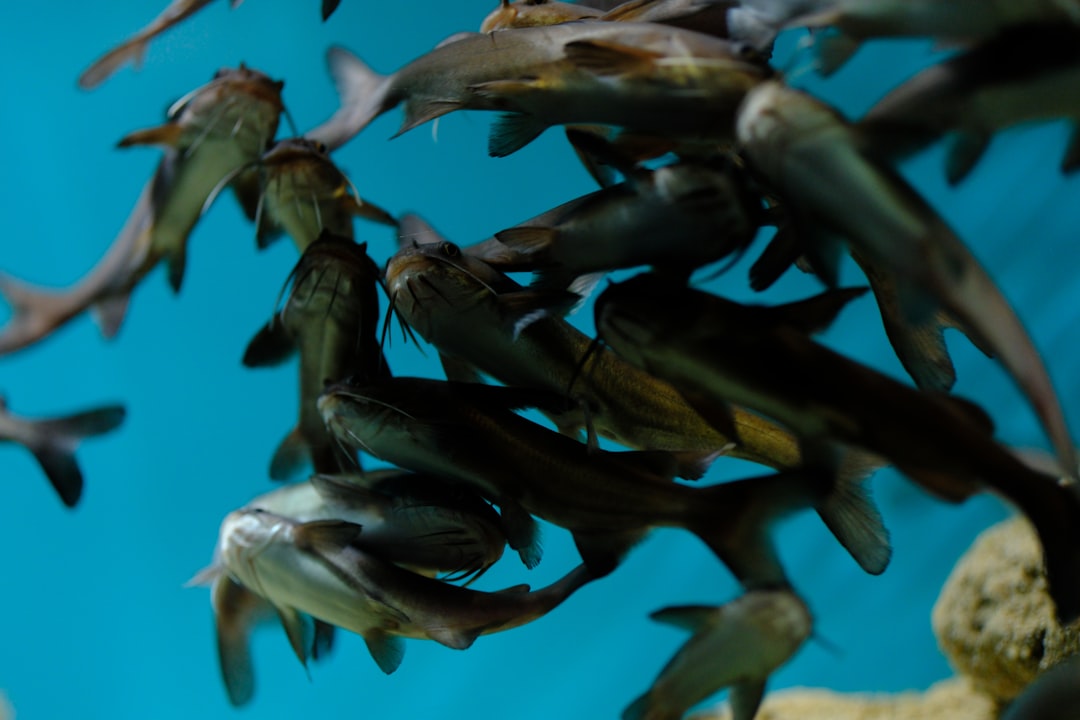
The Ultimate Fish Stocking Guide for Community Aquariums: Expert Rules and Population Limits
Creating a thriving, balanced community aquarium requires far more than simply selecting aesthetically pleasing aquatic species and placing them together in a glass enclosure. Every successful freshwater setup operates as a delicate micro-ecosystem where biological filtration capacity, territorial boundaries, swimming strata preferences, and water parameter tolerances dictate whether aquatic life flourishes or struggles. Many hobbyists encounter sudden tank crashes, aggressive fish behavior, or chronic water quality issues not due to poor maintenance, but rather because of fundamental miscalculations during the initial population planning phase.
Achieving long-term ecological stability demands a methodical approach to evaluating bioload, understanding social dynamics, and respecting the physical limitations of the enclosure. This comprehensive resource explores every technical and practical dimension required to curate a peaceful, biologically sound, and visually captivating community tank. By examining scientific density principles, social temperament classifications, filtration dynamics, and structured compatibility frameworks, aquarists can eliminate guesswork and build enduring aquatic habitats.
Understanding the Biological Load and Filtration Capacity
The foundational rule of any successful aquatic setup relies on balancing the biological load against the processing capacity of the filtration system. Every living organism within the enclosure consumes oxygen and continuously produces waste products, primarily in the form of ammonia through respiration and excretion. Beneficial nitrifying bacteria colonize filter media, substrate, and hardscape surfaces to convert toxic ammonia into nitrites, and subsequently into significantly less harmful nitrates. When the total biological output exceeds the processing capacity of these bacterial colonies, ammonia and nitrite levels spike, creating lethal conditions for aquatic life.
Calculating bioload involves assessing not only the physical size of the adult specimens but also their metabolic rate and waste production characteristics. Active swimmers with high metabolic rates, such as barbs and danios, generate substantially more waste per inch of body mass compared to sedentary bottom-dwellers like certain species of corydoras or loaches. Furthermore, relying exclusively on the outdated rule of thumb allocating one inch of fish per gallon of water leads to severe stocking failures. This simplistic metric ignores physical body depth, filtration turnover rates, oxygen saturation requirements, and the distinct behavioural needs of schooling versus solitary species.
Modern population planning prioritizes surface area gas exchange and effective filtration turnover over raw gallon capacity. A long, shallow tank provides significantly more gas exchange surface area than a tall, narrow aquarium of identical volume, supporting a higher density of active swimmers. Filtration systems should ideally cycle the total water volume of the community tank between four to six times per hour while utilizing a combination of mechanical, biological, and chemical media. Maintaining stable parameters requires monitoring organic debris accumulation, performing routine partial water changes, and ensuring filter flow rates remain uninhibited by detritus buildup.
Water Parameters and Environmental Overlaps
Before introducing any aquatic organisms to a community setup, understanding the chemical signature of the source water and the natural environmental requirements of target species remains essential. Fish species originate from vastly different geographical regions featuring distinct water chemistry profiles, encompassing variations in pH, total dissolved solids, carbonate hardness, and temperature ranges. Forcing soft-water species adapted to acidic, tannin-rich forest streams to live in hard, alkaline tap water induces chronic osmotic stress, suppresses immune function, and significantly shortens lifespan.
Successful community stocking requires curating a selection of species whose natural habitat parameters overlap significantly. Water parameters are generally categorized into three main metrics:
- pH Levels: Ranging from acidic (below 6.5) to neutral (7.0) and alkaline (above 7.5), determining the hydrogen ion concentration affecting osmoregulation.
- General Hardness (GH): Measuring dissolved calcium and magnesium ions, crucial for proper bone and scale development.
- Temperature: Establishing the thermal baseline required to maintain optimal metabolic function, enzyme activity, and disease resistance.
For instance, South American tetras and dwarf cichlids thrive in warmer, soft, slightly acidic water, whereas many African rift lake cichlids require hard, highly alkaline conditions. Mixing these disparate groups in a standard community tank guarantees that at least one group suffers from physiological stress. Researching the exact wild collection localities or captive-bred requirements of each target species ensures that the ambient environment supports the entire population harmoniously without requiring constant chemical adjustments using commercial buffers.
Spatial Zoning and Swimming Strata Optimization
Maximizing the visual appeal and functional harmony of a community aquarium depends on distributing occupants across different vertical zones within the water column. Aquariums feature three distinct swimming strata: the top layer near the water surface, the middle water column, and the bottom substrate region. If an aquarist populates a tank exclusively with middle-dwelling species, the upper and lower sections of the enclosure remain underutilized, creating artificial spatial competition, heightened territorial friction, and an unbalanced aesthetic presentation.
The top stratum accommodates surface-oriented species such as hatchetfish, endure livebearers, and certain smaller gourami varieties that possess superior upward-facing mouths designed to feed on floating insects and debris. These inhabitants rarely venture downward, maintaining their preferred zone near the surface film where aeration and current are often most pronounced. Utilizing this stratum effectively prevents surface stagnation and adds dynamic movement to the upper reaches of the aquatic landscape.
The middle water column serves as the primary zone for active shoaling species, including tetras, rasboras, barbs, and rainbowfish. These fish rely on open swimming lanes to exhibit natural schooling behavior, moving synchronously through the current. Aquascaping choices heavily influence this stratum; incorporating open swimming spaces flanked by dense planted areas or driftwood structures provides security while preserving horizontal swimming routes.
The bottom stratum hosts benthic dwellers, including corydoras catfish, loaches, and freshwater bottom-feeding species. These organisms scour the substrate for leftover food and detritus, utilizing specialized barbels to sift through fine sand or smooth gravel. Because bottom-dwellers occupy a completely different spatial niche from surface and mid-water inhabitants, their inclusion adds biological depth without increasing crowding pressure in the upper zones of the tank.
Social Structures, Temperament, and Schooling Dynamics
Understanding the intricate social hierarchies and behavioral requirements of freshwater fauna prevents aggression outbreaks and severe stress within a community setting. Fish species generally fall into distinct social categories: strict schooling fish, loose shoaling species, territorial semi-aggressive varieties, and solitary specimens. Violating these social requirements by keeping schooling fish individually or combining incompatible temperaments frequently results in fin-nipping, relentless chasing, and eventual fatalities.
Schooling fish, such as neon tetras, harlequin rasboras, and cherry barbs, possess an instinctual survival mechanism requiring them to live in groups of six or more individuals of the same species. Within a proper school, individuals establish a social hierarchy that disperses aggression internally, allowing the group to feel secure. When kept as single specimens or in inadequate numbers, these fish experience chronic stress, often manifesting as faded coloration, hiding behavior, or erratic aggression directed toward completely unrelated tank mates.
Conversely, territorial or semi-aggressive species, such as certain barbs, larger tetras, and dwarf cichlids, require specific spatial boundaries and careful stock selection to prevent dominance disputes. Providing dense visual barriers using live plants, tall driftwood branches, and rock formations breaks line-of-sight across the aquarium floor, allowing subordinate specimens to retreat from dominant territorial holders. Furthermore, maintaining adequate group sizes for semi-aggressive fin-nippers—such as tiger barbs—directs their sparring tendencies inward toward conspecifics rather than peaceful, slow-moving tank inhabitants like angelfish or guppies.
Comprehensive Fish Stocking Comparison Matrix
To assist in planning a balanced community setup, the following matrix outlines common community species categories, their preferred water strata, minimum group requirements, and temperament profiles.
| Species Category | Preferred Water Strata | Minimum Group Size | Temperament Profile |
|---|---|---|---|
| Small Tetras & Rasboras | Middle Column | 6–8 Individuals | Peaceful, active shoaling |
| Corydoras Catfish | Bottom Substrate | 5–6 Individuals | Peaceful, highly social benthic |
| Livebearers (Guppies, Platies) | Top & Middle | 3+ (Ratio biased) | Peaceful, active surface swimmers |
| Dwarf Gouramis | Top & Middle | Pairs or Singles | Semi-aggressive, territorial |
| Loaches (Kuhli, Zebra) | Bottom Substrate | 3–5 Individuals | Peaceful, nocturnal or active |
| Dwarf Cichlids (Apistogramma) | Bottom Substrate | Pairs or Harems | Territorial during breeding |
Evaluating this matrix highlights the importance of multi-tier planning. A well-constructed biotope integrates selections across multiple categories, ensuring that bottom-dwellers, mid-water shoalers, and surface occupants coexist without competing for the same physical territory or food sources.
Step-by-Step Population Planning Framework
Executing a flawless stocking plan requires a methodical, phased approach that respects the biological maturation timeline of a newly established aquatic environment. Introducing an entire stock list simultaneously into a newly cycled aquarium overwhelms the limited bacterial colonies, triggering a severe ammonia spike that can destroy the entire ecosystem. Establishing stability requires a calculated progression that allows filtration bacteria to expand proportionally alongside the growing bioload.
The primary phase of population implementation involves stocking the hardiest, most resilient bottom-dwellers or cleanup crew members once the nitrogen cycle is fully confirmed via water testing. These foundational species test the biological stability of the system under minimal load. Following a stabilization period of two to three weeks, aquarists can introduce the core mid-water schooling species in a single batch rather than adding individual fish incrementally over months, which often incites territorial disputes in established setups.
The final phase involves introducing apex display specimens or surface dwellers, such as centerpiece gouramis or peaceful cichlids, once the established schooling fish have claimed their preferred territories. Monitoring water parameters every 48 hours following each introduction phase ensures that biological filtration capacity scales efficiently. If ammonia or nitrite levels register above zero during any phase, immediate partial water changes and a temporary halt to further additions are mandatory to protect the aquatic inhabitants.
Frequently Asked Questions
How long must an aquarium cycle before adding fish?
An unplanted, fishless aquarium typically requires between four to six weeks to establish robust colonies of nitrifying bacteria capable of processing fish waste. The cycle is complete only when added ammonia is fully converted into nitrates within 24 hours, with zero reading for both ammonia and nitrite.
Can different species of schooling fish form a single unified school?
No, fish instinctively recognize conspecifics through visual markers, color patterns, and chemical cues. While two distinct species of tetra may swim near one another in proximity, they do not integrate into a single biological school, meaning each individual species must still meet its minimum group size requirement.
What causes fish to jump out of a community tank?
Jumping behavior is frequently triggered by poor water quality, sudden parameter shifts, predatory harassment from aggressive tank mates, or natural escaping instincts inherent to surface-dwelling species like hatchetfish. Maintaining a tight-fitting aquarium lid is essential for preventing accidental losses across all open-top community setups.
How often should partial water changes be performed in a stocked community tank?
Standard maintenance protocols dictate performing a 20 to 30 percent partial water change every week to replenish essential minerals, remove accumulated organic waste, and maintain low nitrate concentrations. Heavy stocking densities or high feeding regimens may necessitate more frequent or larger volume water exchanges.
Why are my bottom-dwelling fish swimming frantically up and down the glass?
Vertical glass-surfing behavior in bottom-dwellers usually indicates underlying water chemistry issues, such as elevated ammonia or nitrite levels, insufficient dissolved oxygen, or sudden temperature fluctuations. Immediate water parameter testing and subsequent corrective water changes resolve this stress response.
Conclusion
Mastering the complexities of population planning transforms an ordinary glass box into a thriving, self-sustaining aquatic ecosystem that mirrors natural freshwater habitats. Achieving long-term success relies on maintaining a rigorous respect for biological filtration limits, environmental parameter overlaps, spatial zoning, and social structures. By approaching community aquarium curation with scientific precision and careful observation, hobbyists cultivate vibrant, peaceful environments where diverse aquatic species thrive together for years. Continued monitoring, disciplined maintenance routines, and thoughtful stock selection remain the cornerstones of responsible and rewarding fishkeeping.
Featured Image Credit: Generated/Sourced via Unsplash.
Disclaimer: This article is AI-generated for informational and educational purposes. While we strive to provide high-quality context and authority, the content should not be used as professional advice. The author/website assumes no liability for external links or factual omissions.