

Introduction to Freshwater Fishkeeping
Freshwater fishkeeping stands as one of the most rewarding aquatic hobbies available today, offering a slice of a living ecosystem right inside a home or office. Setting up a glass enclosure filled with vibrant aquatic life requires more than just filling a container with tap water and adding a few swimming animals. Establishing a thriving underwater environment depends heavily on understanding biology, chemistry, and continuous biological filtration. Beginners frequently make the mistake of rushing the setup process, which disrupts the delicate balance needed to sustain aquatic organisms. Approaching the hobby with patience and a solid understanding of fundamental principles ensures that the aquatic environment remains stable, healthy, and visually appealing over the long term.
Understanding the Aquatic Ecosystem
Every successful glass enclosure functions as a miniature replica of a natural freshwater habitat found in rivers, lakes, or streams. Water chemistry plays a pivotal role in maintaining the health of the inhabitants, requiring aquarists to monitor pH levels, total hardness, and carbonate hardness regularly. Temperature regulation also dictates metabolic rates and immune system functions in aquatic species. Maintaining stable parameters prevents stress, which remains the primary cause of disease outbreaks among freshwater species. Achieving this stability involves balancing the bioload—the total amount of waste produced by the fish and other organisms—with the capacity of the biological filtration system.
The Nitrogen Cycle and Tank Cycling
Before introducing any living specimens into a newly assembled aquatic setup, the system must undergo a biological process known as the nitrogen cycle. This process establishes beneficial nitrifying bacteria that convert toxic ammonia, excreted by fish waste and decaying matter, into less harmful nitrites, and subsequently into nitrates.
| Stage of Nitrogen Cycle | Chemical Compound | Toxicity Level | Primary Action |
|---|---|---|---|
| Phase 1 | Ammonia ($NH3$/$NH4^+$) | Extremely High | Excreted by fish and decaying organic waste |
| Phase 2 | Nitrite ($NO_2^-$) | High | Converted from ammonia by Nitrosomonas bacteria |
| Phase 3 | Nitrate ($NO_3^-$) | Low (Safe in moderation) | Converted from nitrite by Nitrobacter bacteria |
Understanding this cycle prevents “new tank syndrome,” a common phenomenon where high ammonia and nitrite concentrations prove fatal to newly introduced aquatic life. Fishless cycling remains the most humane and effective method for establishing these bacterial colonies by adding pure ammonia sources manually over several weeks.
Essential Equipment and Hardware Selection
Selecting the right hardware forms the foundation of a successful freshwater environment. A complete setup requires a sturdy aquarium stand, a glass or acrylic tank, a reliable filtration system, a submersible aquarium heater, and adequate illumination. Filtration systems generally fall into three categories: hang-on-back filters, canister filters, and sponge filters, each offering unique benefits depending on the tank size and bioload. Heaters must be properly sized for the water volume, maintaining a consistent temperature range tailored to the specific tropical or cold-water species being housed. Illumination serves a dual purpose, highlighting the visual beauty of the inhabitants while providing the necessary light spectrum for live aquatic plants to undergo photosynthesis.
Selecting Compatible Freshwater Species
Stocking an aquarium requires careful consideration of adult fish size, temperament, and water parameter requirements. Combining aggressive territorial species with peaceful schooling fish inevitably leads to stress, fin nipping, and mortality. Popular beginner species include hardier community fish such as tetras, corydoras catfish, and livebearers like guppies or platies.
[Aquarium Setup]
       │
       ├──> Water Parameters (pH, Temp, Hardness)
       ├──> Biological Filtration (The Nitrogen Cycle)
       └──> Livestock Selection (Compatible Temperament & Bioload)
Quarantining new arrivals before adding them to the primary display tank prevents the introduction of parasites, bacteria, and fungal infections that can wipe out an established community.
Aquascaping and Substrate Options
Aquascaping combines artistic design with biological functionality, transforming a bare glass box into a naturalistic underwater landscape. Substrate selection depends heavily on the intended flora and fauna; inert gravel works well for basic setups, while nutrient-rich planted substrates provide essential root nutrition for demanding aquatic plants. Driftwood, rocks, and caves offer essential hiding spots and visual boundaries, reducing territorial aggression among bottom-dwellers and mid-water swimmers. Incorporating live plants not only enhances the aesthetic appeal but also contributes to water purification by absorbing nitrates and releasing oxygen during daylight hours.
Routine Maintenance and Water Changes
Consistent maintenance remains the single most important factor in preventing long-term aquatic health issues. Performing routine partial water changes—typically twenty to thirty percent weekly—dilutes accumulated nitrates, replenishes essential trace minerals, and removes organic pollutants. Siphoning the substrate during water changes eliminates leftover food debris and fish waste trapped between gravel particles. Filter media maintenance requires rinsing filter sponges in old tank water rather than chlorinated tap water to preserve beneficial bacterial colonies. Regular testing using liquid reagent kits ensures that water chemistry parameters remain within safe, predictable limits.
Frequently Asked Questions
How long does it take to cycle a new aquarium?
The cycling process typically takes between four to six weeks depending on water temperature, bacterial inoculation methods, and ammonia concentrations.
How often should aquarium water be changed?
Performing a twenty to thirty percent water change every week maintains low nitrate levels and keeps the aquatic environment stable.
Can different fish species be kept together without conflict?
Compatibility depends on researching the specific temperament, water parameter requirements, and adult size of each species before combining them in a community setup.
Do all freshwater tanks require a heater?
Tropical species require a reliable submersible heater to maintain stable temperatures, whereas cold-water species like goldfish thrive at lower, ambient room temperatures.
What causes cloudy water in a new setup?
Cloudy water in a newly established tank is usually caused by a bacterial bloom during the nitrogen cycle or floating micro-particles from unwashed substrate.
Conclusion
Mastering freshwater fishkeeping requires patience, continuous learning, and a proactive approach to maintaining water quality and biological stability. By understanding the nitrogen cycle, selecting compatible species, investing in reliable filtration hardware, and committing to routine maintenance, aquarists can create thriving ecosystems that endure for years. Treating the aquarium as a living, breathing biological entity rather than mere home decor ensures the long-term health and vitality of every aquatic organism residing within it.
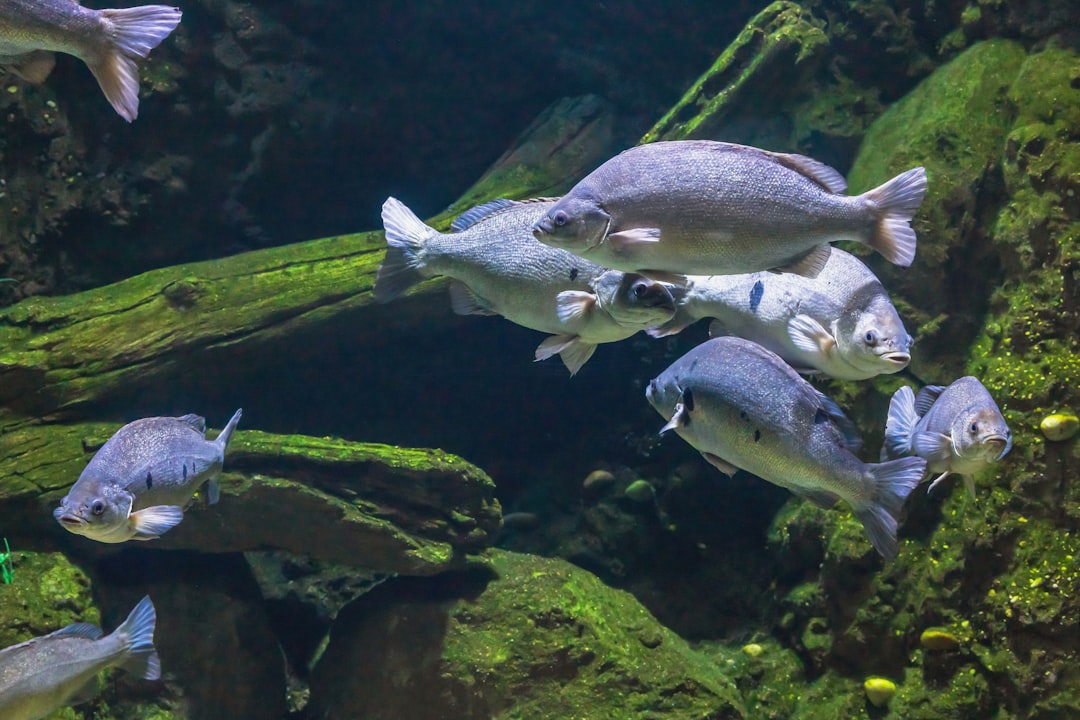
Featured Image Credit: Generated/Sourced via Unsplash.
Disclaimer: This article is AI-generated for informational and educational purposes. While we strive to provide high-quality context and authority, the content should not be used as professional advice. The author/website assumes no liability for external links or factual omissions.