

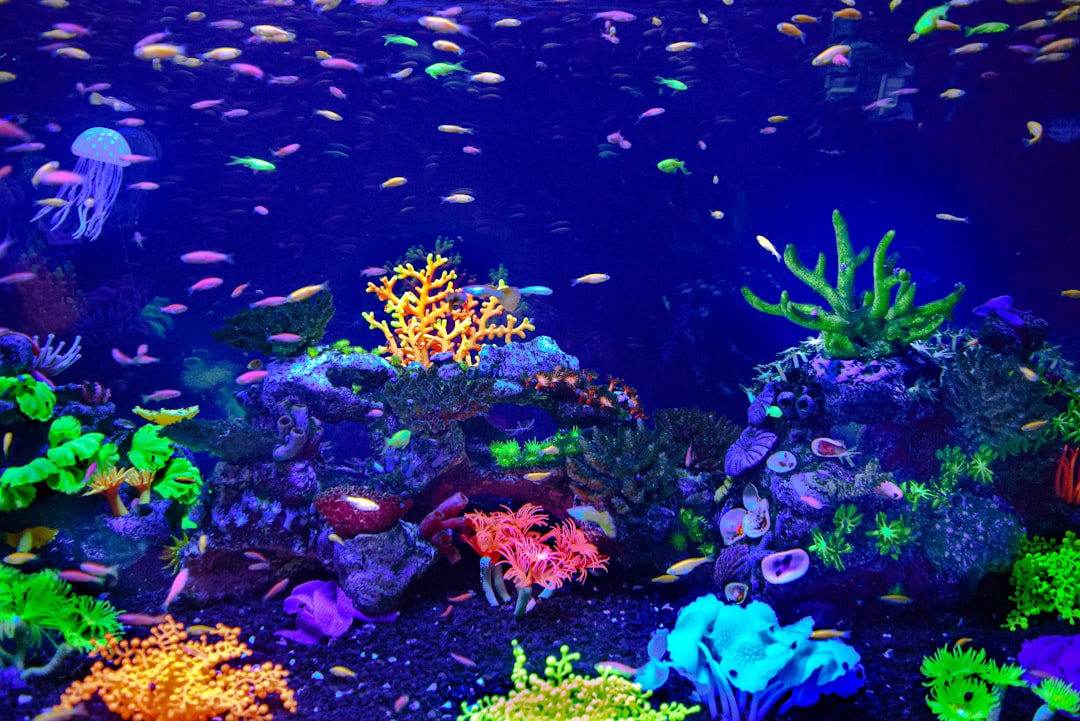
The fascination of keeping an aquarium often begins with a vibrant display of colorful fish, lush aquatic plants, and crystal-clear water. However, transforming a glass box into a thriving aquatic ecosystem requires consistent care and observation. Many beginners assume that once a tank is set up and cycled, it becomes a self-sustaining miniature world. In reality, biological processes continuously produce waste, and minerals gradually deplete over time. Implementing a structured routine is the most effective way to prevent common water quality crashes, algae outbreaks, and fish illnesses. Adhering to a weekly aquarium maintenance checklist for beginners ensures that minor issues are addressed before they escalate into major problems, protecting both livestock and financial investments in aquatic equipment.
Understanding the Nitrogen Cycle and Water Chemistry
Maintaining a healthy aquatic environment starts with a fundamental grasp of biological filtration. Beneficial bacteria colonize the filter media, substrate, and decorations, converting toxic ammonia excreted by fish into nitrites, and subsequently into less harmful nitrates. Disrupting this delicate biological balance can cause severe stress to aquatic life. Testing water parameters weekly provides a clear diagnostic view of how the ecosystem is functioning. Monitoring pH levels, ammonia, nitrites, and nitrates helps identify whether the filtration system is operating efficiently or if the bioload exceeds the capacity of the current setup. Consistent monitoring prevents sudden chemical shifts that often trigger fatal shock in sensitive fish species.
The Essential Weekly Aquarium Maintenance Checklist
A systematic approach to tank upkeep saves time and reduces stress for both the aquarist and the fish. Breaking down tasks into manageable steps prevents oversight and ensures every critical component of the habitat receives attention.
- Observe fish behavior, swimming patterns, and physical appearance for early signs of disease.
- Check all technical equipment, including heaters, filters, air pumps, and lighting timers, to verify proper operation.
- Scrape interior glass surfaces to remove microscopic algae films before they accumulate.
- Perform a targeted partial water replacement to dilute accumulated organic compounds and replenish essential minerals.
- Rinse mechanical filter sponges in old tank water to clear trapped debris without destroying beneficial bacteria populations.
Visual Inspection of Livestock and Equipment
Daily observation paired with weekly documentation forms the backbone of proactive fishkeeping. Healthy fish exhibit active swimming behavior, intact fins, clear eyes, and enthusiastic feeding responses. Clamped fins, heavy breathing, faded coloration, or erratic swimming patterns often serve as the earliest indicators of poor water quality or underlying pathogen presence. Simultaneously, technical inspections prevent mechanical failures. Heaters can crack or malfunction, leading to dangerous temperature swings. Filter impellers can become clogged with plant matter or snail shells, reducing water flow and oxygenation. Verifying the physical integrity of all hardware during routine checks safeguards against catastrophic equipment breakdowns.
Managing Algae and Surface Film
Algae growth is a natural phenomenon in any illuminated aquatic environment, but uncontrolled proliferation indicates an imbalance in lighting duration, nutrient levels, or carbon dioxide availability. Green spot algae, brown diatom films, and hair algae frequently challenge new hobbyists. Weekly manual removal using specialized aquarium scrapers, razor blades for glass, or cleaning pads prevents stubborn buildup. Additionally, checking the water surface for an oily protein film is essential. Bio-films restrict essential gas exchange at the air-water interface. Adjusting filter output nozzles to create surface agitation or utilizing a surface skimmer effectively eliminates this unsightly and potentially suffocating layer.
Executing a Successful Partial Water Change
Replacing a portion of the water volume is the single most impactful maintenance task in freshwater fishkeeping. Tap water contains dissolved minerals and trace elements that gradually deplete as plants consume them and biological filtration processes utilize carbonates. Furthermore, evaporation leaves behind minerals, increasing overall water hardness, while organic waste breaks down into nitrates that accumulate continuously.
A standard procedure involves draining twenty to thirty percent of the total volume using a gravel siphon. This tool simultaneously extracts accumulated fish waste, uneaten food, and decaying plant matter trapped in the substrate. Before adding replacement water, treating tap water with a dedicated chemical conditioner is mandatory to neutralize toxic chlorine and chloramines used in municipal water treatment plants. Matching the temperature and pH of the new water to the existing tank environment prevents thermal shock and osmotic stress in livestock.
Filter Maintenance and Beneficial Bacteria Preservation
The filtration system acts as the lungs and kidneys of the enclosed ecosystem. Mechanical, biological, and chemical media work in tandem to keep the water polished and safe. However, mechanical media catches large detritus particles that decompose and foul the water if left unaddressed. Rinsing filter sponges, floss, or ceramic pre-filters during the weekly routine removes this detritus.
Crucially, filter media should never be rinsed under untreated tap water, as the residual chlorine and chloramines will instantly sterilize the biological bed, destroying the nitrifying bacteria colonies. Instead, media must be gently squeezed and swished in a bucket containing water siphoned directly from the aquarium during the partial water change. This preserves the sensitive bacterial populations while successfully clearing physical blockages.
Comparative Overview of Maintenance Frequency
| Task Type | Recommended Frequency | Primary Objective | Impact on Ecosystem |
|---|---|---|---|
| Water Parameter Testing | Weekly | Monitor chemical stability | Detects hidden spikes in ammonia, nitrite, or nitrate |
| Partial Water Change | Weekly | Remove toxins and replenish minerals | Lowers nitrate concentrations and stabilizes pH |
| Glass Scraping | Weekly | Maintain aesthetic clarity | Removes algae spores before heavy colonization |
| Filter Media Rinse | Bi-Weekly / Monthly | Maintain optimal water flow | Prevents mechanical clogs and preserves beneficial bacteria |
| Substrate Vacuuming | Weekly | Extract decomposing waste | Eliminates organic pockets and prevents toxic gas buildup |
Frequently Asked Questions
How long does a weekly aquarium maintenance session take?
For a standard twenty-to-forty-gallon freshwater setup, a thorough weekly maintenance session typically requires between thirty to forty-five minutes once the routine becomes familiar. Efficiency improves as aquarists master the use of siphons and water testing kits.
Is it necessary to remove fish from the tank during water changes?
Removing fish from the aquarium during routine maintenance is strongly discouraged. Catching fish with a net causes extreme stress, physical injury to delicate fins, and unnecessary panic. Livestock can safely remain in the habitat provided water movements from the siphon are controlled and replacement water parameters match closely.
Why is my tap water unsafe for fish directly from the tap?
Municipal water treatment facilities add chlorine and chloramines to disinfect drinking water for human consumption. While harmless to humans, these chemical disinfectants are toxic to fish gills and instantly destroy the beneficial bacterial colonies responsible for processing fish waste. Always use a reliable water conditioner.
Can I wash my aquarium decorations under tap water?
Plastic decorations, driftwood, and rocks can be rinsed under tap water during deep cleaning sessions if they become heavily coated in algae. However, biological filter media must strictly avoid untreated tap water to protect the nitrogen cycle.
Conclusion
Maintaining an artificial aquatic habitat requires dedication, consistency, and a methodical approach to routine care. Embracing a weekly aquarium maintenance checklist for beginners transforms what might seem like an overwhelming chore into a predictable, manageable habit. By systematically observing livestock health, verifying technical equipment integrity, managing algae growth, and executing precise partial water changes, aquarists establish a stable foundation for long-term success. A well-maintained tank rewards the caretaker with vibrant, active fish, lush plant growth, and a serene, crystal-clear aquatic display that enhances any living space for years to come.
Featured Image Credit: Generated/Sourced via Unsplash.
Disclaimer: This article is AI-generated for informational and educational purposes. While we strive to provide high-quality context and authority, the content should not be used as professional advice. The author/website assumes no liability for external links or factual omissions.