


Introduction
Achieving a pristine, transparent aquatic environment is the ultimate goal for many hobbyists, yet navigating the complexities of water quality can often feel overwhelming. When learning how to keep aquarium water crystal clear naturally, the primary focus must shift toward establishing biological harmony rather than relying on synthetic water clarifiers. Murky, green, or cloudy water typically indicates an imbalance within the closed ecosystem, often driven by excess nutrients, decaying organic matter, or bacterial blooms. Experienced aquarists understand that true clarity stems from supporting beneficial microorganisms, optimizing filtration pathways, and integrating natural elements that consume waste before it degrades water aesthetics. By mimicking natural aquatic habitats found in rivers and lakes, tank owners can cultivate a self-sustaining environment that remains transparent year-round without the constant addition of bottled chemical solutions. This guide explores scientifically backed, eco-friendly strategies designed to address the root causes of discoloration and particulate suspension, ensuring a thriving, visually stunning underwater landscape.
Understanding the Root Causes of Cloudiness
Before implementing corrective measures, identifying the specific type of turbidity present in the tank is essential for effective intervention. Water discoloration generally falls into three distinct categories: bacterial blooms, green water algae, and fine particulate suspension. Bacterial blooms frequently occur in newly established setups experiencing the nitrogen cycle, where heterotrophic bacteria multiply rapidly in response to an abundance of dissolved organic carbon. Conversely, green water is caused by microscopic free-swimming phytoplankton proliferating due to excessive light exposure and high nitrate or phosphate levels. Particulate cloudiness often results from unwashed substrate, pulverized fish waste, or decor leaching tannins into the water column. Analyzing these underlying triggers allows aquarists to apply targeted, natural remedies rather than guessing which treatment might work. Recognizing that clarity is a byproduct of biological stability rather than sterile filtration changes the entire maintenance approach.
Harnessing the Power of Live Aquatic Plants
Integrating live vegetation is one of the most effective organic strategies for maintaining pristine aquatic conditions. Fast-growing stem species, such as Hornwort, Egeria densa, and floating plants like Frogbit, rapidly consume nitrogenous waste, ammonia, and phosphates directly from the water column, starving potential algae of necessary nutrients. Furthermore, these botanical additions release oxygen during daylight hours, supporting the aerobic bacteria responsible for breaking down fish waste. Root feeders like Cryptocoryne and sword plants utilize excess nutrients trapped within the substrate, preventing detritus buildup from leaching back into the open water. Establishing a dense planted zone creates natural competition that inhibits the growth of unicellular algae and suppresses suspended organic debris. Selecting robust, adaptable vegetation ensures a resilient barrier against sudden water quality fluctuations.
Optimizing Biological Filtration and Beneficial Bacteria
The foundation of any transparent aquatic habitat relies on a robust colony of nitrifying bacteria. These microscopic organisms colonize filter media, substrate, and decor, converting toxic ammonia into nitrites and subsequently into relatively harmless nitrates. Enhancing this biological capacity without chemical additives involves selecting porous media types, such as sintered glass rings, ceramic bio-balls, or expanded clay, which provide vast surface area for bacterial colonization. Regular rinsing of filter media in harvested tank water—rather than chlorinated tap water—protects these sensitive colonies from destruction. Additionally, introducing organic enzyme boosters or pure nitrifying bacterial cultures during routine maintenance accelerates waste breakdown. A well-optimized biological filter acts as an invisible engine, constantly neutralizing suspended matter before it can discolor the water column.
Managing Feeding Habits and Organic Waste
Excess nutrient input remains the single largest contributor to persistent water cloudiness in home aquariums. Overfeeding leads to uneaten food settling into the substrate, where it decomposes and fuels bacterial and algal proliferation. Establishing a strict feeding schedule where fish consume all offered food within two minutes significantly reduces organic loading. Incorporating bottom-dwelling scavengers or detritivores, such as certain snail species or freshwater shrimp, helps process fallen debris before it breaks down into microscopic particles. Routine maintenance must include strategic gravel vacuuming to extract accumulated fish waste and decaying plant matter from hard-to-reach areas. Controlling what enters the ecosystem minimizes the workload required by filtration systems to maintain transparency.
Natural Water Clarifiers and Coagulants
When fine particulate matter refuses to settle, certain traditional, eco-friendly substances can safely agglomerate debris for easier filtration removal. For instance, Indian Almond leaves or other botanical botanicals release mild tannins that not only provide anti-fungal benefits for livestock but can also weigh down microscopic floating dust particles when combined with appropriate mechanical media. However, relying on natural flocculants requires careful monitoring to prevent sudden pH shifts. Employing fine filter floss or specialized nano-micron filter pads acts as a physical barrier that traps microscopic debris without introducing synthetic polymers. Balancing mechanical trapping with biological digestion ensures that particulate matter is permanently removed rather than temporarily masked.
Comparative Overview of Natural Clarification Methods
| Method | Primary Mechanism | Pros | Cons |
|---|---|---|---|
| Live Aquatic Plants | Nutrient competition and oxygenation | Consumes nitrates, enhances aesthetics, stabilizes parameters | Requires adequate lighting and occasional pruning |
| Bacterial Supplementation | Biological waste breakdown | Safe for all livestock, targets root causes of cloudiness | Requires established biological media to thrive |
| Feeding Regulation | Prevention of organic overload | Cost-effective, improves fish health | Requires strict daily discipline |
| Mechanical Filter Floss | Physical particulate trapping | Immediate visual improvement | Requires frequent manual cleaning or replacement |
Frequently Asked Questions
Why does my tank water look milky white after a water change?
Milky white water typically indicates a bacterial bloom caused by a disruption in the biological equilibrium. This often happens when filter media is rinsed in chlorinated tap water, killing beneficial bacteria and causing a temporary population spike in heterotrophic bacteria.
Can live plants completely eliminate green water?
While live plants significantly reduce the likelihood of green water by outcompeting algae for nutrients and light, a severe infestation may still require temporary interventions such as blackouts, UV sterilization, or specialized mechanical diatom filters alongside plant introduction.
How often should filter media be cleaned to maintain clarity?
Filter media should be rinsed gently every two to four weeks using water siphoned directly from the aquarium during routine water changes. Never use tap water, as chlorine and chloramines will destroy the beneficial bacteria essential for water purification.
Are chemical water clarifiers harmful to fish?
Most commercial chemical flocculants are generally safe when used according to manufacturer instructions, but they do not address the root cause of cloudiness and can temporarily stress sensitive aquatic species or damage delicate plant leaves.
Conclusion
Mastering how to keep aquarium water crystal clear naturally requires a shift away from quick-fix chemical treatments and toward cultivating a balanced, self-sustaining ecosystem. By prioritizing dense live planting, nurturing robust colonies of beneficial bacteria, carefully managing feeding routines, and utilizing effective mechanical filtration, aquarists can achieve long-term visual clarity. Each component of the aquatic habitat works in tandem, where biological processes naturally neutralize waste before it impacts aesthetics. Implementing these sustainable practices not only results in a pristine viewing experience but also promotes the health, longevity, and vitality of all inhabitants within the aquarium.
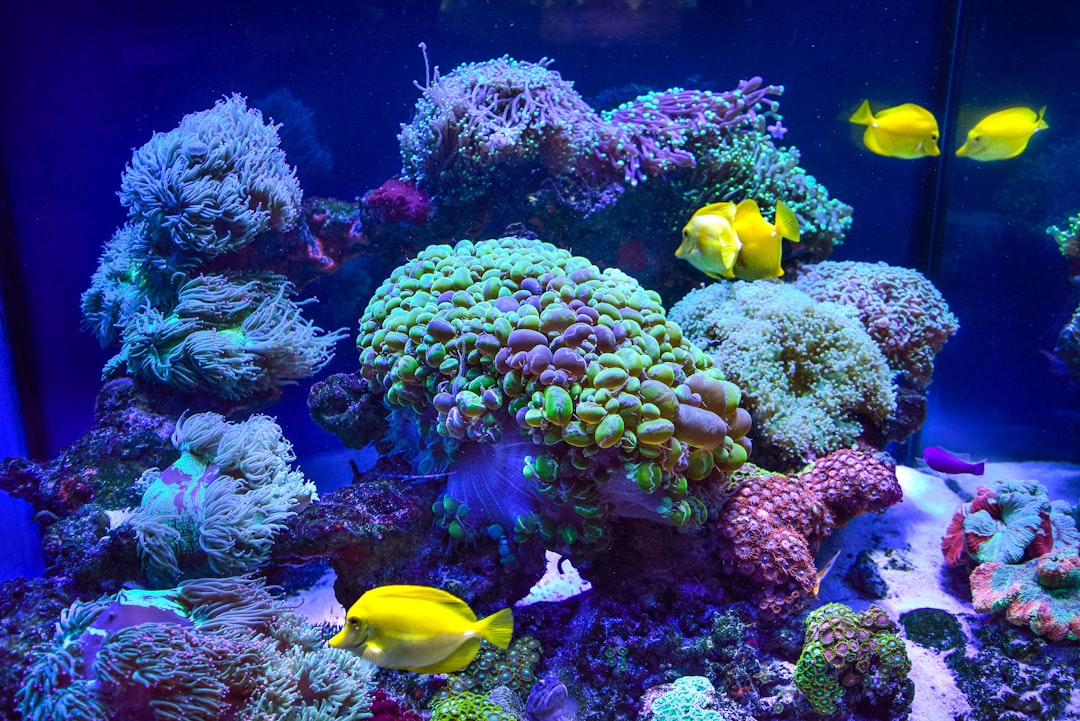
Featured Image Credit: Generated/Sourced via Unsplash.
Disclaimer: This article is AI-generated for informational and educational purposes. While we strive to provide high-quality context and authority, the content should not be used as professional advice. The author/website assumes no liability for external links or factual omissions.